How to install a 100% renewable energy heating system at home?
5 min read
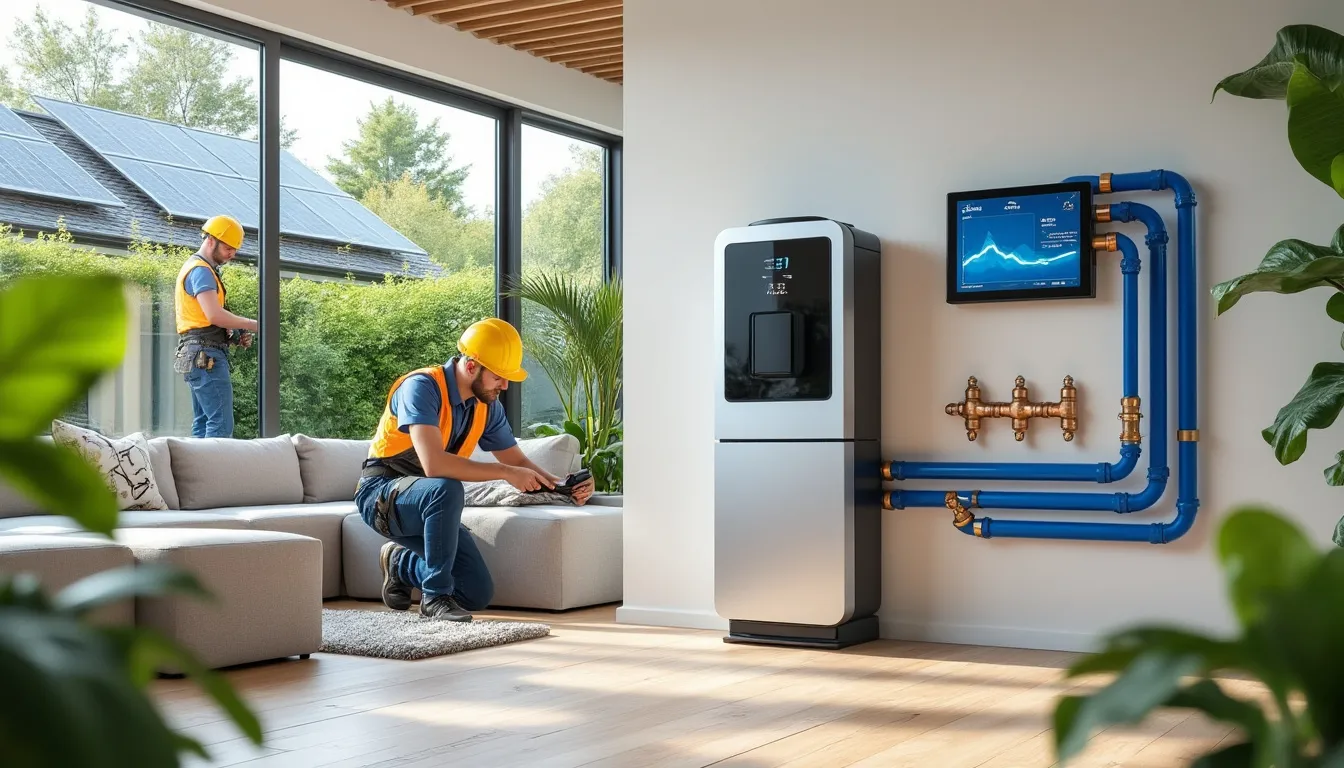
In an era where environmental issues are taking center stage, it becomes essential for each of us to consider sustainable heating solutions. Installing a 100% renewable energy heating system in our homes is not just a trend; it's an urgent need. With technological advancements and various options available on the market, it is now possible to make our homes more environmentally friendly while ensuring optimal comfort.
In this article, we will explore the different methods of installing renewable heating systems, discuss the associated benefits, examine available financial aids, and offer practical advice to optimize the performance of your heating system. Whether you are a homeowner looking to renovate or a new owner, this article will provide valuable information to help you make informed decisions.
Choosing Renewable Heating Technologies
The first step in installing a 100% renewable heating system is to understand the different technologies available. This includes options such as heat pumps, biomass boilers, and solar water heaters. Each technology has its specifics and is suited to different types of homes and needs.
Heat Pumps (HP): These devices use the thermal energy present in the air, water, or ground to heat your interior. Reputable brands like VAILLANT, Bosch, and Stiebel Eltron offer high-performance models suited to modern requirements.
Biomass Boilers: They operate using organic fuels such as wood pellets. Brands like Ferroli and Chaffoteaux provide efficient biomass boilers.
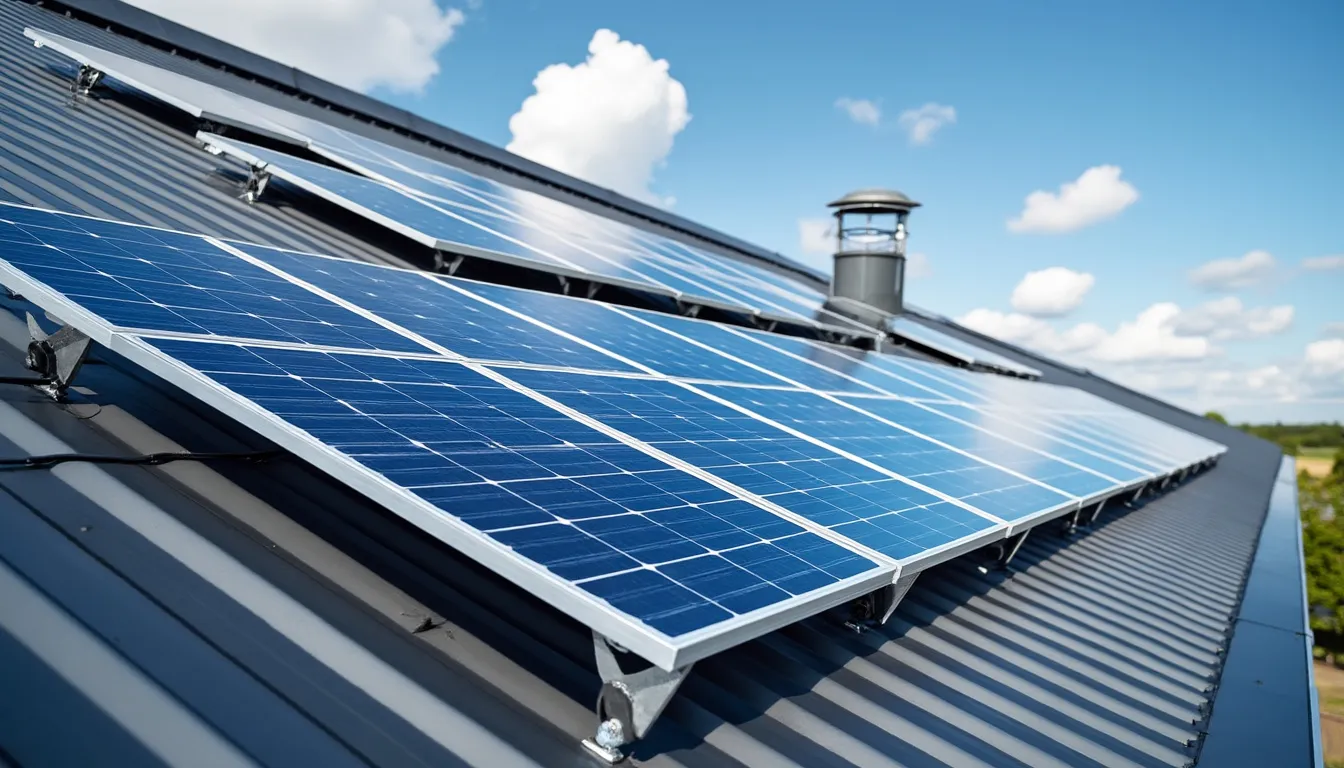
Solar Water Heaters: These systems use solar energy to heat water. Products from Atlantic and De Dietrich are good examples of available installations.
Installation of Heat Pumps
Heat pumps have become very popular due to their efficiency and low energy consumption. There are several types: air-source, ground-source, and water-source.
Air-source: These heat pumps draw energy from the air. They are often used for heating and domestic hot water installations.
Ground-source: These systems require drilling to access the heat from the ground, providing stable performance even in winter.
Water-source: Known for their ability to take advantage of groundwater temperatures, they are ideal in certain specific regions.
It’s important to note that installing a heat pump may require technical skills. It is recommended to hire a qualified professional like me, Paul Leclerc, to ensure a compliant installation.
Installation of Biomass Boilers and Their Benefits
Biomass boilers, on the other hand, represent an interesting alternative solution. They work by burning organic materials, which helps reduce our dependence on fossil fuels.
Here are some advantages of biomass boilers:
Advantage | Details |
|---|---|
Ecological | Uses renewable resources. |
Reduced operating costs | The price of pellets is often lower than that of heating oil or gas. |
Available financial aids | Subsidies exist to reduce installation costs. |
Financial Aids for Installing Renewable Heating Systems
Investing in a renewable heating system may seem expensive at first. Fortunately, many financial aids are available to encourage this transition to greener energy.
Tax Credit for Energy Transition (CITE): Allows you to benefit from a tax credit for the expenses incurred.
Zero-interest Eco-loan: Facilitates financing for renovations without any interest.
Local Subsidies: Some communities offer specific assistance for energy renovations.
To maximize these aids, it is advisable to consult the platforms in your region or the government websites dedicated to energy savings.
Practical Tips for Optimizing Your Heating System
Once installed, it is essential to optimize the operation of your heating system to ensure its efficiency.
Regular Maintenance: Schedule maintenance visits every year to ensure the system operates correctly.
Programming Your Thermostat: Use smart thermostats, such as those from Dimplex or Qivivo, to better manage your energy consumption.
Insulating Your Home: Improve insulation to retain heat inside, which will reduce your energy consumption.
By incorporating these strategies, you can not only enjoy optimal comfort but also contribute to environmental preservation. Another key element to consider is home automation systems, such as those offered by SFR. With solutions like the Heating Energy Pack, it is now possible to manage heating remotely and anticipate any excessive consumption.
Home Automation Systems and Smart Heating
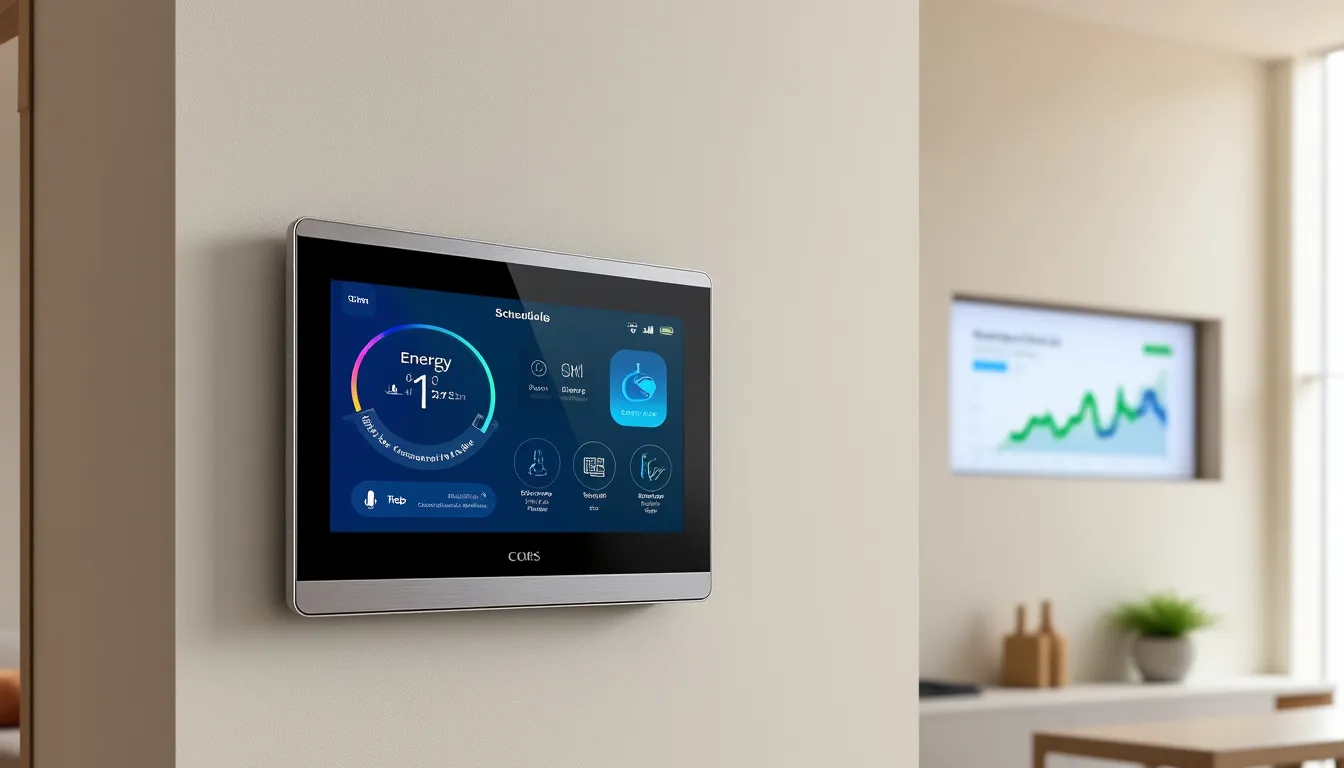
Using smart technologies to manage your heating can significantly reduce your energy bills. For example, platforms like Home by SFR allow you to remotely program your electric radiators using an app on your smartphone.
Modern systems often include:
Temperature Sensors: For precise regulation of the temperature in your home.
Energy Usage Alert: These devices alert you in case of anomalies in your consumption.
Customized Programming: You can adjust heating according to your schedule and preferences.
By adopting these smart heating systems, especially those from brands like Huntec, you ensure not only maximum comfort but also reduced energy consumption, thereby lessening your carbon footprint.
FAQ - Frequently Asked Questions About Installing Renewable Heating Systems
1. What are the installation costs for a renewable heating system?
Costs vary depending on the technology chosen and the specifics of your installation. Generally, expect to spend between 5,000 and 20,000 euros for an efficient heating system, considering available financial aids.
2. Is it possible to replace an old heating system with a renewable system?
Yes, most conventional systems can be replaced with renewable solutions. However, this requires prior study to determine the best option for your home.
3. What savings can I expect by adopting a renewable heating system?
Savings vary based on your previous energy consumption. On average, you could reduce your energy bills by 30% to 70%, depending on the system installed and the optimization of its use.
4. What is the return on investment for a renewable heating system?
The return on investment depends on factors such as installation costs, received aids, and the energy efficiency of the system. Generally, a good system can pay for itself in less than 10 years due to the savings achieved.
5. Should I hire a professional for the installation?
It is highly recommended to hire a professional to ensure the compliance and efficiency of the installation. This will also allow you to benefit from expert advice for optimizing your system.