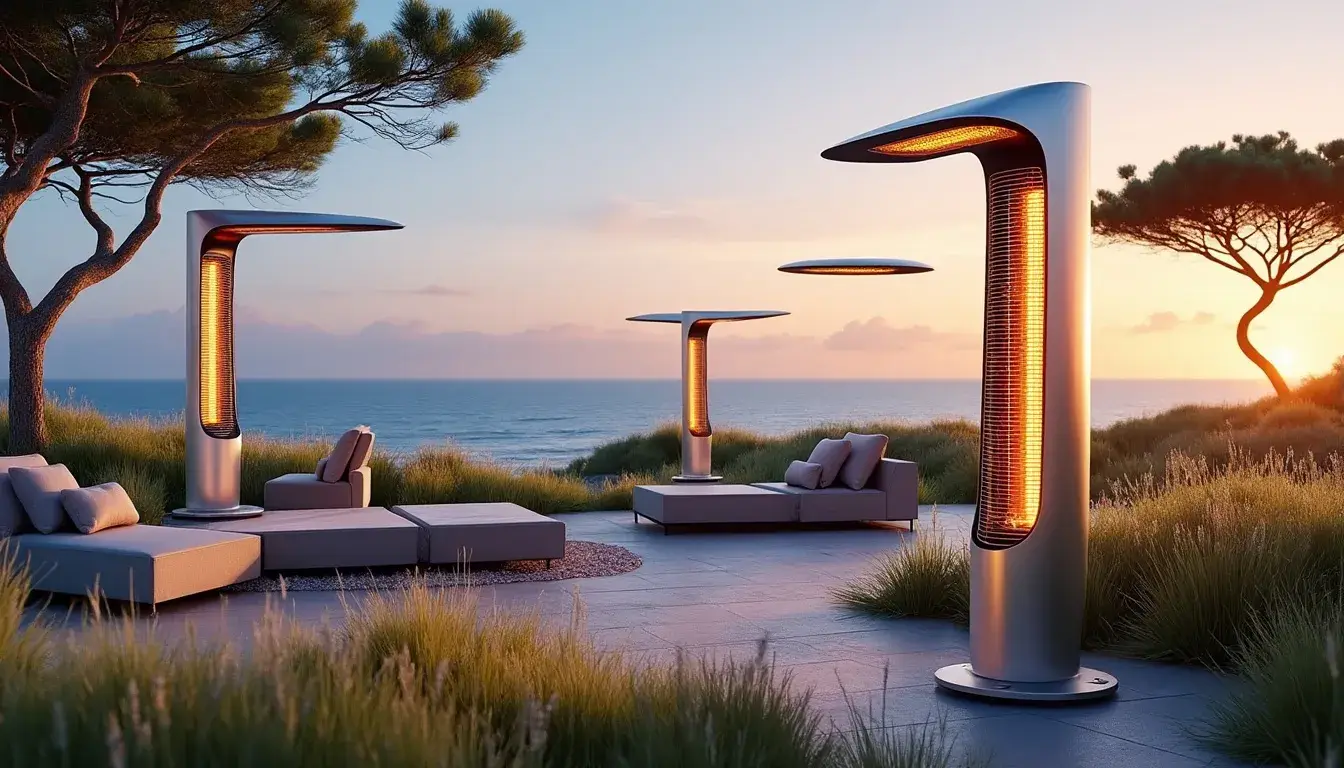
Heating in windy regions: discover effective solutions
6 min read
In a world where environmental concerns are gaining more and more importance, the choice of heating systems has become a crucial question for households, particularly in windy regions. These areas, often confronted with difficult weather conditions and increased energy needs, require heating solutions that are both efficient, sustainable, and suitable. In 2025, new technologies and innovations emerge, providing concrete answers to the challenges posed by climate variations. It is essential today to focus on these issues to ensure thermal comfort while respecting the environment.
In discussing the best heating options for these specific regions, we will explore various systems, from wood boilers to heat pumps, and examine the performance of brands such as Radialight, DeLonghi, Thermor, Atlantic, and others. Together, let’s discover how to optimize heating at home while reducing our ecological footprint.
Wood gasification boilers: an ecological option
Wood gasification boilers stand out for their energy efficiency and reduced environmental impact. This system uses wood as fuel, giving it a carbon footprint 42% lower than that of gas-fired boilers. Although the installation cost may be approximately 20% higher than that of a conventional boiler, the savings achieved over the long term more than compensate for this initial investment. Indeed, wood remains the most affordable energy source; in 2023, its cost was only 9.36 euro cents for 100 kWh, compared to electricity priced at 22.76 euro cents for the same amount.
Advantages of wood gasification boilers:
Low carbon footprint
Long-term savings despite higher installation costs
Low carbon footprint
Reduced operating costs thanks to wood
Long-term savings despite higher installation costs
Disadvantages:
Higher initial cost
Need for storage space for wood
Higher initial cost
Need for storage space for wood
In terms of environmental respect, these boilers are an essential choice for those who wish to reduce their impact while enjoying a good level of thermal comfort. However, users must also consider the installation and maintenance requirements of these systems.
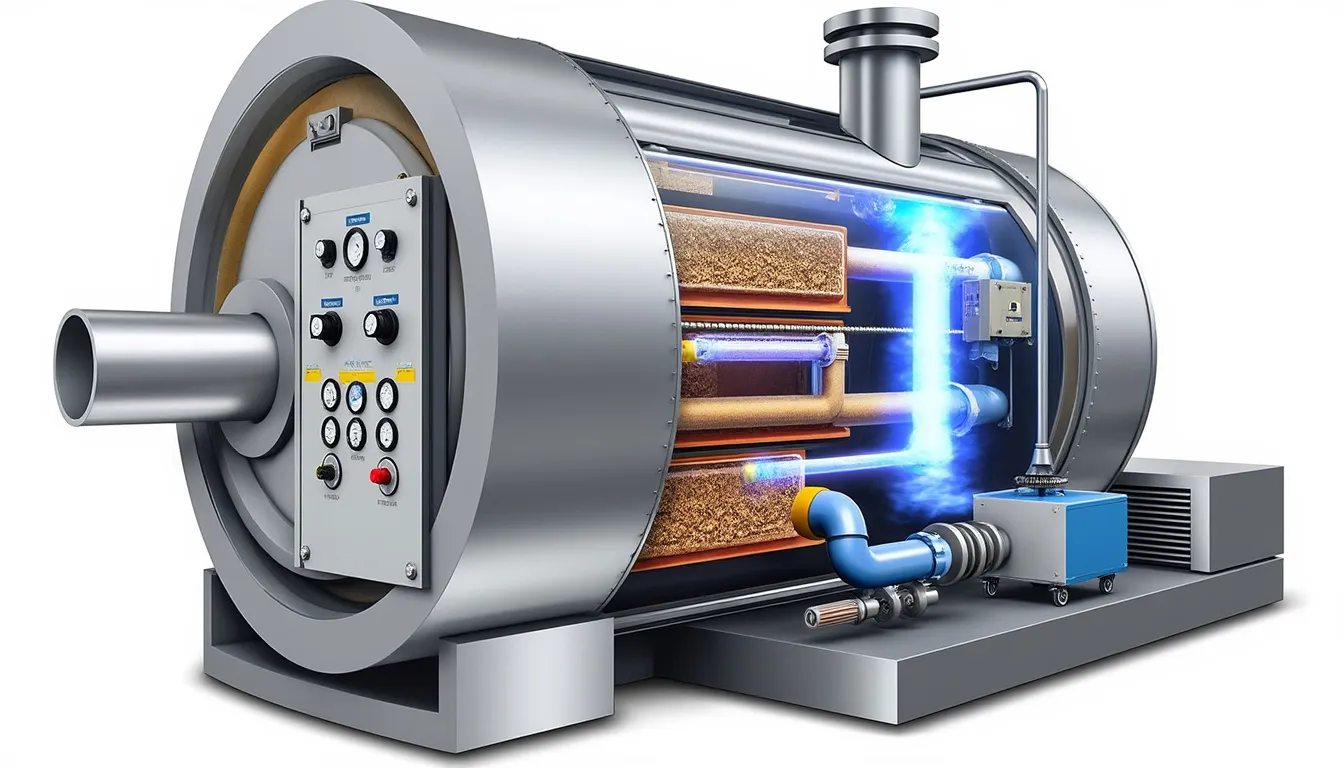
The geothermal heating system: ground heat at your service
The geothermal heating system harnesses the heat stored in the ground. It presents itself as a future-proof alternative, energy-efficient and very effective. In winter, it can provide up to 70% of the heat required for a home, while in summer, it transforms into an air conditioner by reversing its operation.
The efficiency of this system relies on its ability to capture ground calories a few meters below the surface through a network of pipes. This results in a significant reduction in carbon emissions while ensuring long-term energy savings.
Strengths of geothermal heating:
Use of a renewable resource
Considerable energy savings
Durability of installations (20 to 25 years for pumps, over 50 years for pipes)
Use of a renewable resource
Considerable energy savings
Durability of installations (20 to 25 years for pumps, over 50 years for pipes)
Considerations:
High installation costs (drilling required)
Minimal maintenance, but need for a well-designed system
High installation costs (drilling required)
Minimal maintenance, but need for a well-designed system
For the harshest regions, this solution proves particularly suitable, providing soft and constant heating throughout the year. Thanks to the durability of the materials and low maintenance costs, geothermal choice is worth considering for those seeking reliable heating.
Combined solar systems: renewable energy at your fingertips
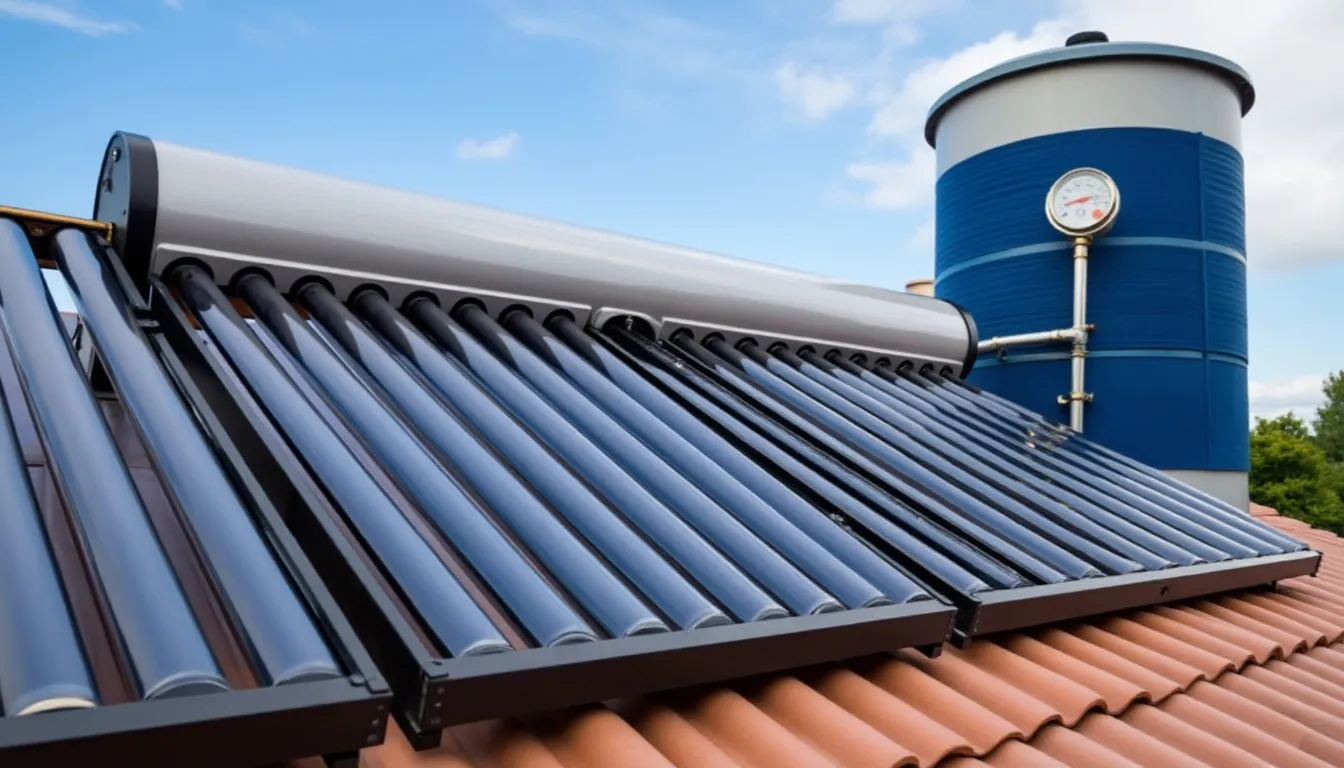
With the rise of renewable energies, combined solar systems (CSS) are taking a prominent place in the heating market. This technology uses solar power to heat water and generate electricity via photovoltaic panels and solar thermal collectors. They can also power a central heating system, thus customizing the thermal comfort of your home.
In addition to being environmentally friendly, these systems can significantly reduce dependence on fossil fuels and represent a safe long-term investment.
Type of combined solar system | Description |
|---|---|
CSS with hydro-accumulation with integrated auxiliary heating | Ideal for installations requiring electric backup. |
Independent hydro-accumulation CSS | Allows for energy autonomy and independent heating management. |
Direct solar floor | Optimized for low-consumption homes, ensuring optimal yield. |
Depending on your geographical situation and sunlight exposure, it is crucial to accurately assess your needs before installing a combined solar system. Choices based on technologies such as those offered by Atlantic, Thermor, or Groupe Atlantic ensure quality solutions and optimal yields.
The air-water heat pump technology: a multifunctional solution
Air-water heat pumps are another popular heating option in windy regions. They work by extracting calories from the outside air, allowing for optimal heating even during freezing temperatures. Their installation is straightforward and does not require drilling work, contrary to geothermal systems.
This type of pump proves to be very versatile, as it can also provide air conditioning during summer periods.
Advantages of air-water heat pumps:
Ease of installation
Energy savings of 30 to 40% on your heating bills
Simplified maintenance
Ease of installation
Energy savings of 30 to 40% on your heating bills
Simplified maintenance
Disadvantages:
Less effective in extreme climates
Heating capacity limited by external cold
Less effective in extreme climates
Heating capacity limited by external cold
Opting for an air-water heat pump, like those offered by brands such as Deltacalor or Noirot, remains a wise choice for households looking to optimize their energy consumption while maintaining a pleasant indoor climate.
Condensing boilers: performance and reliability
Condensing boilers stand out for their high efficiency, achieving yields above 90%. They recover heat from combustion gases, allowing for the reuse of energy that would normally be lost. This type of boiler can operate on various fuels, such as propane or fuel oil, thus offering some flexibility in terms of energy supply.
Characteristics of condensing boilers | Advantages | Disadvantages |
|---|---|---|
Superior energy efficiency | Reused energy, reduced environmental impact | Cost for the initial purchase |
15 to 25 years lifespan | Consistent performance over the long term | May require adaptations of existing installations |
Condensing boilers are positioned as a cost-effective choice in the long term, easily integrating modern technologies. Investing in a model from a recognized brand like Stiebel Eltron or Auer allows for a durable and reliable system while also achieving savings on heating bills.
Home automation for intelligent heating
With the rise of technology, home automation is entering our homes to optimize thermal comfort. Thanks to smart devices, it is now possible to control heating remotely, adjust temperatures according to your living habits, and avoid energy waste. Smart thermostats, for example, learn your daily habits and adjust accordingly.
Advantages of home automation:
Energy savings of 10 to 20%
Optimal comfort
Real-time malfunction alerts
Energy savings of 10 to 20%
Optimal comfort
Real-time malfunction alerts
Disadvantages:
Initial cost of connected devices
Need for a stable Internet connection
Initial cost of connected devices
Need for a stable Internet connection
By integrating home automation solutions into your heating system, you can transform your home into a space where thermal management is optimized and personalized, making daily life more pleasant and energy-efficient.
Underfloor heating: comfort and well-being
Underfloor heating, also known as radiant heating, is an increasingly popular option for its efficiency and comfort. It evenly distributes heat from the floor, eliminating cold spots and drafts. This technology is compatible with various floor coverings, ensuring a neat aesthetic.
Underfloor heating systems allow for independent heat management in each room, promoting optimal comfort at all times.
Type of covering | Performance |
|---|---|
Tile | Excellent heat conductor |
Parquet | May require adjustments |
Thin carpet | Comfort but retains less heat |
With initial investments justified by long-term energy savings, choosing underfloor heating can prove particularly interesting, both for new constructions and during renovations. Renowned brands such as Radialight and Thermor offer quality solutions suitable for all types of interiors.
FAQ about heating solutions
1. What heating system is most suitable for windy areas?
Wood gasification boilers and geothermal systems are particularly suited due to their energy efficiency and low environmental impact.
2. What is the importance of home automation in modern heating?
Home automation allows precise control of heating, offering unparalleled comfort while reducing energy costs through smart management.
3. How long does a geothermal system last?
Geothermal pumps generally have a lifespan of 20 to 25 years, while pipes can last over 50 years.
4. What are the advantages of underfloor heating?
It provides uniform heat distribution, improves indoor air quality, and contributes to a decorative environment without bulky radiators.
5. What financial aids are available for the installation of eco-friendly heating systems?
There are tax credits and local subsidies for energy renovation aids, suitable for ecological and efficient heating systems.