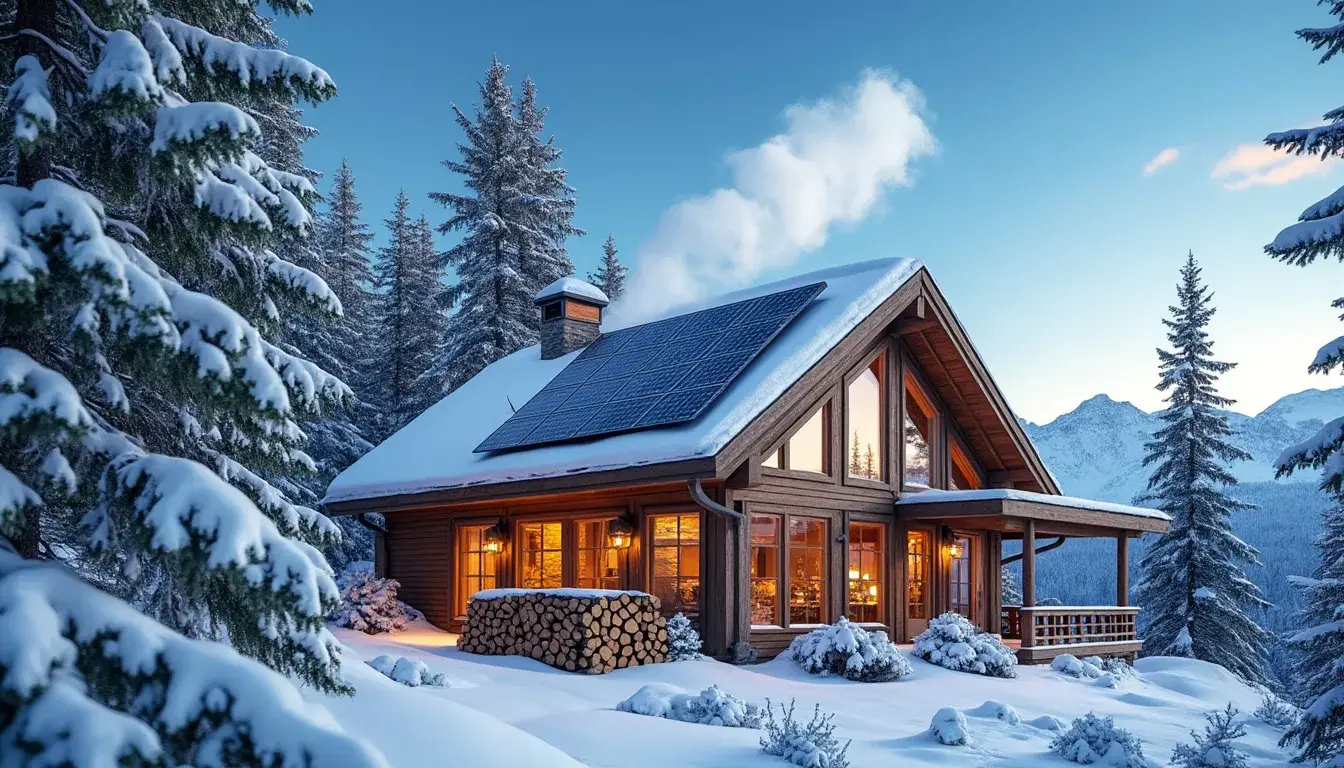
Heating for mountainous regions: solutions adapted to the cold that are sustainably effective.
4 min read
In mountainous regions, where temperatures can drop quickly below zero, the need for heating becomes essential to ensure optimal thermal comfort in our homes. The choices in heating systems are numerous, and it is crucial to understand their advantages and disadvantages. This article proposes to explore heating solutions suited to the harsh climatic conditions encountered at high altitudes.
The choice of heating system in the mountains
Heating is a key element not only for comfort but also for the energy efficiency of your home. Options to consider include gas boilers, electric systems, wood devices, as well as more modern technologies like heat pumps. In the current context and with technological advancements, it is important to think about the long-term benefits of each solution.
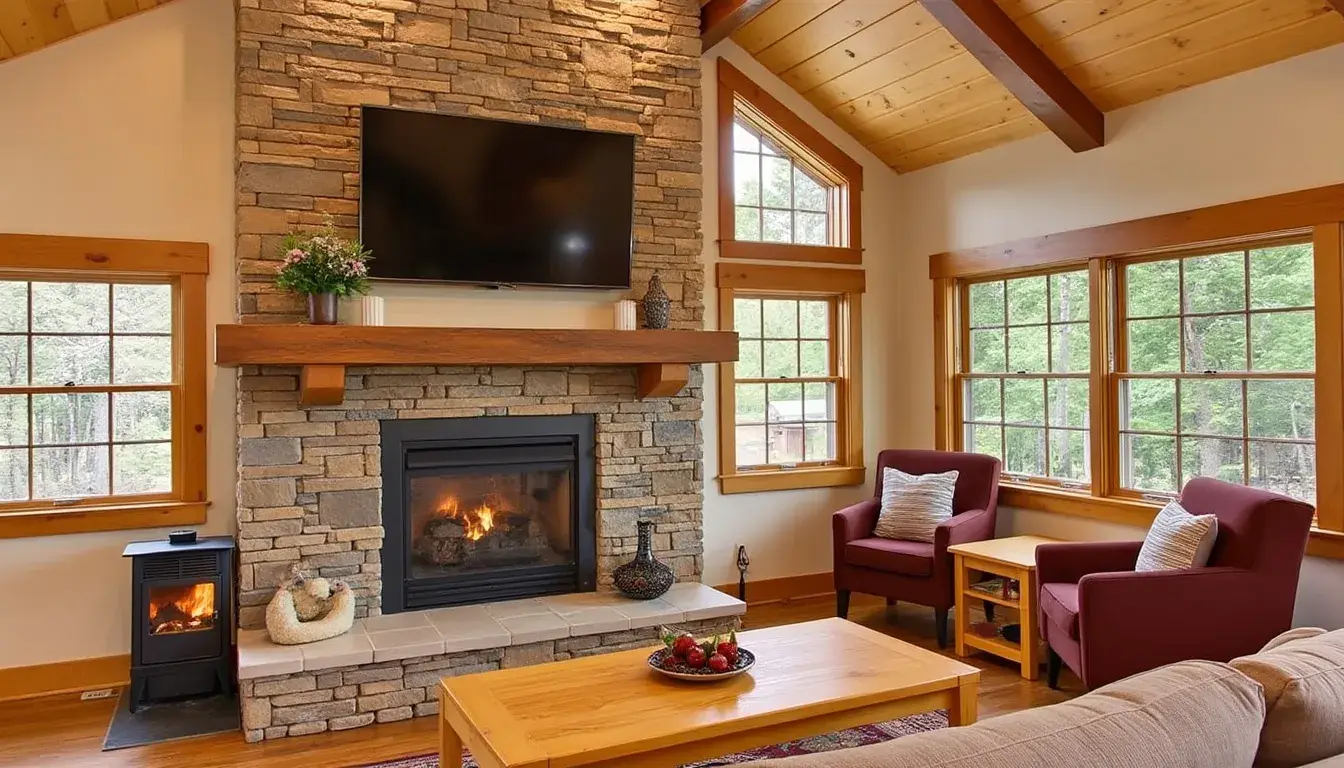
The challenges of heating at altitude
The main difficulty in mountainous areas is the intense cold, which requires heating adapted not only in terms of power but also energy efficiency. Here are some challenges residents may face:
Extreme temperatures: in winter, it is not uncommon for the mercury to drop well below zero, thus requiring a system capable of coping with these abrupt changes.
Energy costs: fluctuations in fuel prices can quickly impact household budgets.
Accessibility: some solutions may require complicated access or logistics due to the geographical location of homes.
The advantages of heat pumps in cold regions
The heat pump emerges as an interesting option for mountain residences. By leveraging natural resources – whether air, water, or soil – it can provide an effective and durable solution. But why should we consider this system more carefully in these harsh climates?
Energy efficiency
One of the major strengths of heat pumps lies in their energy efficiency. For example:
Models like Viessmann or Atlantic boast high yields, allowing for savings on heating bills.
Modern technology allows these devices to operate even in very cold weather by extracting heat from the outside air.
Environmental impact
Another point to consider is the environmental impact. Heat pumps operate on electricity, and when combined with renewable energy sources, they become an ecological choice. For example:
Models from brands Vaillant or Ferroli
Can reduce greenhouse gas emissions, thereby controlling the carbon footprint of your home.
Advantages of heat pumps | Disadvantages |
|---|---|
High energy efficiency | Initial installation cost |
Reduced environmental impact | Need for regular maintenance |
Long lifespan | Reduced performance in very cold weather |
The different heat pump technologies suited for cold
In mountainous regions, certain technologies stand out. Here are the most suitable models:
High temperature air-to-water heat pump: ideal for homes with radiators, it can produce hot water at high temperatures, even when outside temperatures are low.
Geothermal heat pump: utilizing ground heat, it remains efficient regardless of the outside climate but requires more complex installation work.
Hybrid system: combining a heat pump with supplemental heating, this type is perfect for ensuring constant thermal comfort during extreme cold.
Alternatives: wood heating and traditional boilers
In addition to heat pumps, other heating methods are often used in high-altitude areas. Each of these solutions has its own characteristics.
Wood heating
Wood heating has long been one of the preferred solutions for many older homes. Why? Here are some reasons:
Cost: Wood is generally cheaper than gas or electricity, providing an economical heating alternative.
Ecology: Wood is considered a renewable resource, provided it comes from sustainably managed forests.
However, wood heating also has some disadvantages:
Need for proper fuel storage.
Emission of fine particles, potentially harmful to health.
Gas boilers: a classic solution
Gas boilers, such as those from Buderus or De Dietrich, remain popular in urban and mountain settings. Here are some advantages:
Constant heat: They provide stable heat without waiting time.
Simple installation: Compared to geothermal heat pumps, they require less installation work.
Despite these advantages, there are challenges:
Dependence on gas supply, which can be costly and fluctuating.
Less environmentally friendly than other renewable solutions.
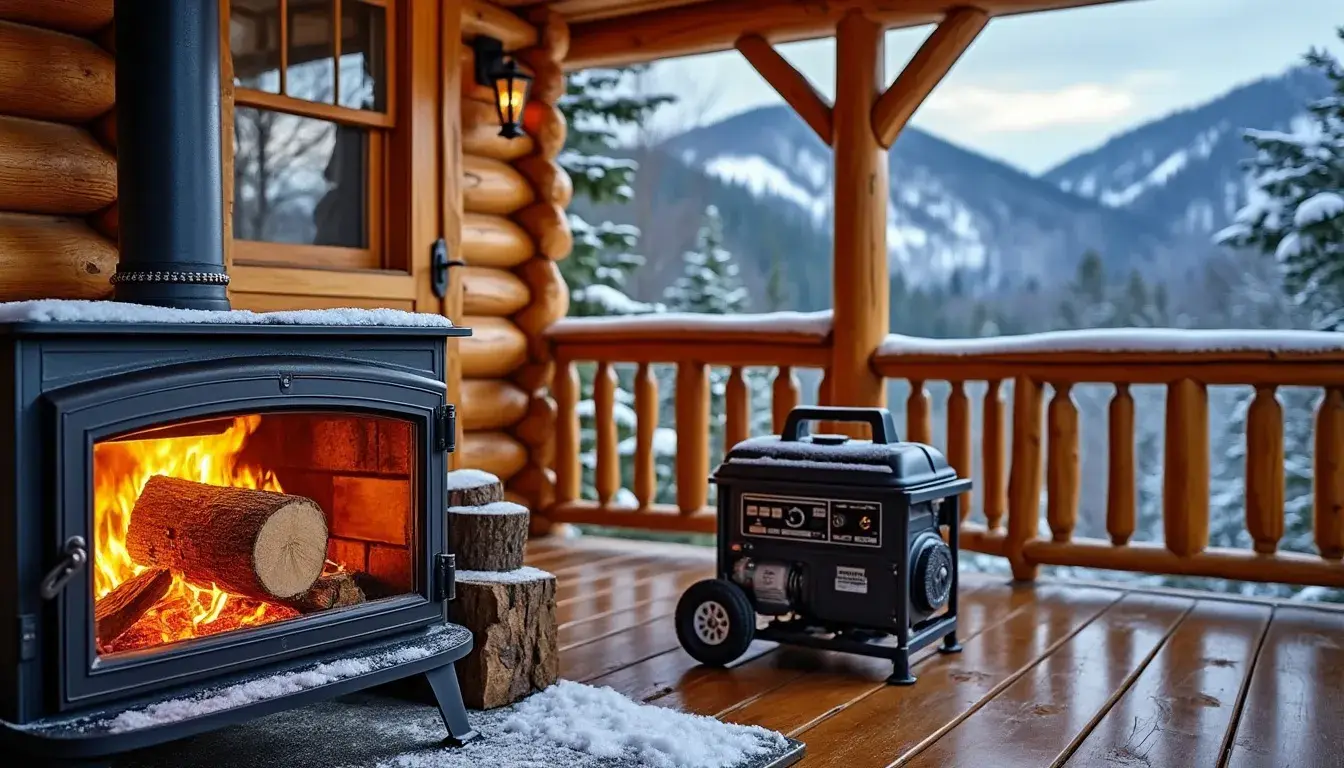
Optimizing heating in the mountains
Once the heating system is chosen, it is essential to optimize it to ensure efficiency while reducing energy costs. Here are some practical tips:
Improve insulation
Good thermal insulation is essential in homes situated at altitude. Ensure:
That the facades, windows, and roofs are well insulated.
To consider eco-friendly insulation materials like rock wool or expanded polystyrene.
That the ventilation systems do not create unwanted drafts.
Maintain your installations
Whether it's boilers, wood stoves, or heat pumps, regular maintenance is crucial:
Inspect your installations annually with a professional.
Replace filters when necessary.
Ensure that the system always operates at its optimal performance.
Tips to optimize your heating | Objective |
|---|---|
Effective thermal insulation | Reduce heat loss |
Regular maintenance | Preserve proper functioning |
Use of programmable thermostats | Effectively control temperature |
FAQ
How does a heat pump work in winter?
A heat pump extracts heat from the outside, even in cold conditions, and transfers it inside. Some models are designed to operate efficiently in harsh weather.
What type of heating is the most economical?
The choice depends on many factors, including local energy rates. Generally, wood heating and heat pumps are often cited as economical in the long term.
Should I opt for a hybrid heating system?
A hybrid system, combining multiple energy sources, can provide reliable coverage in the face of climatic variations and ensure optimal efficiency.
What are the risks of poor maintenance of my heating system?
Neglected maintenance can lead to decreased efficiency, breakdowns, and even safety issues, such as carbon monoxide emissions.
Is insulation really important?
Yes, good insulation maximizes the efficiency of your heating system by keeping heat inside, thereby reducing energy costs.