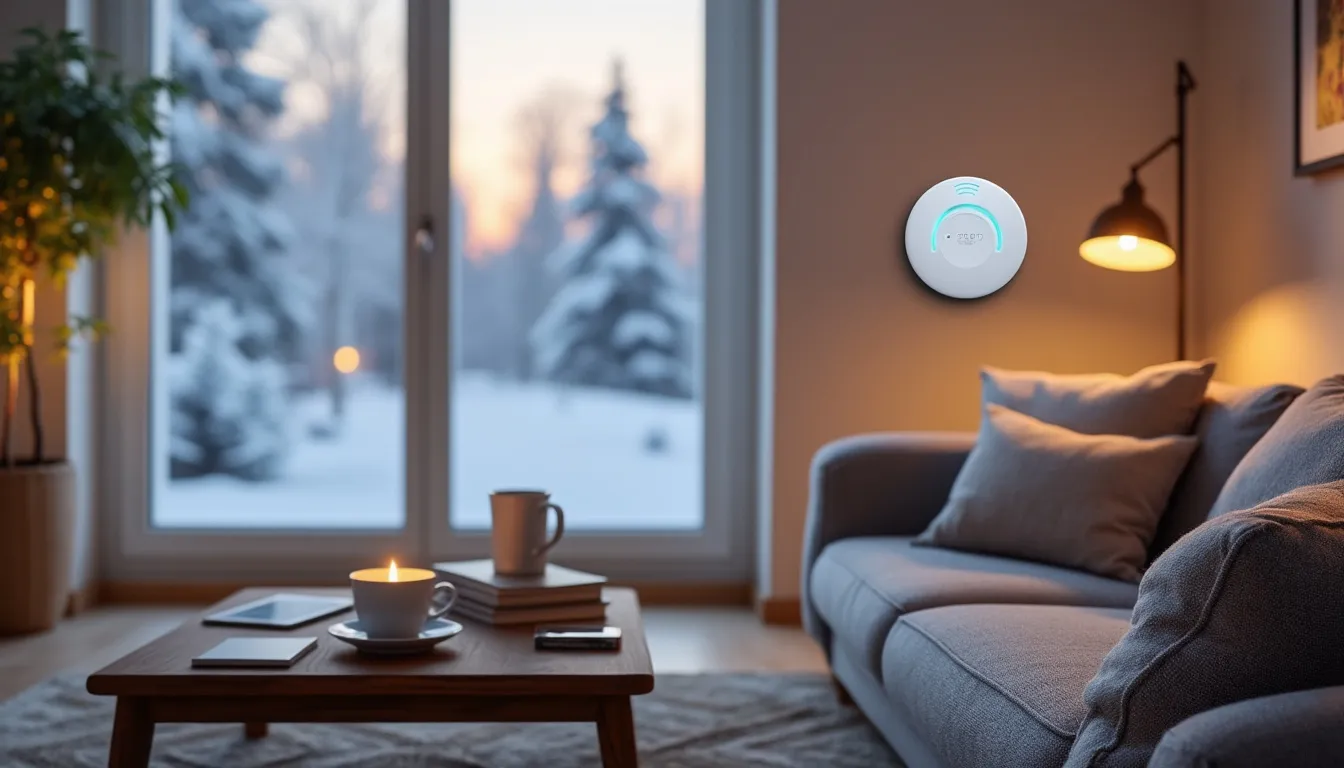
Carbon monoxide: the importance of detectors for optimal heating prevention
5 min read
Carbon monoxide is a silent, odorless, and colorless gas that poses a real and often underestimated threat to human health. This danger can arise from many sources in our homes, such as heating appliances, vehicles, or faulty chimneys. In 2025, it's more crucial than ever to understand the risks associated with this "silent killer" and to install effective detection devices to ensure the safety of our families. In this article, we will explore carbon monoxide, its impact on health, and especially how appropriate detectors, such as those from renowned brands like Nest, Honeywell, and First Alert, can save lives.
Understanding Carbon Monoxide and Its Dangers
Carbon monoxide (CO) is often referred to as the "silent killer" due to its insidious nature. Colorless and odorless, it escapes human detection, making its observation by specialized devices essential. This gas is produced by the incomplete combustion of various fuels, including natural gas, wood, coal, and oil. In 2025, awareness of the dangers of CO is essential given the increase in heating equipment.
Sources of Carbon Monoxide
Sources of carbon monoxide are numerous and varied. Here are some of the most common:
Heating Systems: Gas heaters, boilers, or oil appliances can emit CO if they are poorly maintained.
Cooking Appliances: Gas stoves and barbecues, used without adequate ventilation, are sources of risk.
Motor Vehicles: Cars and lawnmowers, when operating in confined spaces, can lead to a rapid accumulation of CO.
Impact on Human Health
The effects of carbon monoxide inhalation can vary from person to person. Mild symptoms include:
Headaches
Fatigue and dizziness
Nausea and vomiting
With prolonged exposure or at high levels, the risk of severe injury or death significantly increases. In fact, studies show that every year, dozens of people die from carbon monoxide poisoning, primarily at home.

The Role of Carbon Monoxide Detectors
Carbon monoxide detectors are essential devices for detecting the presence of this deadly gas. Combined with a good heating system, they should be considered a priority in every household.
How Carbon Monoxide Detectors Work
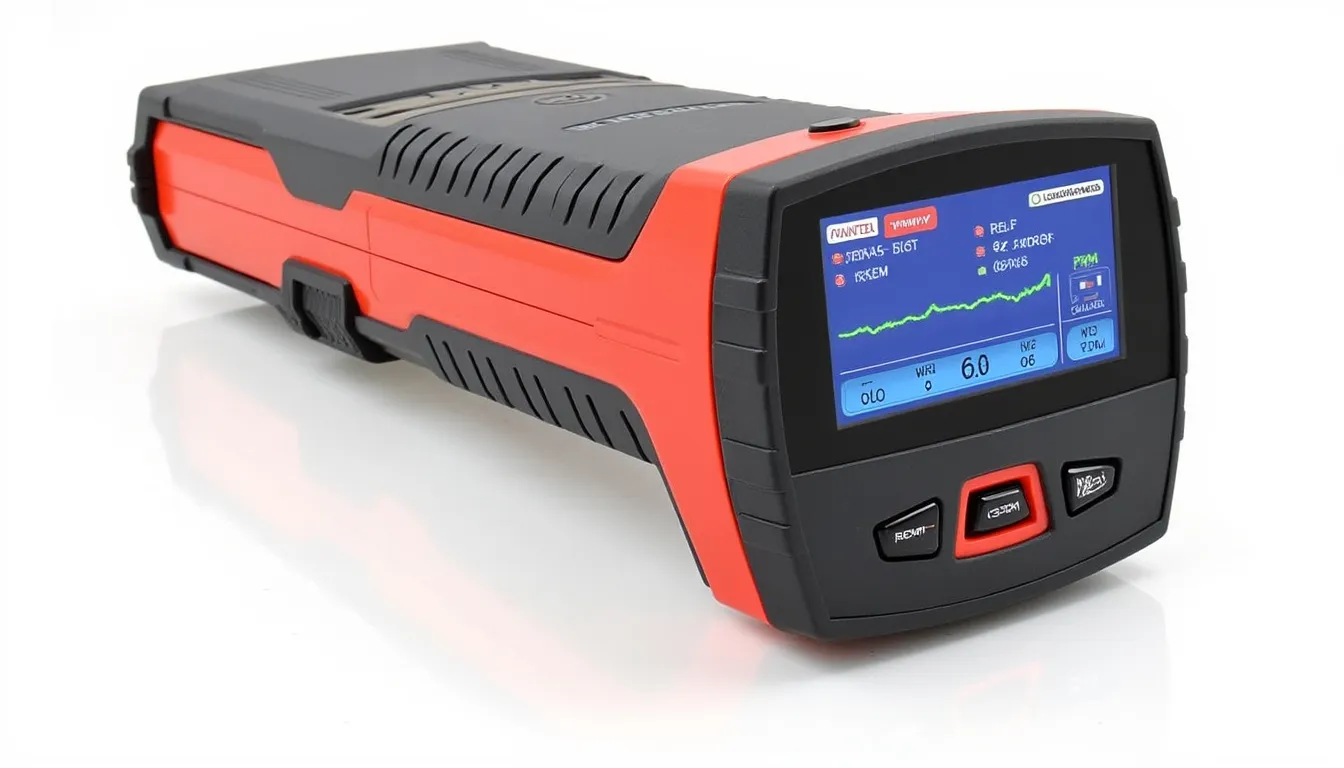
These devices work similarly to smoke detectors. Equipped with sophisticated sensors, they can detect carbon monoxide at minute concentrations. Thanks to these sensors, detectors, whether from the brand Kidde, Eaton, or Chacon, emit a sound alarm when dangerous levels are detected, thereby alerting the occupants.
Installation and Placement of Detectors
Installing carbon monoxide detectors is a simple yet crucial process. Here are some tips:
Place a detector on each floor of your home, including near bedrooms.
Avoid installing them in places where they could be exposed to drafts or combustion appliances.
Make sure to follow the manufacturer's instructions for mounting and positioning.
Brands such as Securitea and Tacklife offer models that connect to your home security systems, adding an extra layer of protection.
Brand | Type of Detector | Main Features |
|---|---|---|
Kidde | Standalone Detector | Sound alarm, automatic tests |
Honeywell | Interconnected | Remote alerts, Wi-Fi connectivity |
First Alert | Digital Detector | Digital display, voice alarm |
Testing and Maintenance of Detectors
Correct installation of detectors is the first step; regular maintenance is equally important. To ensure their proper functioning, follow these steps:
Testing Procedures
Test your carbon monoxide detectors at least once a month. Most of them are equipped with a test button that makes this check easy. A malfunctioning alarm can have tragic consequences.
Battery Replacement
It is also essential to replace the batteries in your detector every year to ensure constant vigilance in detecting carbon monoxide. Some models, like those from the brand Draper, offer long-lasting batteries that can reduce the frequency of this change.
Check that the sensors are functioning properly.
Replace units every 5 to 7 years, according to the manufacturer's recommendations.
Consult the user manual for specific guidelines.
Additional Safety Measures Against Carbon Monoxide
For a safe environment, several precautions can be implemented beyond detectors. Here are some recommendations:
Proper Ventilation
Ensuring adequate ventilation is crucial when using combustion appliances. This helps reduce the risk of carbon monoxide buildup in the air. Never forget to use your gas cooking appliances in well-ventilated areas.
Maintenance of Heating Appliances
Regular maintenance of your heating systems can prevent carbon monoxide emissions. Make sure that:
Boilers and water heaters are inspected annually.
Chimneys and flue ducts are cleaned regularly.
Combustion appliances are used according to the manufacturer’s guidelines.
Safe Use of Equipment
Avoid using generators, barbecues, or other combustion equipment in enclosed spaces. Likewise, for vehicles such as motorhomes, this can be dangerous. It is important to add CO detectors in these mobile environments to ensure your safety.
Safety Measure | Importance |
|---|---|
Adequate Ventilation | Reduces the risk of CO buildup |
Maintenance of Appliances | Prevents carbon monoxide emissions |
Correct Use of Appliances | Ensures safe usage |
FAQ About Carbon Monoxide and Detectors
1. What is carbon monoxide?
Carbon monoxide is a colorless and odorless gas produced by the incomplete combustion of fossil fuels. It is dangerous because it can cause severe, even fatal, poisoning by binding to hemoglobin in the blood.
2. Where should I install carbon monoxide detectors?
It is advisable to install at least one detector on each floor, and near bedrooms to protect occupants while they sleep.
3. How often should I test my detectors?
You should test your carbon monoxide detectors at least once a month to ensure their proper functioning.
4. Which appliances are most likely to produce carbon monoxide?
Heating appliances, faulty chimneys, and motor vehicles are common sources of carbon monoxide.
5. What should I do if my detector alarm goes off?
If your detector goes off, evacuate the premises immediately and call emergency services. Do not return until the source of danger is identified.
By taking these measures, you help protect your home against the dangers of carbon monoxide. From installing reliable detectors, such as those from the brands Honeywell or First Alert, to the rigorous maintenance of your appliances, every action counts. The safety of your family depends on your vigilance. Visit expert sites for more tips on preventing heating risks.