
Energy savings: how to adapt your heating behavior in 2025?
5 min read
By 2025, the heating and energy-saving landscape is evolving rapidly. The transition to more sustainable and environmentally friendly solutions is becoming a priority to address current ecological and economic challenges. For homeowners and tenants, this means rethinking their heating methods and adopting new technologies that not only reduce their carbon footprint but also their energy bills. Integrating environmentally friendly devices, such as heat pumps or biomass boilers, will allow you to benefit from thermal comfort while saving money. Let's explore together how to adapt your heating behavior to meet these new standards in 2025.
Traditional heating: the end of an era in 2025
In 2025, the heating landscape is radically transformed, putting an end to the era of oil and gas boilers, which are considered obsolete. These systems, which have long been the preferred choices for home heating, are now being questioned due to their environmental impact. Governments, through laws such as the one banning the installation of oil boilers since July 2022, encourage users to opt for more ecological solutions.
However, pressure varies between gas boilers and oil boilers. Although their removal is not immediate, their use will become increasingly limited. As a result, homeowners looking to renovate or build will need to turn to alternative heating systems.
Heating systems destined to disappear
Oil boilers: Banned from installation since 2022, their use is still permitted for existing installations.
Gas boilers: Although they are not yet prohibited, their use is increasingly discouraged by energy transition stakeholders.
As a result, it becomes essential to learn about new technologies that can prepare homes for the future.
Expertise: Professionals such as EDF, Engie, and Dalkia are increasingly present to advise on these new configurations.
Opportunities: Numerous financial aids exist for those who wish to invest in greener heating systems.

Heating alternatives: towards a more sustainable future
With the emergence of regulations surrounding the energy transition, the heating systems favored by our parents are making way for more ecological alternatives. At the top of the list are heat pumps, biomass boilers, and pellet stoves. These systems combine environmental respect with energy efficiency.
Heat pumps: an economical and ecological solution
Heat pumps, which extract heat from the air, water, or ground, are one of the best heating solutions in 2025. They operate with little energy and use electricity only for their operation, which helps reduce your bills.
Types of heat pumps:
Air-to-air: Ideal for homes in temperate climate zones.
Air-to-water: Known for their ability to heat central heating networks.
Geothermal: Efficient for capturing underground heat, particularly in rural areas.
Air-to-air: Ideal for homes in temperate climate zones.
Air-to-water: Known for their ability to heat central heating networks.
Geothermal: Efficient for capturing underground heat, particularly in rural areas.
Heat pumps can also be paired with solar panels to optimize their performance. By investing in these systems, you position yourself at the forefront of the energy transition.
Biomass boilers and pellet stoves
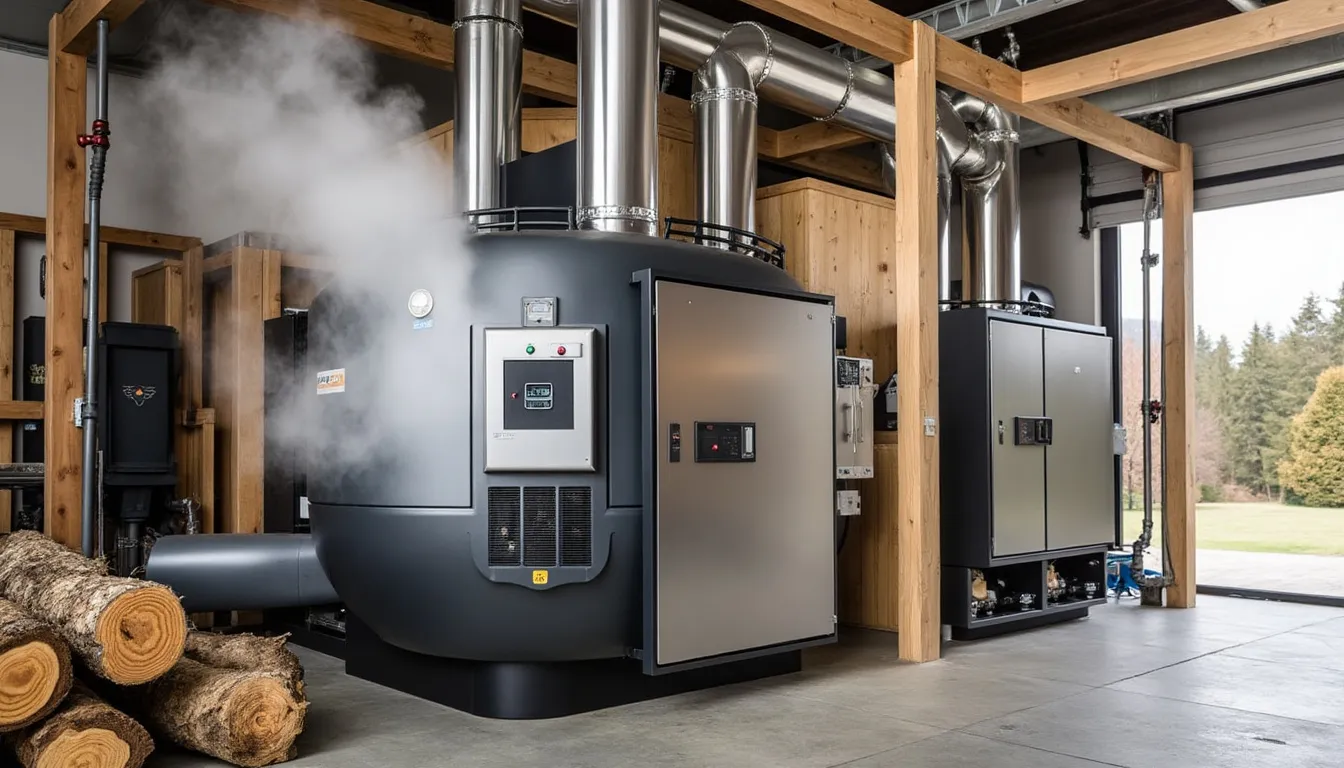
Biomass boilers and pellet stoves also stand as interesting alternatives. They operate using wood or wood pellets, offering a renewable and low-pollution solution.
Advantages:
Renewable and local resources.
Low greenhouse gas emissions.
High energy yields.
Renewable and local resources.
Low greenhouse gas emissions.
High energy yields.
However, it is important to note that some wood heating solutions, such as log boilers, are already condemned due to their environmental impact. Biomass boilers are preferred for their performance and efficiency.
Energy renovation: a necessary approach in 2025
The transition to more sustainable heating systems inevitably involves energy renovation. This approach consists of improving the energy efficiency of your housing to reduce your energy consumption and greenhouse gas emissions.
Financial aids available for energy renovation
We are in 2025, and numerous financial aids are available to support individuals in their energy transition. This includes grants and tax credits, encouraging the adoption of efficient heating systems.
Financial Aid | Type | Conditions |
|---|---|---|
MaPrimeRénov’ | Grant | For all households, subject to income conditions. |
Zero-interest Eco-loan | Loan | No income conditions, to be repaid over a maximum of 15 years. |
CERT (Energy Savings Certificates) | Financial aid | Provided that it is carried out by a RGE (Recognized Guarantor of the Environment) professional. |
The various aids, such as those offered by ADEME, help alleviate some of the costs associated with renovation work. I encourage you to contact professionals in the sector and explore the options available to you.
Changing habits: simple gestures to save
Beyond the installation of new systems, it is crucial to adopt appropriate behaviors to optimize your energy savings. Here are some practical tips:
Use a smart thermostat: These devices automatically adjust the temperature of your home according to your habits.
Properly insulate your home: Ensure that your attics, walls, and windows are well insulated to avoid heat loss.
Favor time slots: Heat only when necessary, avoiding overheating.
Monitor your consumption: Regularly check your usage to identify areas for improvement.
Care for your installation: Regular maintenance of your heating system ensures its efficiency in the long term.
These daily gestures, while they may seem simple, will make a big difference on your energy bill and your environmental impact.
The role of companies in changing energy behavior
Companies and public services play a key role in this transition. Stakeholders like EDF, Engie, and TotalEnergies offer various programs to promote the use of renewable and innovative energies, helping households move towards more responsible consumption.
The green initiatives of energy suppliers
Companies like GRDF and RTE focus on promoting renewable energies through awareness and education campaigns. These initiatives aim to encourage a gradual change in behaviors regarding energy consumption.
EDF: By offering various solutions to optimize your consumption.
Engie: Contributes both through consumption analysis tools to reduce expenses.
TotalEnergies: Promotes alternative means of supply.
By collaborating with these companies, you can benefit from expertise and support throughout your energy transition.
FAQ: your questions about energy savings and heating in 2025
What are the most ecological heating systems for 2025? heat pumps, biomass boilers, and pellet stoves are the best options.
How can I benefit from financial aids for energy renovation? Inquire with ADEME and various organizations to learn about options suitable for your situation.
What simple gestures can I adopt to reduce my heating bill? A smart thermostat, good insulation, and regular monitoring of your consumption are habits to prioritize.
Will gas boilers also disappear? Although they are not yet prohibited, their use is sharply declining and is heading towards disappearance in the near future.
How can I track my energy savings? Use tools provided by your energy suppliers to monitor your consumption and optimize your behaviors.
During this energy transition, it is essential to inform yourself, adapt, and prepare for the future. Together, we can contribute to a greener and economically responsible future.