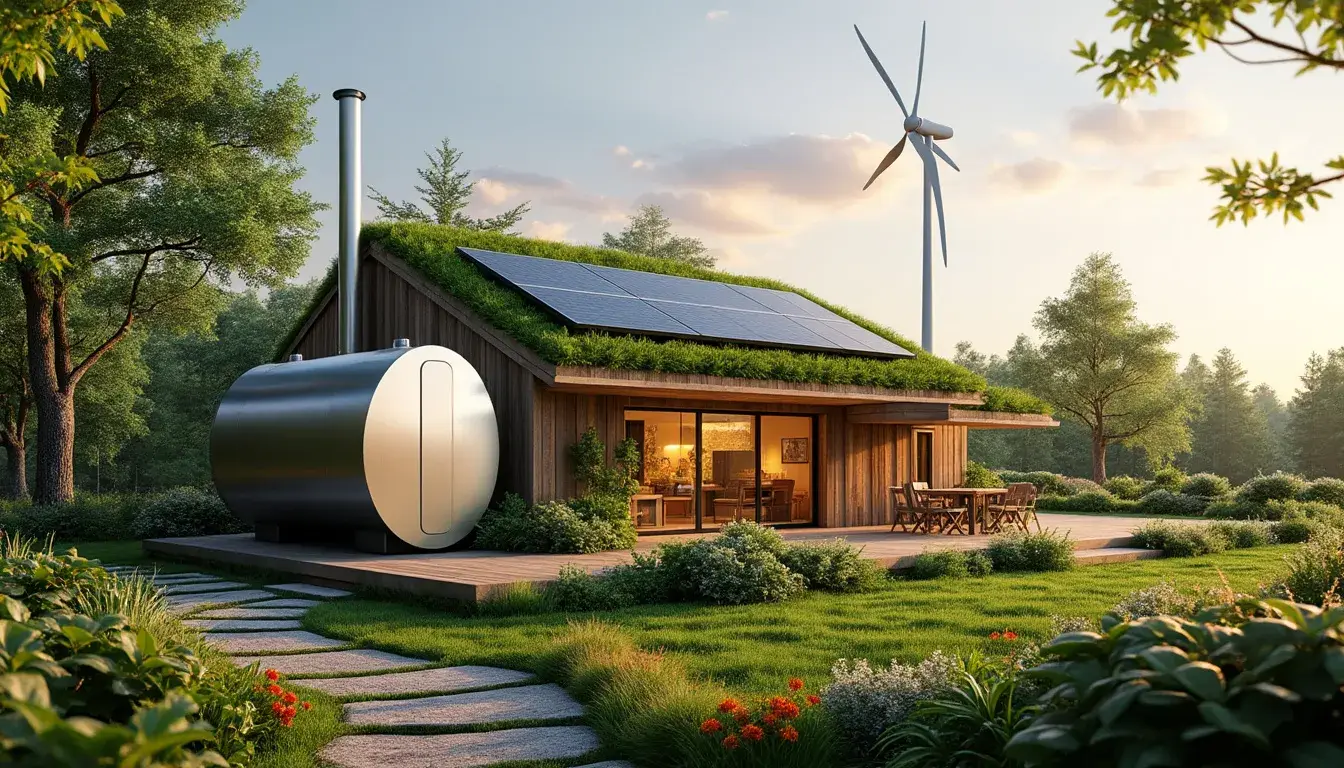
Self-sufficient heating system: towards independent and sustainable energy
5 min read
In a world where concerns about energy and the environment are becoming increasingly prominent, transforming your home into a self-sufficient heating system appears as a solution that is both beneficial and urgent. The evolution of heating technologies and the emergence of renewable energies indeed offer promising prospects for those who wish to enjoy individual autonomy while preserving the planet. In this article, we will explore various ways to achieve this, presenting effective, sustainable, and accessible solutions for ecological heating.
The stakes of energy autonomy
As climate change becomes a global concern, the quest for energy autonomy intensifies. Becoming less dependent on energy suppliers and reducing one's carbon footprint are goals increasingly shared by French households. By 2025, the future of our homes hinges on sustainability and efficiency.
Why choose a self-sufficient heating system?
Choosing a heating system that allows for energy independence has multiple advantages:
Reduction of bills: Energy costs can rise significantly, but by producing your own energy, you minimize this expense.
Less dependence: Evolving without connection to the traditional power grid offers great freedom, especially during crises or price hikes.
Contribution to environmental preservation: By adopting green technologies, you actively participate in protecting our planet.
Enhancement of your property: An energy-autonomous home is generally more attractive on the real estate market.
Key steps towards energy autonomy
To establish a sustainable system at home, it is important to proceed in stages:
Assessment of needs: It is essential to know the energy consumption of your home to adapt the necessary installations.
Thermal insulation: Strengthening the insulation of your home will limit heating needs, thus facilitating the integration of renewable solutions.
Choice of technologies: Depending on your budget and space, opt for systems such as solar heating, heat pumps, or wood stoves.
Investment in renewable energies: Installing photovoltaic panels, wind turbines, or other systems will allow you to become an energy producer.
Creating an independent heating system
Setting up a self-sufficient heating system at home is both a commitment and a wise long-term choice. Not only does it reduce your costs, but it also contributes to a positive energy transition. Here’s how to do it:
Renewable heating systems
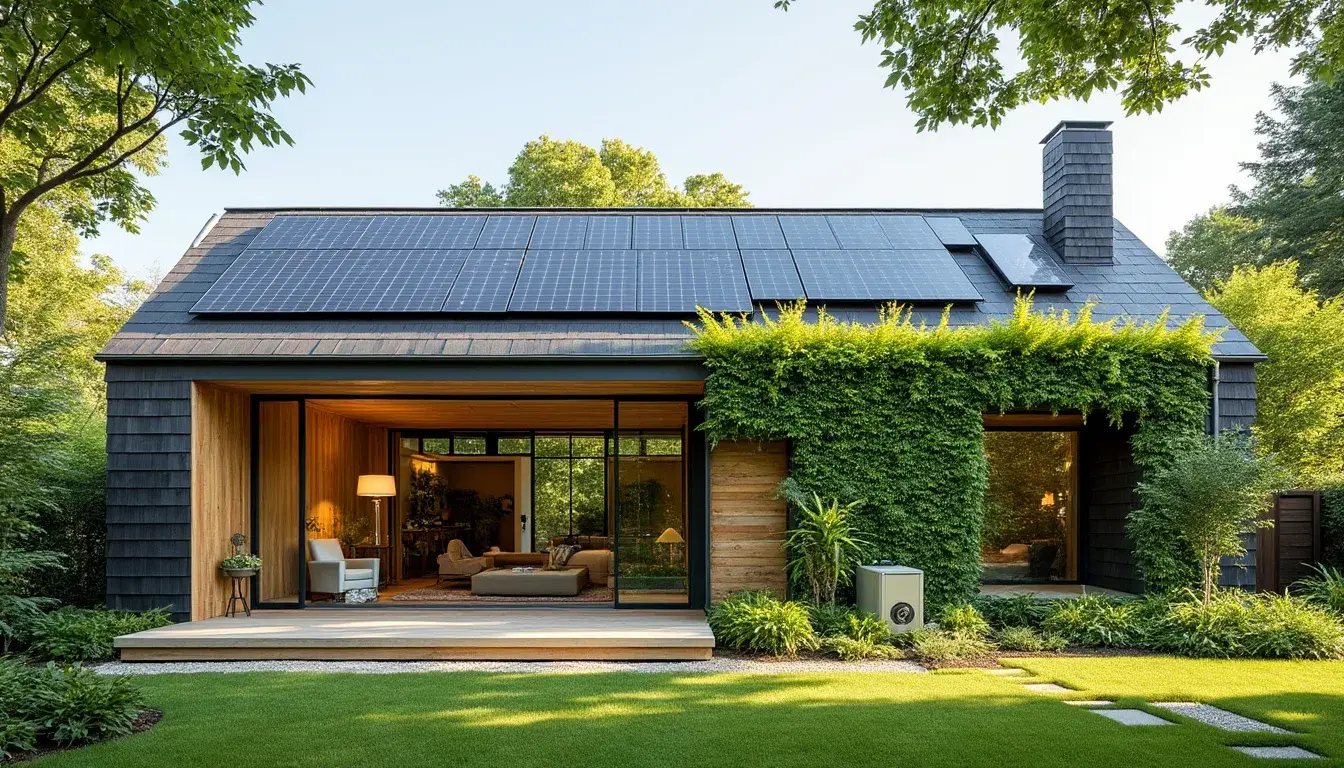
There are several choices of heating systems that fit perfectly into an energy autonomy project:
Heating system | Energy type | Advantages |
|---|---|---|
Wood stoves | Biomass | Ecological , local and often cheaper. |
Solar thermal panels | Solar | Utilize the sun's heat to warm water and spaces. |
Heat pumps | Electricity | Recover calories present in the air or ground. |
Geothermal heating | Geothermal | Stable and durable in the long term. |
How to proceed with installation?
Installing these solutions requires a careful and well-planned approach:
Feasibility study: Have your home assessed to determine which system would be best suited to your environment.
Professional consultation: Call on experts to help you choose the equipment and its installation.
Regular maintenance: Once the systems are in place, ensure regular maintenance.
Renewable energies for your independence
To ensure optimal functioning of your heating system, it is essential to utilize renewable energies:
Solar and photovoltaic energy
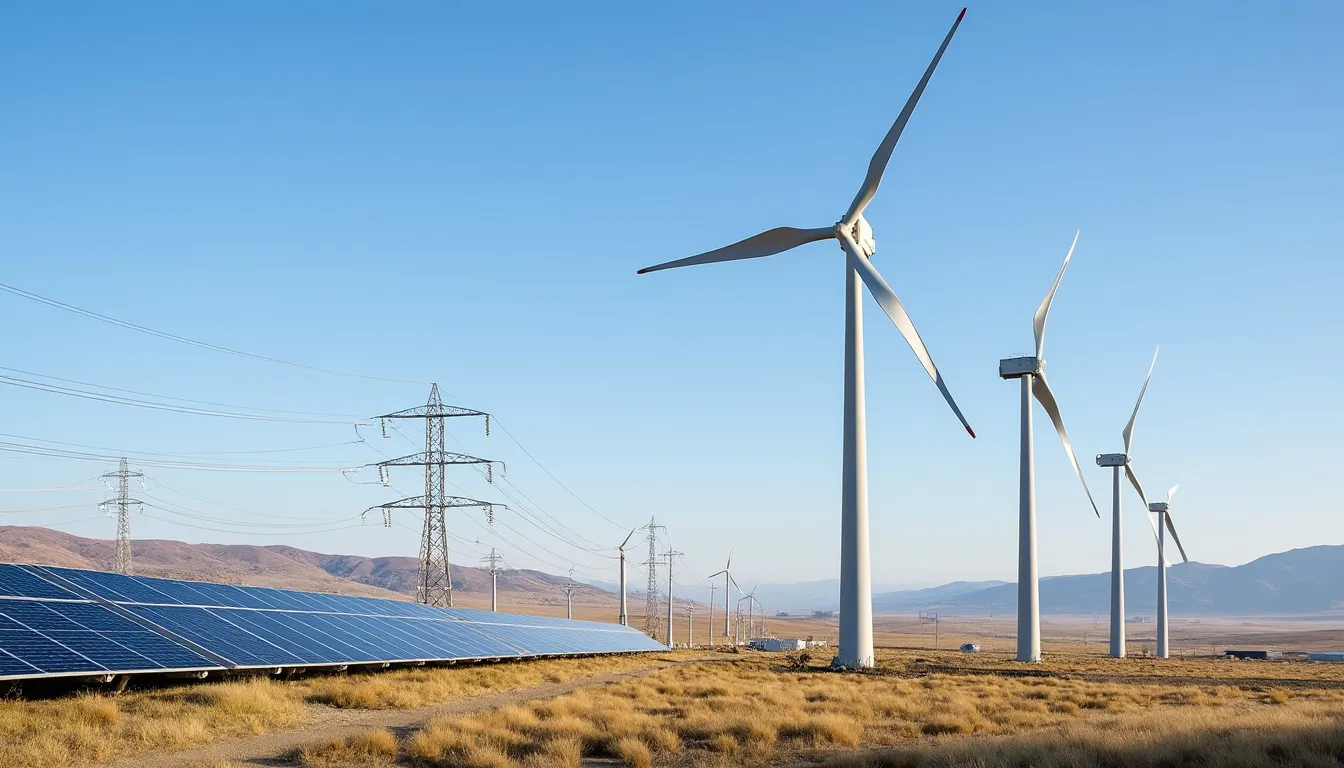
Installing photovoltaic panels on your roof allows you to produce your own electricity optimally. By capturing sunlight, they convert this energy into electricity, thus reducing your consumption from the grid. What can you do with this produced electricity? Here are some uses:
Light your home.
Power your household appliances.
Heat water for domestic needs.
Collect rainwater, reducing the consumption of drinking water.
Wind and hydro energy
If your home is located in a favorable area, considering the installation of a wind turbine or a hydro turbine can significantly improve your personal electricity production. These installations, although more complex, offer interesting yields:
Wind: Ideal for windy areas.
Hydro: Use nearby waterways to produce energy.
Support and financial assistance for the energy transition
Diving into renovation or electrical installation projects may seem intimidating, but various aids are available:
Assistance | Description | Eligibility criteria |
|---|---|---|
Assistance to reduce energy consumption within the framework of thermal renovation work. | Homeowners or tenants undertaking energy-saving work. | |
State subsidy for installing ecological heating equipment. | Recovery of a percentage of the work cost depending on the chosen system. | |
Energy bonus | Financial aid granted against renovation work aimed at reducing energy consumption. | Includes resource conditions. |
Importance of researching these aids
Starting an energy transition project is a long-term investment. It is advisable to research the various aids available to lighten the initial cost:
Visit dedicated government websites.
Contact professionals in your area for personalized advice.
Compare the offers and subsidies available.
How to become an actor in the ecological transition
Ultimately, every initiative, even the smallest, contributes to the evolution of our society. By engaging in the creation of a sustainable system, you actively participate in the fight against climate change. Here’s how you can go further:
Integration of innovative home automation
Home automation can also play an essential role in managing your energy consumption.
Smart thermostats: Automatically adjust heating according to living habits.
Mobile applications: Monitor consumption in real-time.
Energy management: Optimize all your connected devices to reduce costs.
Adopting a responsible lifestyle
Ultimately, your daily commitment matters:
Use low-consumption appliances.
Recycle and choose sustainable materials.
Favor public transport or biking for travel.
FAQ
1. What is the lifespan of solar panels?
Solar panels generally have a lifespan of 25 to 30 years, with a performance warranty that ensures efficient energy production during this period.
2. Are financial aids accessible to everyone?
Financial aids vary depending on resource criteria and the types of work contemplated. It is advisable to inquire with local authorities.
3. Is thermal insulation really necessary?
Yes, good thermal insulation is crucial for reducing heating needs and optimizing the efficiency of renewable energy systems.
4. What types of renewable energy are the most profitable for a household?
Photovoltaic panels and wood stoves are often considered among the most profitable options depending on the region and budget.
5. How can I estimate my energy autonomy?
To estimate your energy autonomy, you need to evaluate your annual energy consumption and the production capacities of your renewable installations.