
Presence detection: how heating automation enables sustainable savings
4 min read
In a world where the need to reduce our energy footprint is becoming increasingly urgent, technological innovation offers us new and effective solutions. Among them, radiators equipped with presence detectors stand out as champions of energy savings. These smart devices are designed to automatically adjust the heating based on room occupancy, thus ensuring optimal thermal comfort while minimizing expenses. This article explores how this innovative technology is transforming our approach to heating, highlighting its advantages, disadvantages, and the promising future of connected heating systems.
The operation of radiators with presence detectors
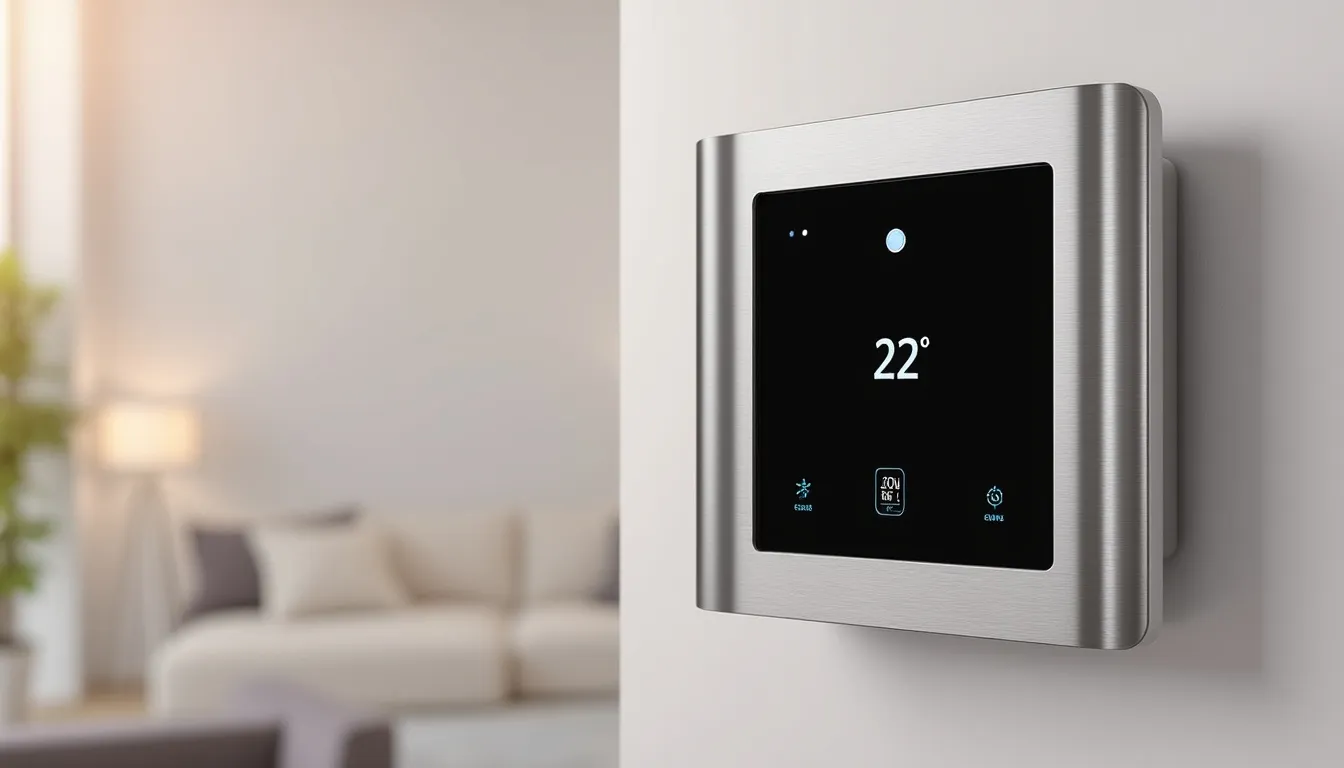
Radiators equipped with presence detectors use sophisticated sensors capable of detecting human activity in a room. In the absence of people, these devices reduce or stop their operation, thus avoiding heating unoccupied spaces. When a person enters, the system can immediately readjust the temperature to provide a pleasant environment.
Significant energy savings
One of the major interests of these smart radiators lies in the energy savings they allow. These systems are designed to operate only when needed. According to studies, putting radiators to sleep in empty rooms can lead to a reduction in heating bills of up to 30%. This results in lower electricity consumption, directly beneficial for your wallet.
Reduction in energy consumption
Lower heating bills
Improvement in overall energy efficiency
Therefore, these new technologies provide an attractive solution not only for user comfort but also for the environment, by contributing to lower CO2 emissions.
Increased comfort with personalized routines
Users can program these radiators to create routines tailored to their presence schedules. Imagine coming home after a day at work to a warm room, a true pleasure during the cold winter nights. Programming not only optimizes comfort but also ensures that heating is activated just before your return.
Connectivity and remote control
With the advent of home automation, many radiators with presence detectors integrate connectivity features. Thanks to smartphone apps, it becomes possible to control the temperature remotely. Brands like Tado and Netatmo offer innovative and user-friendly solutions, thereby facilitating the management of your thermal comfort from anywhere.
Control your heating via mobile.
Create heating scenarios according to your schedule.
Avoid energy waste even in your absence.
The drawbacks of radiators with presence detectors
Despite their many advantages, these systems are not without drawbacks. One of the main issues lies in their sensitivity. A sensor that is too reactive can be misled by minor movements, such as those of a pet or a cleaning robot, leading to unnecessary heating starts.
Drawbacks | Possible consequences |
|---|---|
Sensitivity of detectors | Inappropriate heating starts |
Installation costs | Higher initial investment |
Poor management of settings | Energy overconsumption |
It is therefore crucial to carefully assess your household's specific needs before committing to a purchase. By considering lifestyle habits, it is possible to achieve maximum energy efficiency.
Models and brands to consider
The market for smart radiators is booming, and several brands stand out for their innovations and performance. Here are some examples:
Netatmo: Easy-to-use models with an intuitive mobile app.
Tado: Offers connected thermostats that adapt to your habits.
Honeywell: Renowned for its reliable and high-performance solutions.
Ecobee: Offering remote management with motion recognition.
Each model has its specific characteristics, so it is important to conduct thorough research before making a decision, considering your priorities, whether it be energy efficiency, cost, or features.
The future of connected thermostats
By 2025, the technology of smart radiators is experiencing a phase of acceleration. More and more households are adopting these systems due to their ease of use and their ability to interconnect with other home automation devices, such as Philips Hue for lighting or Amazon Echo for voice control. It thus becomes possible to create a completely integrated environment, managing light and temperature at your convenience.
The environmental benefits of automated heating systems
With a growing focus on ecological initiatives, investing in smart heating systems is not limited to energy savings. These devices, by optimizing heating, contribute to reducing pollutant emissions and promoting a sustainable habitat. Devices like those from Schneider Electric set an example by combining connectivity with a commitment to sustainable development. Users can make conscious and informed decisions regarding their energy consumption.
FAQ
What are the advantages of a smart radiator with a presence detector?
Smart radiators with presence detectors allow for considerable energy savings while providing optimized thermal comfort through automatic adjustments based on your presence.
What is the installation cost of a radiator with a presence detector?
The cost can vary significantly. On average, these devices can cost between 200 and 600 euros depending on the brand and features. Installation may also add costs if electrical modifications are needed.
Are radiators with presence detectors noisy?
Most modern models operate quietly. However, improper installation could cause noise, so it is recommended to hire a professional for installation.
What type of radiator is best suited for a home?
The choice will depend on factors such as the size of your space, your budget, and your heating habits. Inertia radiators are often recommended for their energy efficiency.
Can a smart radiator be controlled remotely?
Yes, many models offer remote control options via mobile apps, allowing users to adjust the temperature even when they are not at home.