
Manage heating effectively in multiple zones with a home automation box
5 min read
In an era where technology intertwines with our daily lives, home automation becomes an essential tool for optimizing comfort in our homes. Remote heating management has become one of the most sought-after features by users. This article discusses how to effectively and intelligently control your heating system through connected solutions, reducing your energy consumption while maintaining your comfort.
The principle of home automation for heating
Home automation encompasses a set of technologies aimed at controlling and automating household equipment. Among them, heating management. Thanks to sensors and connected devices, it is possible to adjust the temperature for each room according to the specific needs of the occupants.
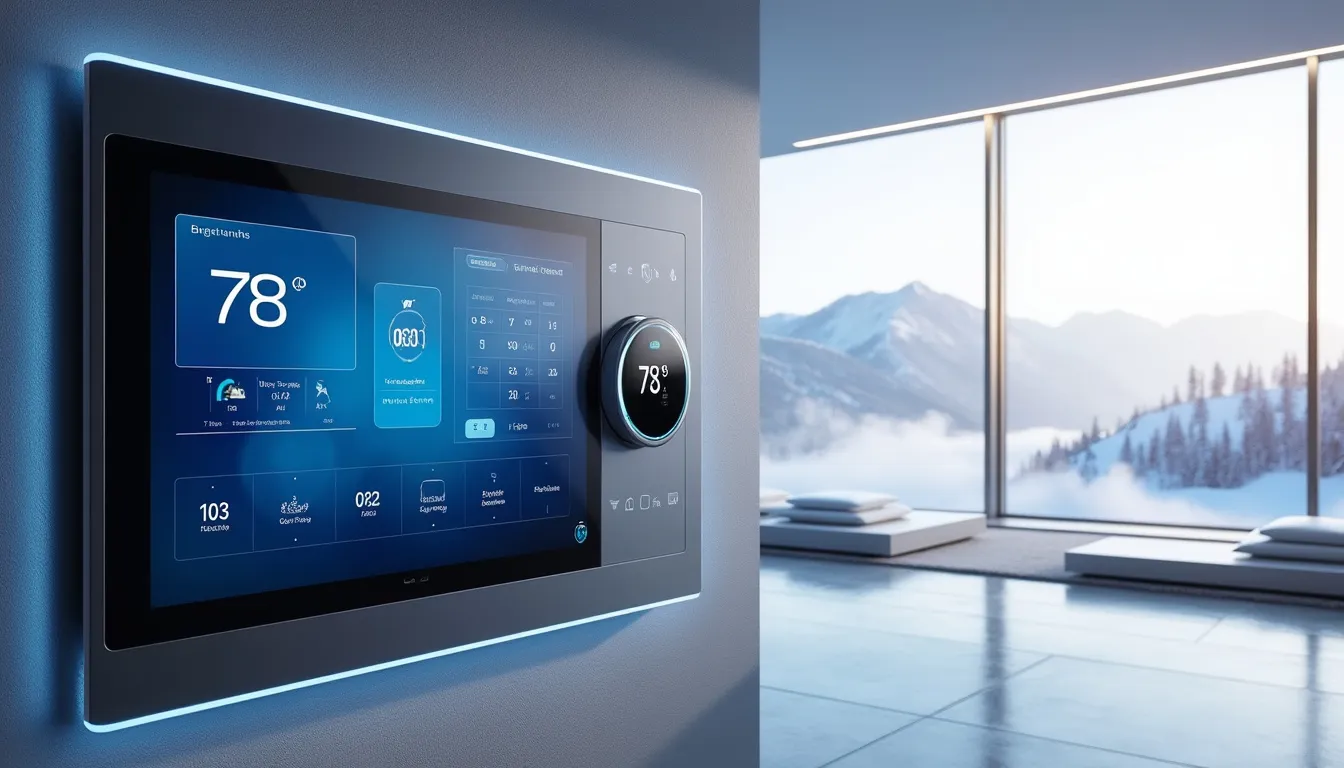
By 2025, smart heating systems generally consist of a connected thermostat that, when combined with other equipment such as electric radiators or heat pumps, allows for optimal control. These devices, connected to an internet box, act as a central hub enabling homeowners to manage their heating remotely via an app on their smartphone or tablet.
The advantages of a connected home automation heating system
Energy savings: It is estimated that a well-adjusted system can generate up to 30% savings on your bills.
Personalized comfort: Maintain an ideal temperature according to your preferences in each room.
Simple interface: An intuitive app makes managing heating settings easy.
Enhanced security: Many solutions offer alerts in case of detected anomalies, such as gas leaks.
Choosing a suitable smart thermostat
To make the most of home automation for heating, installing a smart thermostat is crucial. This device forms the core of your remote management system. Today, various models are available on the market, such as Tado, Netatmo, or Honeywell, each having specific features depending on the type of heating you have, whether it is gas, oil, or electric-based.
It is often recommended to call a professional for the installation to ensure not only safety but also proper functioning of your device. Once installed, you just need to download the dedicated app to access the various settings.
Type of heating | Recommended thermostat |
|---|---|
Electric radiators | Fibaro , equipped with wireless technology |
Heat pumps | Eve Systems for optimal compatibility |
Gas/oil boilers | Danfoss , capable of regulating heat |
Programming and monitoring your heating
Most smart thermostats are equipped with learning features, allowing them to automatically adapt their programming based on your habits. However, a few tips can help you further optimize your system:
Program daily: Set specific activation time ranges to avoid heating unnecessarily when the house is empty.
Monitor the weather: Adjust your system according to forecasts to anticipate significant temperature drops.
Anticipate your return: With remote control, ensure your home is at the desired temperature upon your arrival.
Optimizing heating in multiple zones
One of the main advantages of a connected heating system is the ability to manage each zone of your home independently. This allows not only better control of energy consumption but also optimal comfort for each occupant.
Devices to consider
To take advantage of this feature, several solutions are available to you. Connected radiators, for instance, allow you to control the temperature of each room via an app. Brands like Somfy or Jung offer efficient solutions for zoned heating.
By integrating these devices into your home automation system, it is possible to:
Regulate the temperature room by room according to the actual usage of each space.
Save energy by avoiding heating unused rooms.
Create specific atmospheres according to needs, whether for work, relaxation, or entertaining.
Zoning | Recommended solution |
|---|---|
Living room | Devolo for customizable ambiance management |
Bedrooms | Yale for increased nighttime comfort |
Kitchen | Tado for quick temperature adjustments |
Connected heating systems facilitate simplified and efficient management of temperatures in different areas of your home. The key lies in the choice of devices and their integration within a coherent home automation system.
Securing your heating system
Safety is an essential aspect not to be overlooked when installing connected heating. Modern systems incorporate safety features to prevent incidents. Devices such as gas leak sensors or boiler startups, offered by brands like Honeywell, can immediately alert in case of anomalies.
Here are some safety elements to examine when setting up your system:
Gas detection: Ensure that your installation has integrated sensors to detect leaks.
Real-time alerts: Some mobile apps allow you to receive notifications on your smartphone in case of issues.
Regular energy assessment: Conducting diagnostics to check the efficiency of your equipment is essential.
Durable and efficient installations
For optimized heating management, it is essential to invest in quality devices. Choose reliable equipment that is recognized in the field of home automation. This not only relates to performance but also to the durability of your systems. A good choice will not only save you on your bills but also ensure the safety and comfort of your home.
Device | Characteristics |
|---|---|
Smart thermostat | Customization, optimization based on usage |
Connected radiators | Temperature regulation room by room |
Safety sensors | Protection against leaks and fires |
FAQ
What is the difference between a conventional thermostat and a smart thermostat?
Smart thermostats allow for remote management via an app and offer adjustable features according to your lifestyle. Conventional models do not have these connectivity options.
How can I tell if my heating is compatible with a smart thermostat?
Always check the technical specifications of the thermostat you are considering. Brands like Tado and Netatmo provide detailed information on compatibility.
What savings can I achieve by installing a connected heating system?
Generally, users can achieve up to 30% savings on their energy bills by optimizing their consumption using smart thermostats.
Are there subsidies available for the installation of smart heating systems?
Yes, many financial aids, in the form of tax credits or local subsidies, are often available for installations that offer improved energy performance.
How can I ensure the safety of my connected heating system?
Investing in safety sensors, maintaining a regular energy assessment, and ensuring that the system is properly installed are the best ways to ensure safety.