Solar heating: an effective supplement to reduce your energy bills
5 min read
With the continuous increase in energy costs, many households are looking for solutions to lighten their bills. In 2025, the choice of an efficient heating system has become crucial, both in terms of savings and environmental impact. Among the available options, solar heating stands out as an ecological and economical alternative. But how do you choose the right system and which technology should you prioritize to make the most of the sun's advantages? This article explores different heating solutions, with a particular focus on solar, to help you make an informed choice.
The Different Heating Systems in 2025: An Overview of Options
In 2025, the heating system market shows impressive diversity. Each technology has its own advantages, disadvantages, and installation costs. Here is an overview of the main solutions available:
Heat pumps: offering high energy efficiency, they are often cited as one of the best long-term options.
Wood heating: leaving a reduced carbon footprint, it proves to be economic while providing pleasant warmth.
Electric heating: although widespread, it is not always the best option depending on the region.
Solar heating: a renewable solution, its efficiency, however, depends on the level of sunlight.
This choice may seem complex, but it depends on your personal situation, the location of your home, and your preferences regarding comfort and budget.
Focus on Heat Pumps: Profitability and Efficiency
Heat pumps are among the most favored systems for their low operating cost and their ability to produce more energy than they consume. Generally, they generate three to four times more heat than the electricity used, ensuring significant savings on energy bills. In 2025, several brands like Aldes, Thermador, or Daikin offer efficient solutions suitable for various types of homes.
In terms of initial investment, the purchase cost of these devices may seem high, but financial aid such as MaPrimeRénov' in France eases this expense. In just a few years, the savings made on your bills can offset this investment, making the heat pump attractive.
Wood Heating: The Timeless Option
Wood heating, in the form of pellets or logs, remains popular in 2025. Its availability and relatively stable price make it an economical choice. Modern devices, such as pellet stoves, are much more efficient than old fireplaces. In addition to providing a warm ambiance, these devices are generally easier to use and require less maintenance.
Here are some advantages of wood heating:
Renewable energy: wood is a renewable resource, making it an ecological choice.
Energy performance: recent stoves offer high energy efficiency.
Economy: the cost of wood pellets is often lower than that of fossil fuels.
The Solar Water Heater: An Option to Consider
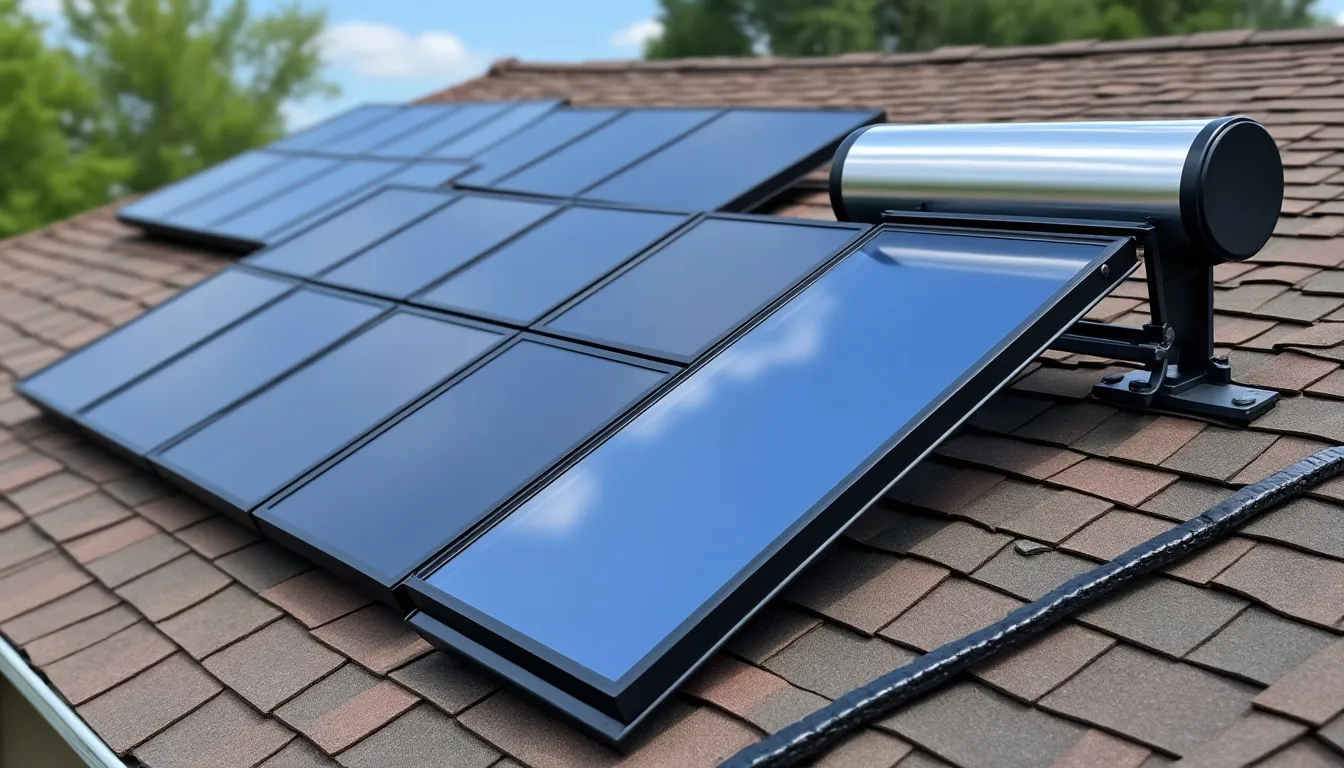
The solar water heater is one of the most efficient solar systems. It uses solar energy to heat potable water, thus providing a sustainable and economical solution. In 2025, powerful systems like Soleilvert or Soleiltech significantly reduce hot water bills.
Here’s how a solar water heater works:
Solar thermal panels capture heat from the sun.
This is transferred to the water in a storage tank.
When the water is sufficiently hot, it is sent into the home's plumbing system.
Electric Heating: A Balance to Establish
Electric heating is ubiquitous, but its usage cost can quickly accumulate, especially in cold regions. However, with the advent of new inertia heaters, the situation changes. These devices allow heat to be retained longer, thus reducing consumption. OptiSolar and other brands are working on innovative solutions for optimal management of electric heating needs.

Solar Heating: Another Dimension
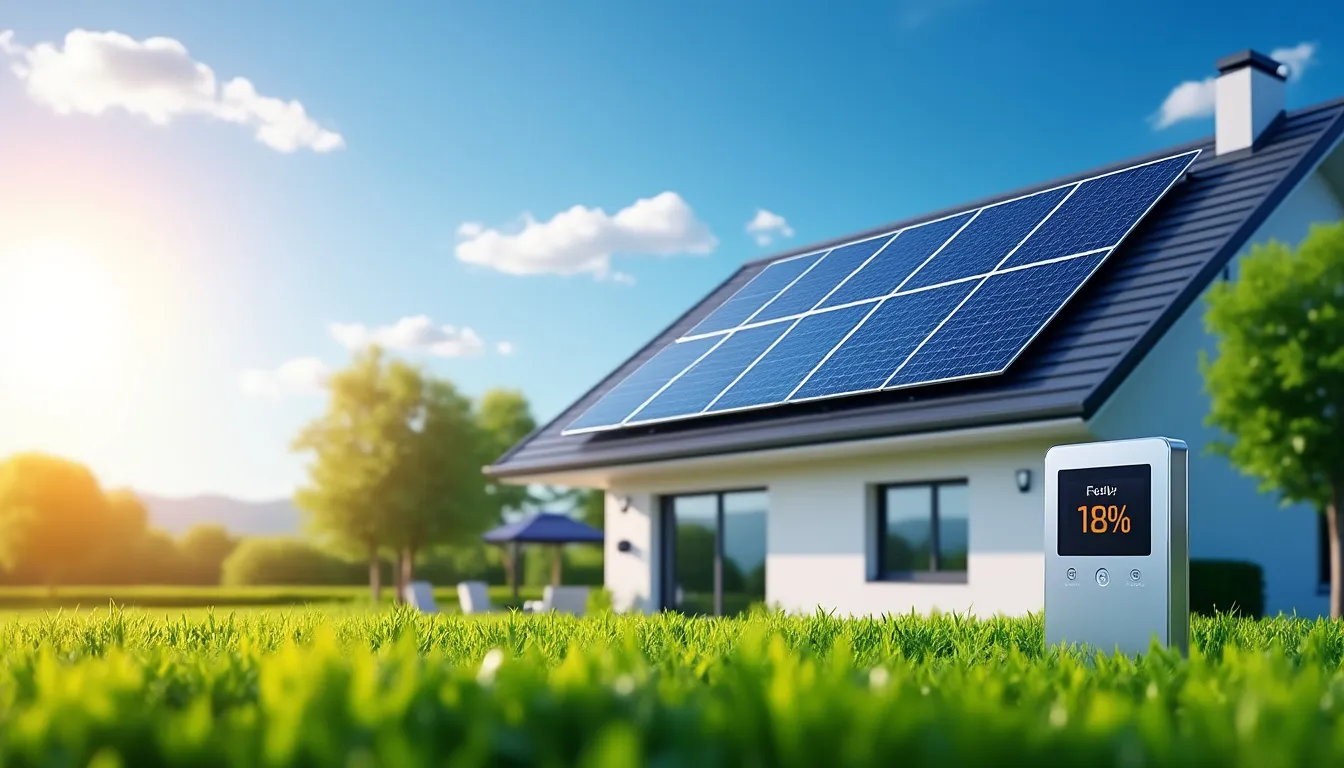
Solar heating is a concrete response to the need for more sustainable and less costly solutions. In 2025, improved technologies and more efficient devices make solar heating a seriously considered option.
Companies like SoleilEco and SoleilAI are developing systems that easily adapt to all kinds of buildings, whether individual housing or commercial spaces.
An undeniable asset is its ability to produce autonomous energy, reducing dependence on energy suppliers.
How Does a Solar Heating System Work?
A solar heating system uses either photovoltaic solar panels or solar thermal panels. The former convert sunlight into electricity, while the latter extract heat directly for heating air or water. In 2025, these technologies are increasingly accessible and economical, particularly due to protected patents and innovations.
Air solar systems, such as those offered by Solairis, are particularly interesting as they enable rapid heating of large spaces. This type of system can operate on the principles of aerothermal technology, capturing heat from ambient air to transfer it inside buildings.
The Advantages and Disadvantages of Solar Heating
It is essential to examine all aspects of solar heating before installing a system:
Advantages | Disadvantages |
|---|---|
Renewable and free energy | Decline in efficiency during cloudy days |
Significant reduction in energy bills | High initial installation cost |
Environmentally friendly | May require another supplementary system in winter |
The Importance of Insulation in Heating Choice
No matter which heating system is chosen, insulation plays a crucial role. A poorly insulated house will lead to significant thermal losses, thus reducing the efficiency of your heating system. In 2025, it is established that thermal losses can reach 30% of the energy consumption of a household. This is why it is essential to examine and improve insulation before choosing your heating system.
Here are some elements to check:
Wall insulation: choose quality materials to minimize losses.
Windows and doors: check their airtightness; a simple change of glazing can make a big difference.
Attics and roofing: adequate insulation of these spaces is essential for keeping heat inside.

FAQ on Heating Systems in 2025
What are the best heating options for a single-family home?
For single-family homes, air-water heat pumps, wood heating (pellet stoves), and solar heating are often cited as the best economic and ecological options.
What is the average cost of installing a solar heating system?
The cost of installing a solar heating system can vary depending on several factors, but in 2025, it generally ranges between 5000 and 15000 euros, depending on the complexity and size of the installation.
Are financial aids available for the installation of a solar heater?
Yes, various financial aids are offered such as MaPrimeRénov', allowing to reduce the installation cost of efficient heating systems. It is advisable to consult specialized websites to learn about the available options based on your situation.
Is electric heating viable for daily use?
It can be, especially with inertia radiators that offer optimal energy management. However, one must be aware of the costs, especially in cold regions.
How can I improve the efficiency of an existing heating system?
Before considering a change, examine the insulation of your home, carry out regular maintenance on your equipment, and explore supplementary options like solar heating.