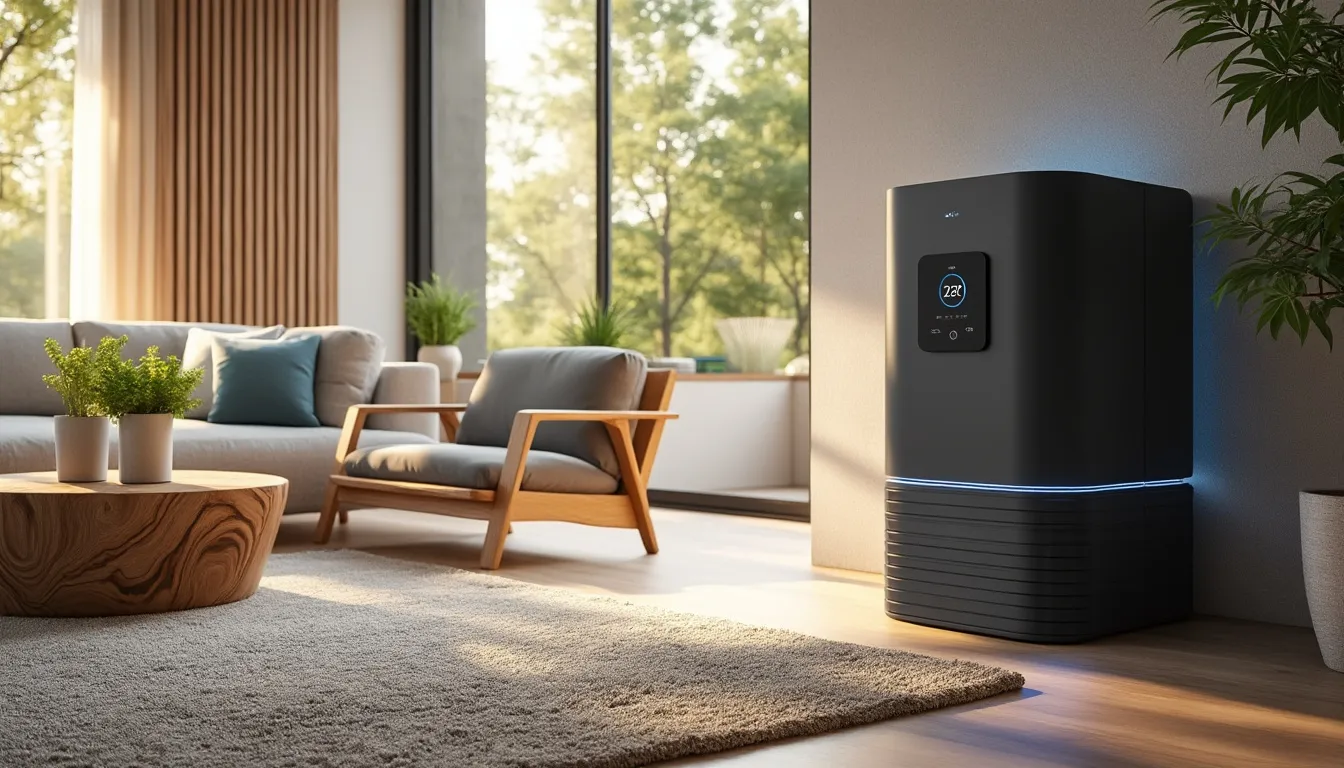
Thermal energy storage: how to optimize your heating for successful autonomy?
4 min read
In a world where clean and renewable energy is becoming a priority, thermal energy storage proves to be an essential solution for optimizing your heating. Through this article, we will explore the methods to enhance the autonomy of your heating system while reducing your carbon footprint. Whether you are a homeowner or an apartment dweller, these practical tips will consider the latest innovations in sustainable energy.
So, how can you successfully make the most of your thermal installation? Get ready to discover innovative solutions, high-performance technologies, and advice tailored to your specific needs. Let’s go!
The Fundamentals of Thermal Energy Storage
Before diving into the solutions to optimize your heating, it is essential to understand what thermal energy storage is. At its core, it involves capturing and retaining the heat generated during the use of renewable energy, particularly by using innovative systems that ensure a continuous energy supply even when weather conditions are not favorable.
The Different Types of Thermal Energy Storage
There are several methods of thermal energy storage, each with its specifics and advantages. Here are some of the most common options:
Thermal batteries: This system uses materials capable of absorbing and releasing heat, allowing energy to be stored over extended periods.
Hot water storage systems: Ideal for homes, this system uses a water tank to store heat generated by solar water heaters or boilers.
Garden greenhouses: By capturing solar energy during the day, they facilitate effective storage and the use of this heat for later heating needs.
In 2025, systems like those from Dimplex and Viessmann continue to evolve to offer even more efficient solutions. These innovations aim to improve autonomy by ensuring optimal management of stored energy.
How to Choose the Right Storage System?
To make the most suitable choice, here are some criteria to consider:
Evaluate your energy needs: Analyze your daily consumption to determine how much thermal energy you need to store.
Storage capacity: Ensure that the system you choose can meet your needs during periods of low energy production.
Durability and maintenance: Inquire about the longevity of the system and the costs associated with its upkeep.
Compatibility: Ensure that your storage solution is compatible with your existing installations, whether they are Aldes boilers or Soleil Energie solar panels.
Optimizing the Autonomy of Your Heating
To ensure optimal autonomy of your heating system, I recommend adopting several strategies that combine innovation and pragmatism. Here are some tips to consider:
Turn to Self-Consumption
Self-consumption allows you to use the energy you produce. By coupling your heating system with solar panels, you reduce your electricity bills while decreasing your dependency on the grid. With the rise of photovoltaic solutions, particularly thanks to innovations from brands like Brico Dépôt and Rexel, it is now easier than ever to achieve energy autonomy.
Install a Solar Tracking System
Solar tracking systems optimize the efficiency of your solar panels by orienting them towards the sun throughout the day. These devices act like coaches for your solar panels, maximizing their production. This allows you to increase your thermal energy storage capacity and, consequently, your autonomy.
Invest in Cutting-Edge Technology
Technological advancements are rapid, and there are numerous innovations to follow. In 2025, advancements like those proposed by Redring or players like Caleos open up new opportunities to improve heat storage. Make sure to research the latest models that enhance energy efficiency.
New Advances in Thermal Energy Storage
The thermal energy storage market is undergoing an unprecedented transformation. Emerging solutions by 2025 are changing the way we interact with energy. Here are some key trends to watch:
The Rise of Flow Batteries
Flow batteries are becoming the standard for large-scale storage. They offer greater durability and better control over energy production. With innovative systems, they represent a competitive alternative to lithium-ion batteries.
Hybrid Systems
Hybrid systems combining different technologies, such as compressed air and thermal storage, increase the flexibility of installations. This is an option to consider to optimize the use of your resources.
Technology | Advantages | Disadvantages |
|---|---|---|
Lithium-ion Batteries | High energy density , low maintenance | High initial cost, material recycling |
Flow Batteries | Longevity, adaptability | More complex installations |
Water Storage | Simple, effective for heating | Space occupation, need for additional equipment |
Integrating Energy Storage into Your Heating System
It is essential to consider how to harmoniously integrate your storage solution into your heating system. This requires careful planning but offers enormous long-term benefits.
Follow Evolving Standards and Regulations
In the context of 2025, it is crucial to stay informed about regulatory developments, particularly concerning thermal standards. This will help ensure the compliance of your installation while possibly benefiting from financial aid.
Consider Innovations in Eco-Friendly Materials
New materials are being developed to improve the efficiency of heating systems while reducing their ecological footprint. Know that choosing systems from respected brands like Viessmann or Dimplex can make a significant difference in performance and durability.
In summary, thermal energy storage offers a multitude of solutions to optimize your heating system. With technological advancements and changing consumption patterns, it is now easier than ever to integrate a sustainable and cost-effective approach to your energy consumption.
FAQ on Thermal Energy Storage
1. What is thermal energy storage?
Thermal energy storage consists of accumulating heat produced by heating systems for later use, thus reducing energy waste.
2. What types of energy storage systems exist?
The most common systems include thermal batteries, hot water storage, and even innovative solutions using garden greenhouses.
3. What is the impact of self-consumption on my energy bills?
Self-consumption can significantly reduce your energy bills by allowing you to use the electricity you produce, particularly through solar panels.
4. How do I choose a storage system suitable for my home?
Consider your energy needs, the available storage capacity, and integration with your existing systems.
5. Are flow batteries a good option for storage?
Yes, they offer sustainable and flexible storage capacity, ideal for meeting diverse energy needs.