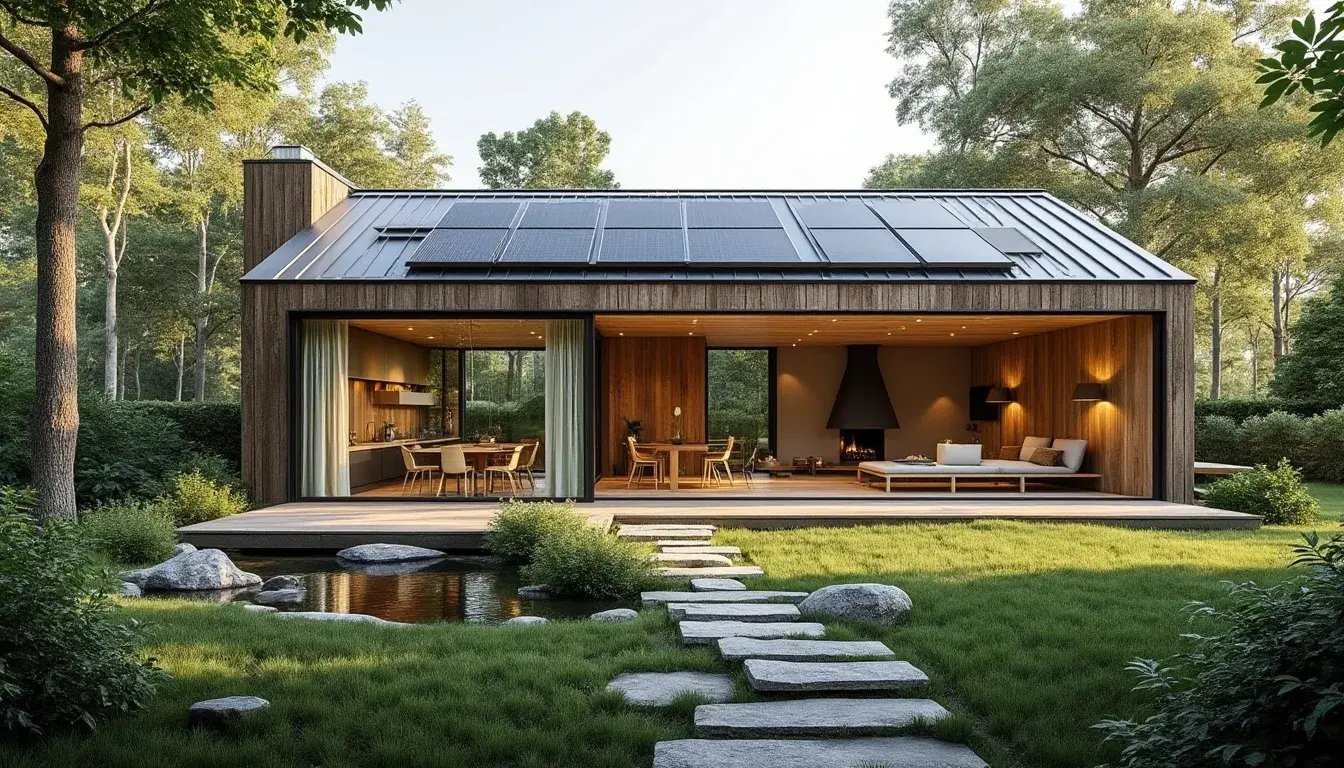
Understanding passive construction for effective minimal heating
4 min read
In a world where energy efficiency and sustainable development are becoming increasingly important, passive construction emerges as an essential solution. In 2022, nearly 20% of new buildings in France were passive houses, a strong sign of the growing awareness of the impact of our living spaces on the environment. But what exactly is a passive house? How can we successfully build a home that consumes little while ensuring thermal comfort throughout the year? This guide invites you to explore the various stages of building a passive house, from design and insulation to the integration of sustainable and efficient heating systems. Discover how to choose eco-heating and benefit from passive heat to become an active participant in this ecological transition.
The construction of a passive house: fundamental principles
For a house to be considered passive, it must adhere to specific architectural principles that promote effective eco-thermics. This involves impeccable planning, bioclimatic design, high-quality insulation, and a good ventilation system. The first step is to ensure that the house is oriented to maximize solar comfort while minimizing heat loss.
Step 1: Thoughtful design
Choosing an architect specialized in passive houses is a necessity. Optimal orientation, the correct layout of rooms, and the choice of appropriate materials are crucial. Every element must contribute to the energy performance of the building.
Orientation: The main facade should face directly south to capture the maximum amount of sunlight in winter.
Room layout: Concentrate living spaces to the south and less heated rooms to the north.
Material choice: Favor materials with high thermal inertia to store heat.
Step 2: The importance of insulation
Thermal insulation is fundamental in the construction of a passive house. High-performance materials and proper installation reduce heat loss and achieve optimal performance.
You can choose insulators such as:
Material | Performance | Particularities |
|---|---|---|
Rock wool | Excellent thermal resistance | Non-combustible, good for acoustic insulation |
Wood fiber | Good moisture regulation | Renewable material, low environmental impact |
Polyurethane | Very good thermal performance | Used for applications requiring thin insulation |
Step 3: Windows and natural lighting
The choice of windows is essential; triple-glazed windows provide enhanced insulation while taking advantage of solar gains. They must be properly installed to avoid any air leakage.
Step 4: Mechanical ventilation
A good ventilation system, such as a double-flow heat recovery ventilation, ensures quality air renewal by recovering energy from the expelled air. This technology solves condensation issues and provides healthy indoor air.
The system must be designed to avoid energy losses and ensure optimal comfort in all rooms.
Sustainable materials and their importance in passive construction
Choosing eco-friendly construction materials is essential to maximizing the durability of your passive house. The idea is to reduce the carbon footprint while ensuring optimal performance in terms of insulation and comfort.
Bio-sourced materials: Using materials like wood wool or hemp, which are good for the environment.
Recycled materials: Recycling construction materials to minimize waste.
Smart systems: Integrating home automation systems for more efficient energy management.
Energy management with appliances
The appliances must also be chosen based on their energy efficiency. Opt for A+ class appliances.
Here are some suggestions:
Refrigerator: Class A+++ for minimal electricity consumption.
Washing machine: Low water and electricity consumption system.
Water heater: Integrated thermodynamic systems to maximize efficiency.
Summary table of materials and their characteristics
Material | Main characteristic | Common use |
|---|---|---|
Wood wool | Thermal insulation, humidity regulation | Walls, roofs |
Cellulose wadding | Good value for money | Insulation of attics |
Cellular concrete | High thermal inertia | Load-bearing walls |
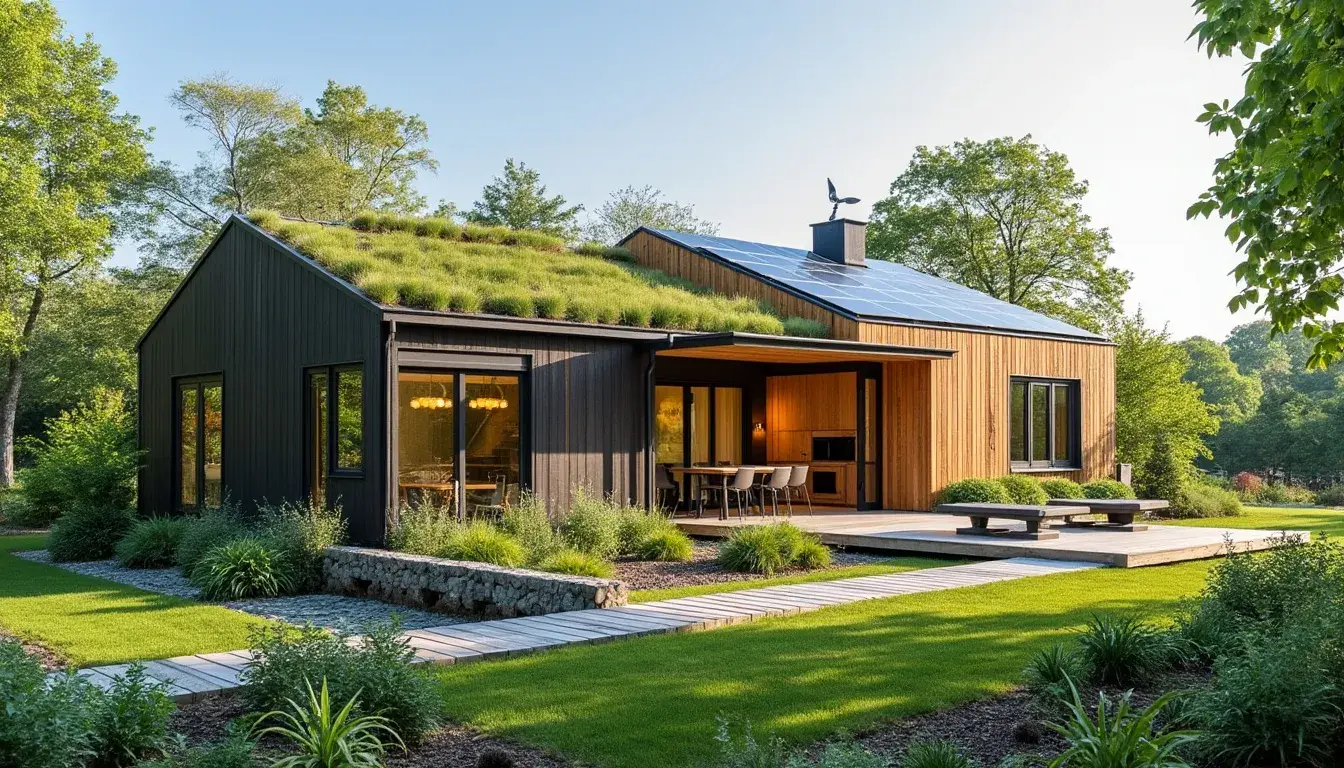
The choice of heating in a passive house
The choice of heating system is crucial in a passive house. The goal is to minimize heating needs through effective bioclimatic design and integrate sustainable solutions.
Heat pumps: an effective solution
Heat pumps (HP) are ideal systems for passive heating. They draw energy from the air, water, or ground, allowing for very low electricity consumption.
Solar heating
Solar heating, through photovoltaic panels or thermal collectors, is also an option to consider. It allows for the generation of renewable energy to supply heating and electricity.
Table of recommended heating systems
Heating system | Advantages | Disadvantages |
|---|---|---|
Heat pump | Energy efficiency, low carbon footprint | High installation cost |
Solar heating | Renewable energy, low operating cost | Weather dependence |
Electric inertia heating | Thermal comfort, easy to install | Variable electricity costs |
The quality of indoor air and thermal comfort
In a passive house, thermal comfort is as important as energy efficiency. By following these principles, you ensure not only reduced energy bills but also a better quality of life:
Integrate a controlled mechanical ventilation system to ensure fresh and healthy air.
Use non-emissive materials to preserve indoor air quality.
Install filtration systems to prevent the intrusion of dust and pollutants.
FAQ on passive construction
What is a passive house?
A passive house is a building that consumes very little energy (less than 15 kWh/m²/year for heating) due to enhanced insulation, quality ventilation, and strategies that maximize solar gains.
What materials are recommended for a passive house?
It is advisable to use insulators like wood wool or cellulose wadding, sustainable and renewable materials that ensure good thermal performance.
What is the cost of building a passive house?
The initial cost may be 10 to 20% higher than for a traditional building, but the energy savings achievable in the long term make this investment worthwhile.
What heating systems are the most effective?
Heat pumps and solar heating are often regarded as the most effective for a passive house, as they utilize renewable energy sources.
How can I obtain financial assistance for building a passive house?
Government aids like MaPrimeRénov’ and local grants are available to support ecological construction projects. Check with organizations in your region.