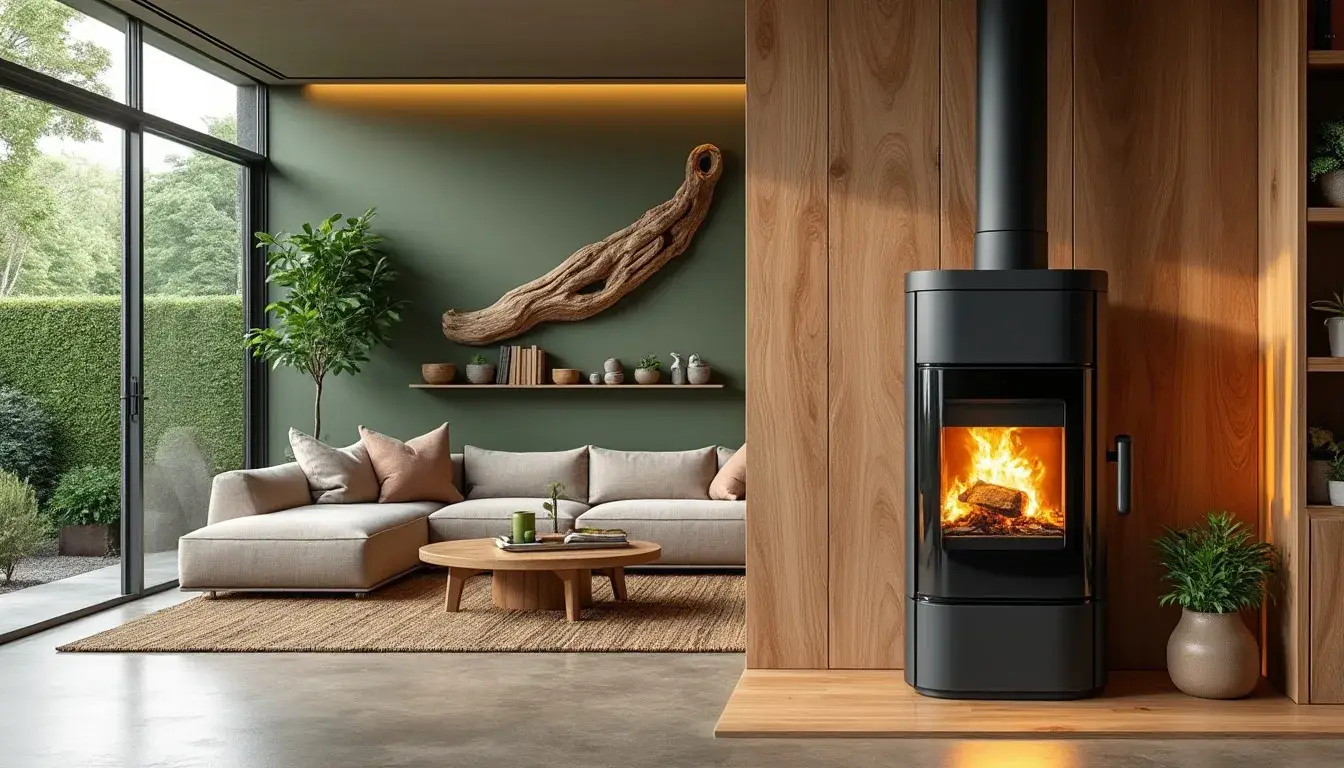
Mass stove: performance and ecology, a winning duo in 2025
6 min read
In a world facing numerous environmental challenges, the search for sustainable energy solutions is becoming a priority. In 2025, wood as an energy source shows increasing interest, particularly through mass stoves. With an approach combining performance and ecology, these heating systems position themselves as a relevant response to energy consumption issues, representing 66% of household needs, according to ADEME.
This choice goes beyond mere comfort. By opting for wood heating, one actively participates in the transition to renewable energies, thereby reducing the carbon footprint. The mass stove, often regarded as the pinnacle of wood heating systems, stands out particularly for its efficiency and cleanliness.
The mass stove: an unprecedented ecological performance
The mass stove, which operates through optimized combustion, appears as one of the most ecological ways to heat. Indeed, it typically uses wood as fuel, a material that, when well-managed, constitutes a renewable resource. According to the report from INRA and IGN, wood represents a true weapon against climate change. It is an energy source that, when burned, simply returns the carbon it stored while growing.
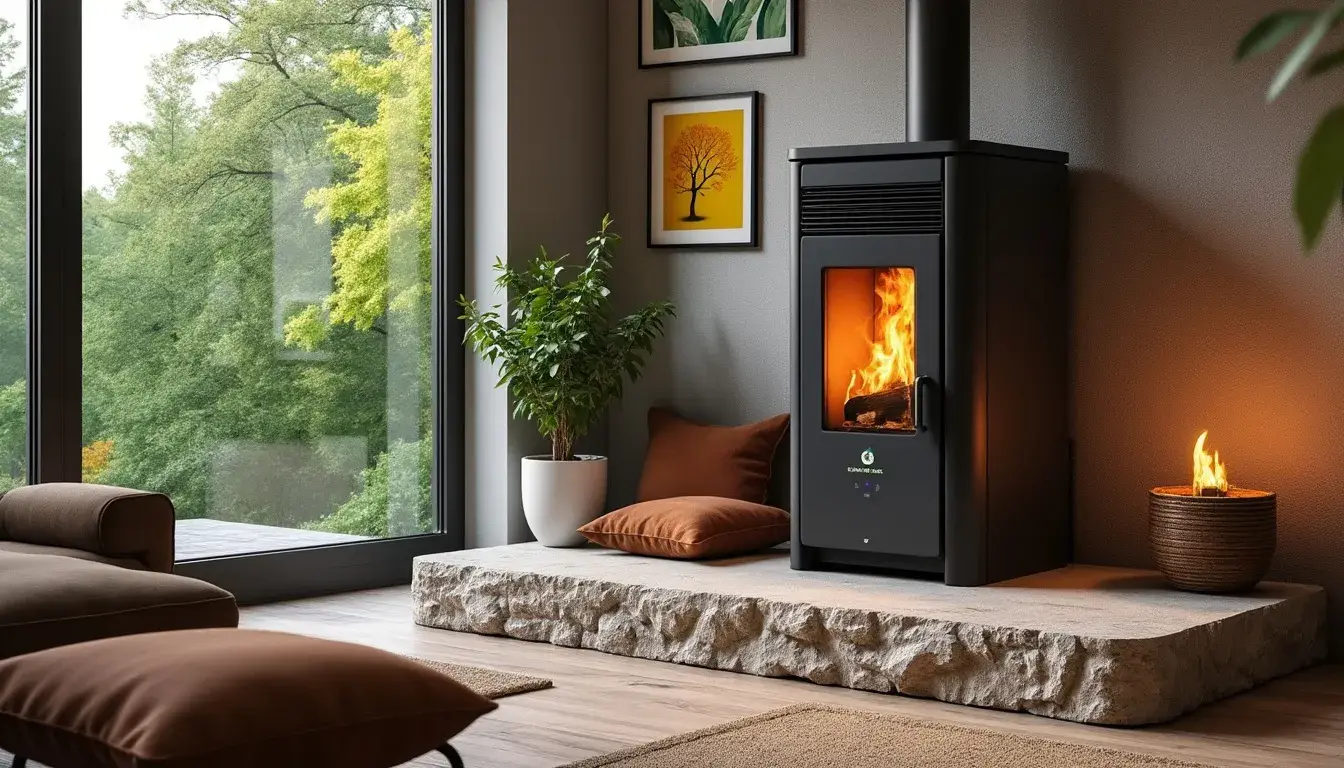
Here are some reasons why investing in a mass stove is a wise decision:
Superior performance: The mass stove typically consumes 50% less wood than a conventional wood stove while offering better thermal efficiency.
Clean combustion: Its combustion is complete, resulting in fewer emissions of tar, fine particles, and carbon monoxide.
Long-term savings: Its efficiency allows for a reduction in heating costs, resulting in long-term savings.
How a mass stove works
The operation of a mass stove relies on the accumulation of heat by its materials. By burning a large quantity of wood at very high temperatures, the system allows for heat release over 12 to 24 hours. Hot smoke circulates through internal ducts, transferring its energy to refractory bricks that act as thermal batteries.
Advantages and disadvantages to consider
Turning to a mass stove means considering a heating system that has its own particularities. The advantages are numerous, but it is also crucial to consider potential disadvantages:
Advantages | Disadvantages |
|---|---|
Very efficient with a 90% yield | High initial installation cost |
Ecological and minimal emissions | May require presence during ignition |
Comfortable due to diffused heat | No continuous flame |
Autonomous in electricity | Learning needed for optimal operation |
In this heating ecosystem, the mass stove stands out particularly from the pellet stove, which is often less suitable for open or old spaces. Its installation also requires specific skills to ensure an effective setup that takes into account the specifics of the house.
Many users report their satisfaction with this heating system. They describe a gentle warmth, akin to that of the sun, and often come away enchanted by the zen atmosphere it brings to their home. However, installation costs can be prohibitive without the help of financial support devices available for those embarking on energy renovation.
The cost of a mass stove and available aids
One of the main barriers to adopting a mass stove remains its cost. Prices can vary greatly, from €4,000 to €10,000 excluding VAT, depending on the model and installation specifics.
Average prices of mass stoves
Basic models: Between €4,000 and €6,000 excluding VAT.
High-end models: Between €7,000 and €15,000 excluding VAT, depending on the complexity of the installation.
However, several financing options exist to recoup part of these expenses, such as energy bonuses or tax credits for energy transition. For example:
MaPrimeRénov’: A financial aid for the renovation of heating systems.
CEE bonuses: These are awarded based on the energy performance of the installed system.
To optimize costs, it is recommended to consult multiple professionals to explore various technical solutions. Platforms like Twiza facilitate connections with certified local craftsmen, making it easier to obtain competitive quotes.
Investing in a mass stove: long-term and comfort
In addition to contributing to a better future for our planet, choosing a mass stove is opting for superior comfort. Homeowners often report a significant reduction in their heating bills while maintaining a pleasant warmth throughout the day.
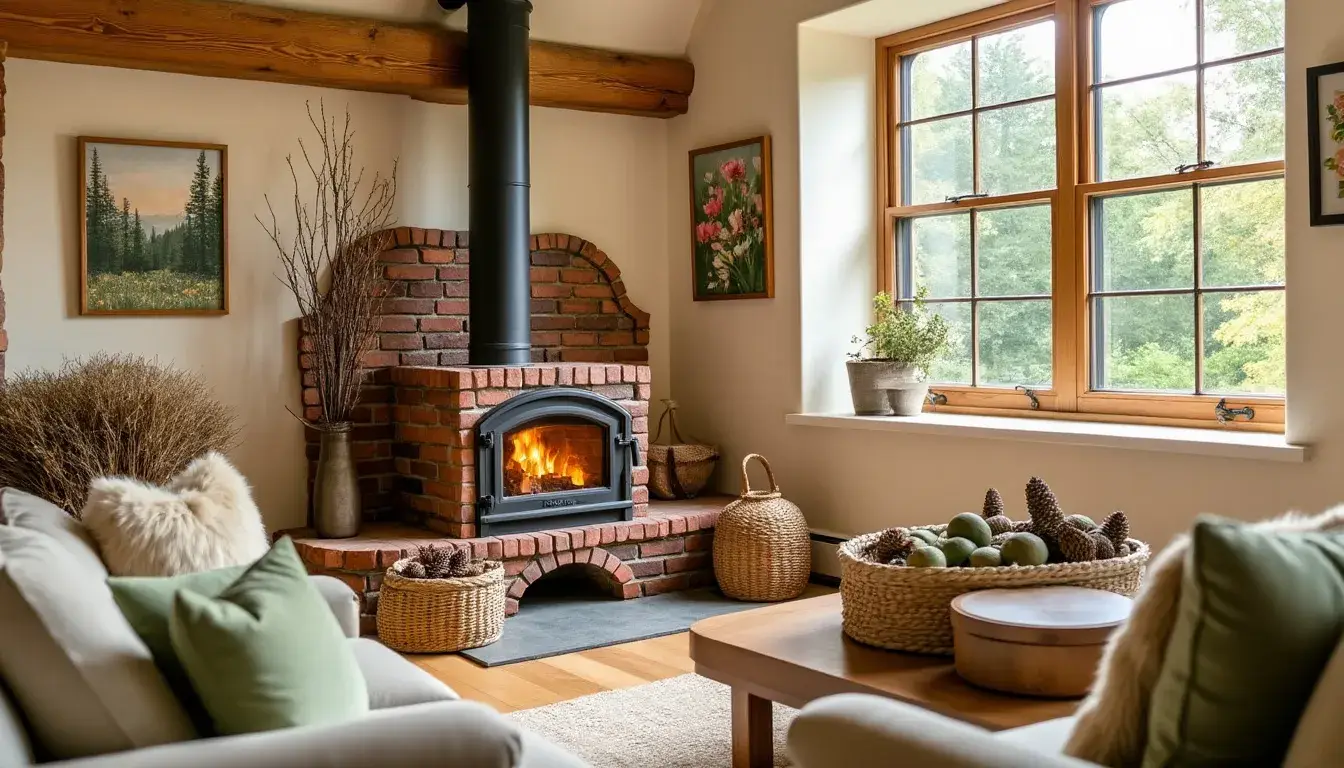
The practical aspects of a mass stove
Installing a mass stove is not just about making an expensive purchase; it also includes a commitment to maintenance and use. Here are several points to consider.
Maintenance and daily use
Preparation: Before each burn, the stove must be cleaned, and ashes evacuated.
Ignition: Using well-dried wood is crucial for ensuring good performance.
Frequency of burns: Depending on outside temperatures, one to two burns per day are sufficient.
Maintenance should be regular and may include routine chimney sweeping. In general, setting up a mass stove requires little maintenance, once the heat accumulation process is well understood.
User experience: comfort and warmth
Users of mass stoves particularly appreciate the gentle and even heat they provide. Unlike convection heating, where heat can be very aggressive, the mass stove creates a cozy ambiance that seems to envelop the occupants.
To better understand their experience, here are some elements shared by users:
Thermal comfort: An appropriate thermal transition between different rooms.
Absence of noise: Users appreciate the silence of the stove, especially compared to air heating systems.
Pleasant warmth: A sensation of soft heat without drying out the air.
The pleasure of using this type of heating is enhanced by a heating duration that can extend up to 24 hours, making thermal management much less burdensome than other types of heating.
The different types of mass stoves
There are several types of mass stoves, each with its specifications. Here is an overview of the available options:
Type of stove | Main characteristics | Approximate cost |
|---|---|---|
Masonry stove | Custom-made, suited to your interior, unique aesthetics | €6,000 - €12,000 excluding VAT |
Prefabricated stove | Standard series, cheaper, quick installation | €4,000 - €8,000 excluding VAT |
Combined stove (wood + pellets) | Versatile, performance adjustable according to needs | €8,000 - €15,000 excluding VAT |
Whichever model you choose, it is essential to understand the implications of such an investment, particularly through analyzing your energy needs and also the support of professionals in the field of ecological heating.
Towards green heating with the mass stove
By challenging the limits of our traditional concept of heating, mass stoves have proven to be a sustainable alternative. Integrating a mass stove into your home can mean one thing: a future where energy is greener, cleaner, and where your impact on the planet is reduced.
Investing in installations like EcoPoêle or Innov'Chaleur allows one to benefit from technological advancements while complying with ecological performance requirements. More than just a heating choice, it is a thoughtful option in favor of our environment.
The impact of such a decision goes beyond mere economic considerations. It also concerns quality of life, comfort, and well-being within our home.
So, are you ready to take the step towards change? The solar warmth and eco-comfort that mass stoves can offer are waiting for you. Think about a harmonious home, where every room breathes warmth and well-being.
FAQ
What is a mass stove?
A mass stove is a heating system using wood as fuel. It is designed to accumulate and release heat over long periods, thereby maximizing energy efficiency.
What is the installation cost of a mass stove?
The cost of a mass stove can range from €4,000 to €10,000 excluding VAT, depending on models and installation specifics.
Are mass stoves ecological?
Yes, mass stoves are very ecological because they use wood, a renewable energy source, and their combustion is generally cleaner than other heating systems.
What are the advantages of a mass stove?
Among the advantages are high efficiency, gentle and pleasant warmth, as well as reduced heating costs over the long term.
How to maintain a mass stove?
Regular maintenance is necessary: cleaning the ashes before each burn, checking the ducts, and performing annual chimney sweeping is recommended to ensure proper operation.