
Gas heating supplement: advantages and disadvantages to consider
4 min read
The choice of an appropriate heating system is essential to ensure the comfort of your home, especially when temperatures begin to drop. In 2025, as energy efficiency and environmental respect are more relevant than ever, standalone gas heaters position themselves as a pragmatic solution. This article offers you to discover the multiple facets of this option, highlighting both its benefits and drawbacks, as well as the criteria to consider for its installation.
Overview of standalone gas heating
Standalone gas heating often takes the form of mobile devices powered by gas bottles, primarily butane. Easy to use, they are less expensive to purchase and can quickly warm up a room. This device is therefore often recommended for emergency situations, for localized heating, or for occasional use. But what are the real advantages of this type of heating and in what situations can it really make a difference?
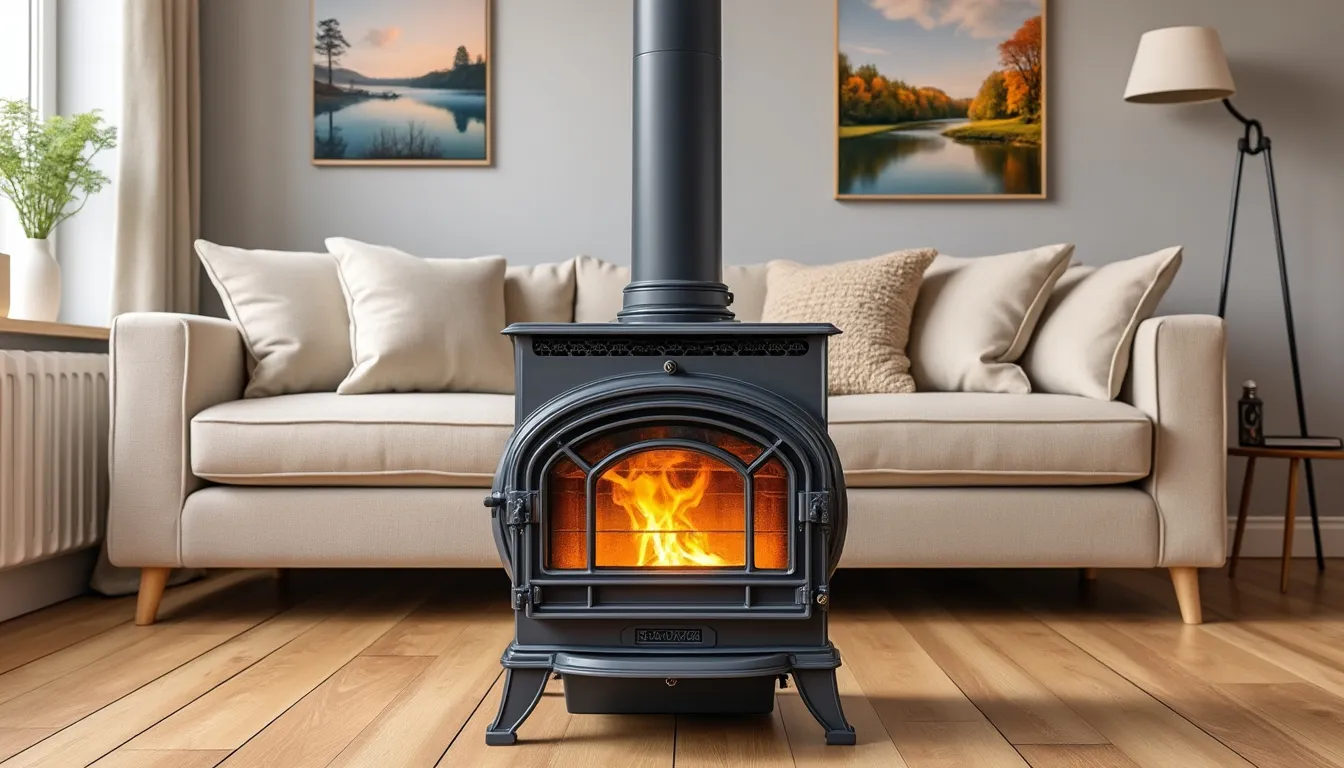
Advantages of standalone gas heating
Let’s first talk about the benefits. A standalone gas heater offers a number of advantages, making this type of heating particularly interesting for consumers:
Mobility: The devices are often equipped with wheels, allowing them to be easily moved from one room to another according to your needs.
Economy: Modern models can be very economical, providing appreciable warmth at a modest cost.
Quick action: This type of heating allows for rapid warming of a room, thus meeting heat needs when you need it most.
Outdoor use: Due to their design, some models are also suitable for outdoor use, for example, on a terrace or during outdoor events.
Autonomy: The devices have good autonomy, allowing extended use.
Disadvantages to consider
It is also useful to consider the disadvantages that accompany the use of standalone gas heaters. Here are some critical points to keep in mind:
Air pollution: Although less intensive than other systems, these devices can emit pollutants. Good ventilation is therefore necessary.
Humidity issues: Some models tend to dry out the ambient air, which can be problematic for individuals sensitive to allergens.
Safety risks: Even though many safety advances have been made, precautions should be taken to avoid dangerous situations, especially in confined spaces.
Maintenance required: These devices should be checked regularly to ensure proper functioning. Inappropriate maintenance can lead to accident risks.
Applications and optimal use of standalone gas heating
There are several scenarios in which a standalone gas heater becomes essential. Here are some of its most common applications:
Usage scenario | Description |
|---|---|
Temporary replacement of the main heating | In case of a breakdown, it can provide quick relief. |
Transitional season heating | Ideal for transition days when the central heating is not yet running. |
Outdoor use | Perfectly suitable for outdoor events, such as receptions or barbecues. |
Workshop or garage | Occasional heating for workspaces not connected to central heating. |
How to install a standalone gas heater?
The installation of a standalone gas heater is generally easy. Indeed, it is enough to place it in the desired room and connect it to a butane gas bottle. Here are some tips to ensure a safe installation:
Make sure to install the device in a well-ventilated area to avoid any risk of carbon monoxide poisoning.
Avoid moving the appliance while it is in use. Ensure that it is turned off and cooled down before moving it.
Opt for small gas bottle models, which are easier to handle if you wish to frequently change the device's location.
It is advisable to have the appliance checked by a professional for safe use.
Did you know? Thanks to the Coup de Pouce Chauffage device, you could benefit from grants to replace an old heater with a more efficient model.
Comparison with other heating systems
Although standalone gas heating has advantages, it is also important to compare it with other systems such as condensation boilers from renowned brands like De Dietrich, Saunier Duval, and Chaffoteaux. Depending on specific needs, here are elements to consider:
Heating system | Installation cost | Energy efficiency | Risk of breakdown |
|---|---|---|---|
Standalone gas heating | Starting from €50 | Moderate | High |
Gas condensation boiler (e.g., Vaillant, Buderus) | Between €2000 and €4000 | High | Moderate |
Electric heating (e.g., Ferroli, Frisquet) | Starting from €100 | Variable (often low) | High |
Heat pump (e.g., Atlantic, Ariston, Immergas) | Starting from €8000 | Very high | Low |
Each heating system thus has its specifics, and the choice should be made thoughtfully based on your habits and needs.
FAQ about standalone gas heating
What is the autonomy of a standalone gas heater?
Autonomy depends on the model and size of the gas bottle used. On average, a 13 kg bottle can last from a few hours to several days depending on usage.
Is standalone gas heating dangerous?
Like any combustion appliance, a standalone gas heater can pose risks if not used properly. Ensure you have good ventilation and regularly check your appliance.
Can it be used in a bathroom?
It is advisable to avoid installing a standalone gas heater in confined and humid spaces, such as a bathroom, due to the risks of poisoning and accidents.
What costs are associated with using a standalone gas heater?
Costs will vary depending on your gas consumption and the prices charged by your supplier. Generally, this remains lower than other heating systems in the long run.
Can standalone gas heating replace a central heating system?
No, it cannot fully replace a central heating system, as it is not sufficient to heat large spaces uniformly.
In summary, standalone gas heating offers a flexible and suitable solution for different contexts, but it is essential to thoroughly evaluate its advantages and disadvantages before making an informed choice. Considering the innovations and technological advancements of 2025, this device remains a tool to consider to ensure your thermal comfort.