Photovoltaic self-consumption for economical electric heating
4 min read
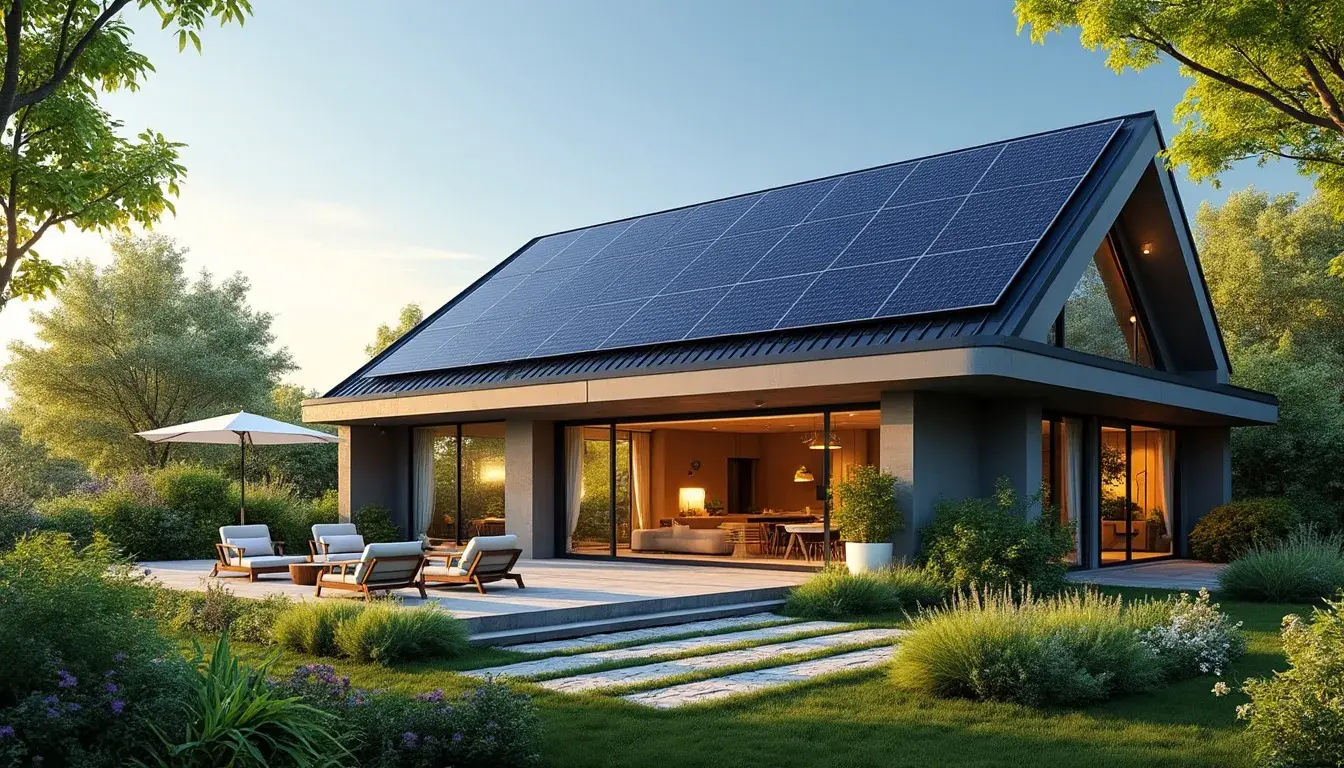
Self-consumption of photovoltaic energy represents a growing opportunity for households looking to save on their energy bills while contributing to a more sustainable future. In 2025, this mode of energy production and consumption proves to be an attractive alternative in the face of soaring electricity prices. By integrating photovoltaic panels into their daily lives, the French learn to harness solar energy, thereby transforming their roofs into revenue generators while reducing their carbon footprint.
Understanding self-consumption and its benefits
With the constant rise in electricity costs, self-consumption emerges as an essential solution for consumers concerned about controlling their energy budget. French legislation, through the law of February 24, 2017, has paved the way for this practice, allowing individuals to install photovoltaic systems in their homes to produce and consume their own electricity.
Here are some notable advantages:
Saving on electricity bills: By producing their own electricity, a household can reduce its bill by approximately 30 to 50% depending on its consumption.
Reduction of carbon footprint: Using solar energy decreases dependence on fossil fuels, thus contributing to the fight against climate change.
Energy security: By becoming self-sufficient for part of its electricity needs, a household protects itself against price volatility.
The evolution of the market and new solutions
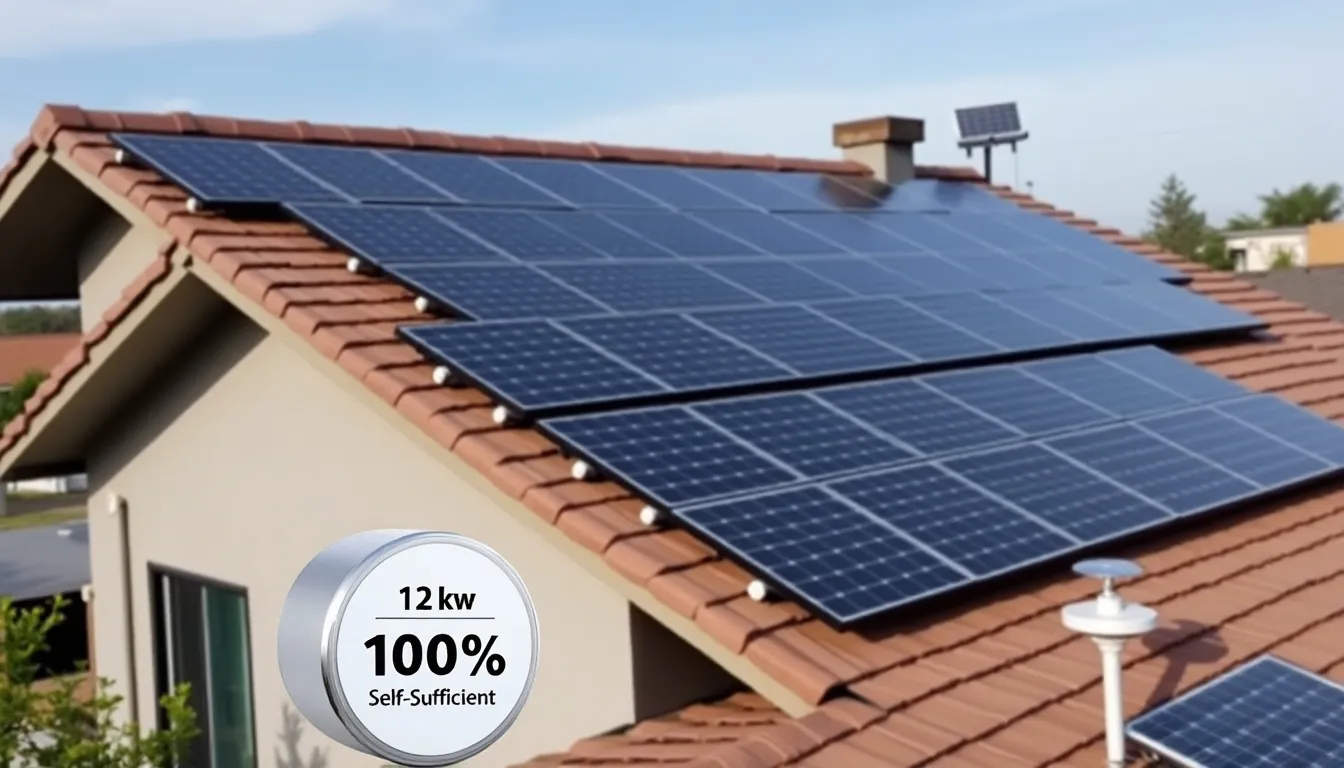
In 2023, Enedis, the network operator, reported nearly 387,000 solar installations in France, nearly double the number from the previous year. This momentum is driven by the growing demand for more accessible installations tailored to the specific needs of users. The solar energy sector is booming, with varied offers now allowing a greater number of households to benefit from solar energy advantages.
Solutions are becoming more diverse, ranging from solar kits to advanced technology. Companies like EcoSun offer turnkey systems, making this technology more accessible. This type of solution, often referred to as Photovoltaic Economy, also adapts to production patents, allowing for skill enhancement and adaptability for users by adding additional panels based on their budget.
Installation of panels and profitability
When installing photovoltaic panels, several criteria influence their profitability. For a house equipped with 3 kWc, typically using 8 panels of 375 Wc, the estimated annual production is between 2,700 and 4,200 kWh. The electricity needs of an average French household are roughly estimated at 4,679 kWh per year, which means that self-consumption can significantly help reduce bills.
Type of installation | Average cost (€) | Annual production (kWh) | Estimated annual savings (€) |
|---|---|---|---|
Roof-mounted panels | 9,000 - 13,000 | 2,700 - 4,200 | 350 - 560 |
Ground solar kits | 1,900 (3 panels) | 1,275 - 1,800 | 150 - 250 |
Photovoltaic panels: between technologies and economy
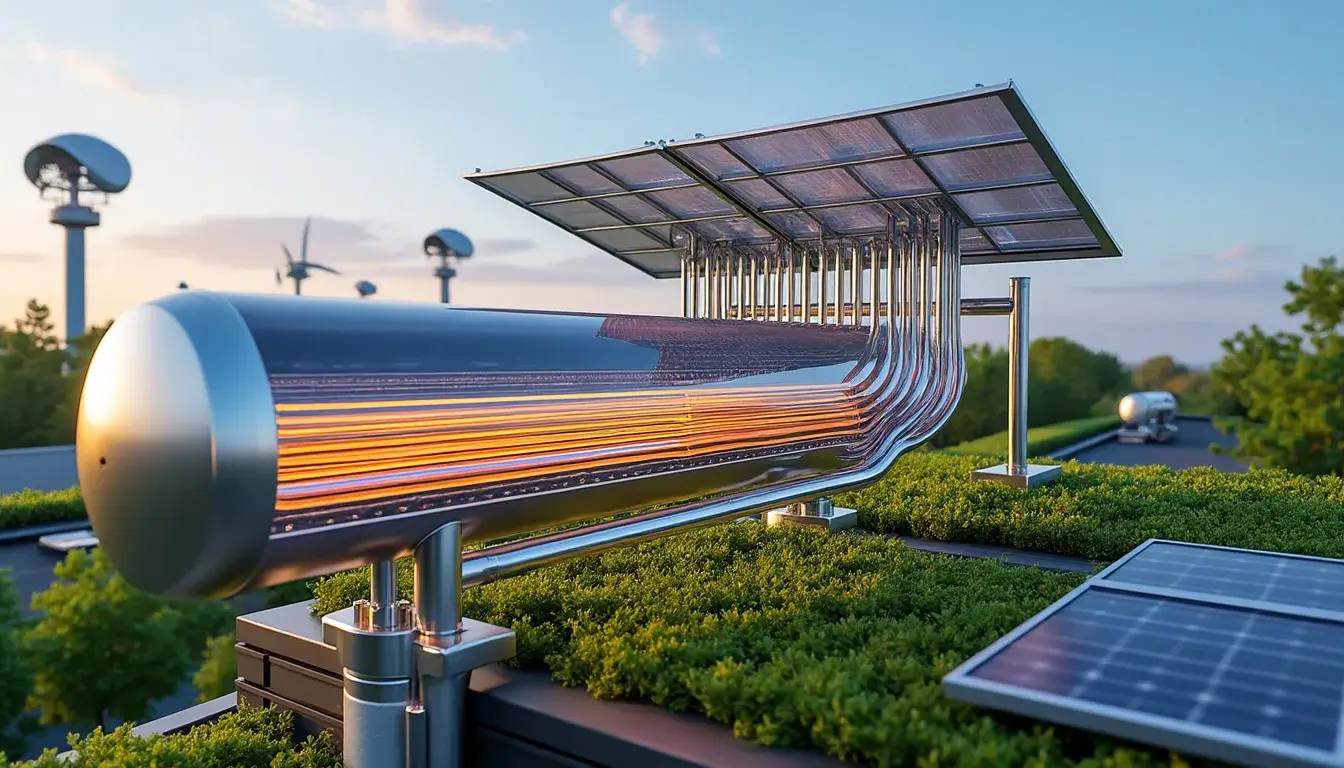
The diversity of technologies available on the market isolates key elements for green heating projects. In scrutinizing which solutions promote solar energy production, it is essential to adhere to relevant selection criteria. Thermal photovoltaic panels prove to be a more efficient option for producing and consuming hot water by integrating effective heating into their operation.
Here are the main points to consider when choosing a photovoltaic system:
Type of panels: Choose between monocrystalline and polycrystalline panels, depending on your budget and efficiency needs.
Orientation and tilt: Adapting the position of your installation can significantly influence energy production.
Professional installer: Favor recognized and certified companies for quality and durable installations.
Towards an integrated heating system
Photovoltaic systems contribute not only to electricity consumption but can also power efficient heating systems, making households increasingly energy autonomous. In this context, the concept of eco-heating emerges as an attractive solution, combining solar energy production and efficient heating to optimize energy resource management in a home.
Subsidies and financial aid for solar installation
To promote the transition to renewable energies, the government provides several financial aids. In 2025, various subsidies help support households in their ecological efforts.
Let's take the example of these aids:
Conversion bonus: This aid encourages energy renovation efforts by financing part of the work.
Tax credit: It helps reduce the installation cost of renewable energy systems.
Zero-interest eco-loan: A loan to be repaid without interest for those wishing to invest in ecological heating equipment.
Aid | Maximum amount (€) | Conditions |
|---|---|---|
Conversion bonus | 2,000 €/household | Upon presentation of quotes and invoices |
Tax credit | 30% of installation cost | Work performed by a professional |
Zero-interest eco-loan | Max 30,000 € | For a comprehensive energy renovation |
The challenges of a successful energy transition
The transition to solar energy is not limited to installing photovoltaic panels. It represents a real cultural shift regarding our relationship with energy. By June 2025, it is crucial to consider the following aspects during this evolution:
Here are some challenges to be met:
Education and awareness: Better understanding of ecological issues and sustainable solutions encourages responsible behaviors.
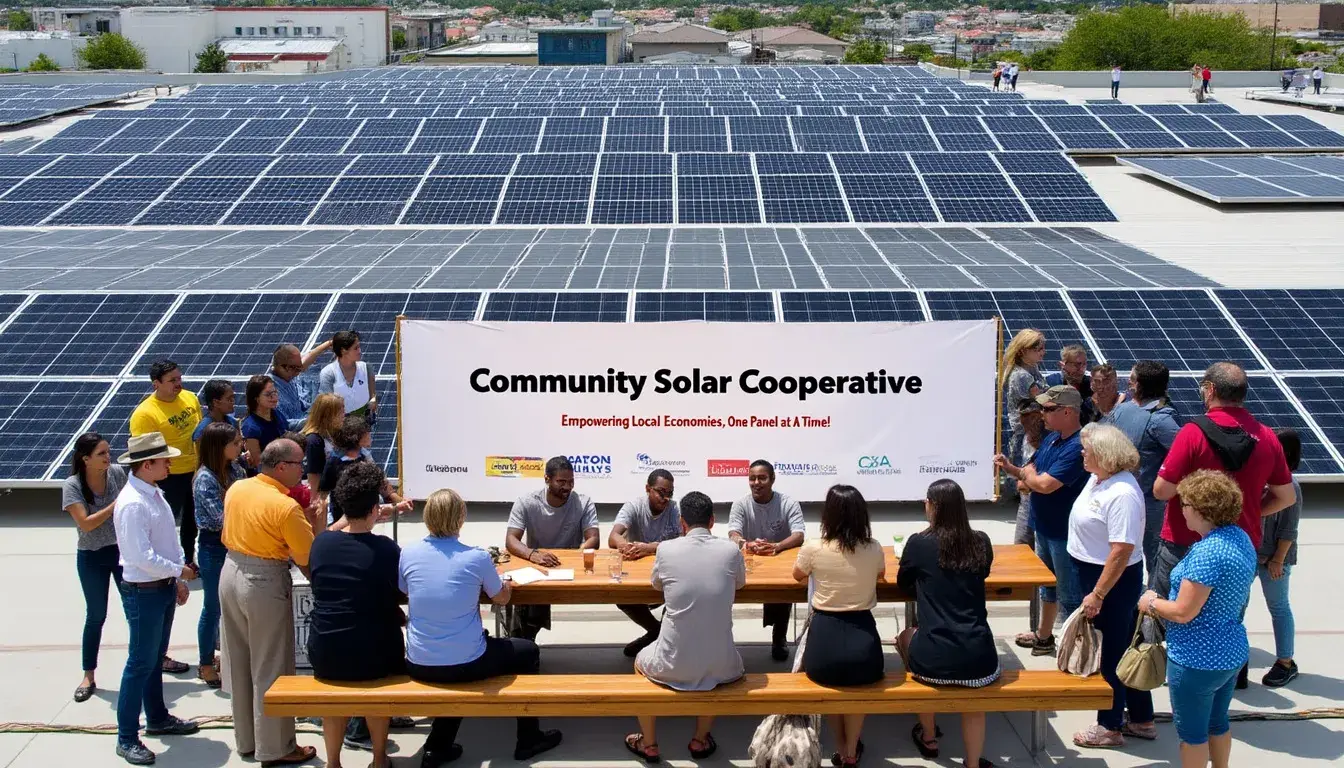
Local economy: Investing in renewable energy solutions contributes to the resilience of the regional economy.
Research and innovation: Encouraging innovation to develop even more efficient systems that meet user needs.
FAQ
What are the typical costs of a solar panel installation?
The installation costs of a photovoltaic system generally range between €9,000 and €13,000 for a standard installation. However, less expensive options exist, such as ground solar kits starting at €1,900.
What are the advantages of solar self-consumption?
Self-consumption allows for significant reduction in electricity bills, increases the energy autonomy of the household, and contributes to environmental protection.
What financial aids are available for solar panel installation?
There are several aids, such as conversion bonuses, tax credits, and zero-interest eco-loans, that help finance the installation of renewable energy systems.
Is it possible to make a solar installation profitable?
Yes, depending on the configuration and use of the produced energy, many installations can pay for themselves within 4 to 7 years.
What types of solar panels help with hot water supply?
Solar thermal panels are specifically designed to produce hot water supply and represent a promising option within a green heating system.