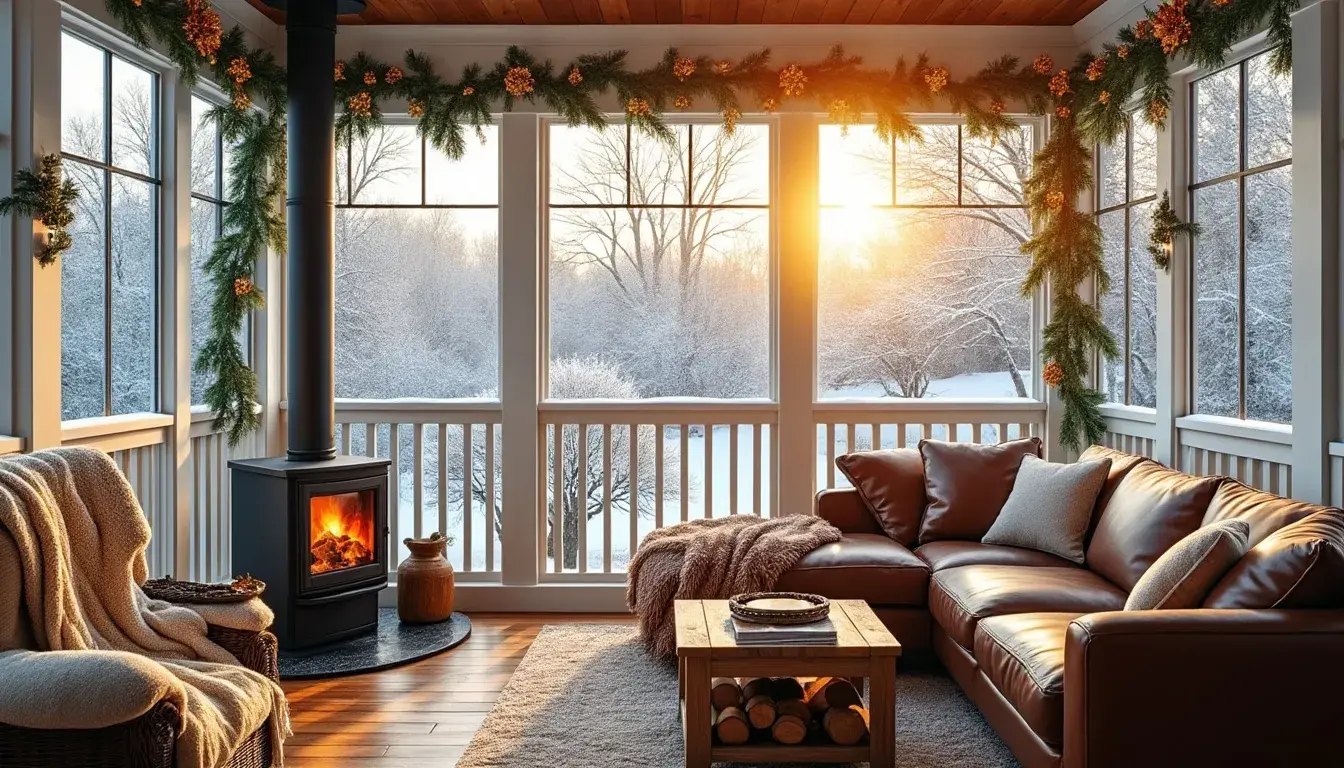
Veranda heating in winter: economical solutions for optimal comfort
4 min read
As winter sets in, the question of comfort in conservatories becomes crucial. Much more than a simple extension of your home, this space can become a warm and pleasant refuge, even on the coldest days. However, to fully enjoy your conservatory, an appropriate heating system is essential. In this article, we will explore the various heating solutions available for this space, taking into account costs, energy efficiency, and environmentally friendly options. We will also discuss the importance of good insulation to maintain optimal thermal comfort throughout the year. Whether you are a plant enthusiast, an amateur reading in the winter sun, or simply in search of a functional room, you will find here the advice suited to your needs.
Understanding the heating needs of a conservatory
Heating a conservatory is not just a matter of putting in a radiator. This space, often equipped with large glazed surfaces, is particularly vulnerable to temperature variations. Indeed, without effective heating, it can quickly become unbearable in winter. In addition to human comfort, a good heating system also protects your plants and furniture from the harmful effects of the cold.

Factors influencing heating choice
Insulation: The quality of your conservatory's insulation is paramount. A well-insulated conservatory requires less energy to heat.
Regular use: If you frequently use your conservatory, investing in a more efficient heating system is essential.
Energy costs: Assess your budgetary capacity regarding energy consumption and choose a suitable system.
Ecology: Evaluate the environmental impact of your heating source, as options like green or solar heating can be more sustainable.
Electric heaters: a quick and practical solution
Among the various systems available to you, electric heating stands out for its speed and ease of installation. These devices, like models from recognized brands such as Dimplex or De'Longhi, allow for instant warming of the space. However, it is crucial to take their often high consumption into account over the long term.
Type of electric heating | Advantages | Disadvantages |
|---|---|---|
Inertia heaters | Heat retention and even distribution | Higher initial investment |
Convector heaters | Quick and easy installation | High electricity consumption |
Inertia and radiant heaters: controlled consumption
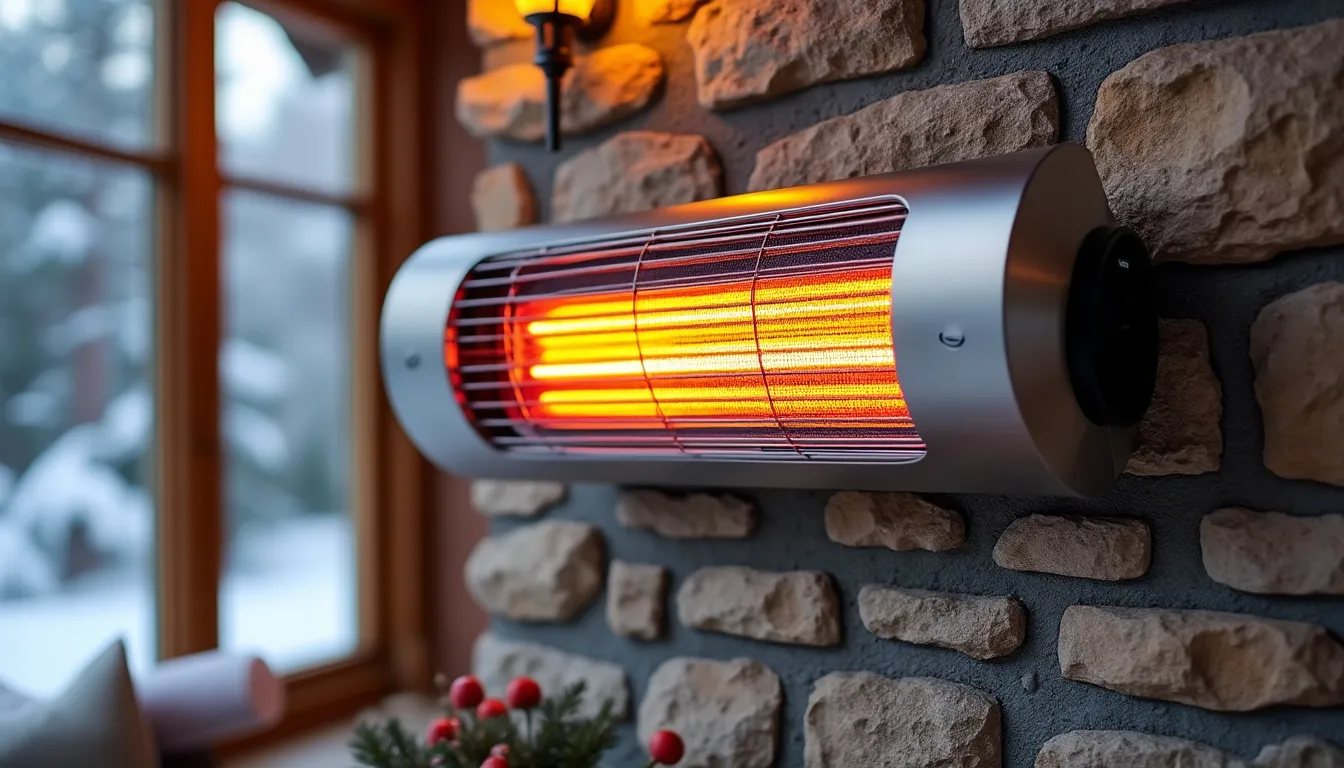
Inertia or radiant heating systems are excellent options for medium-sized conservatories. Thanks to their ability to maintain a gentle and constant heat, they offer optimal comfort and generally consume less energy. Indeed, these devices help reduce the number of heating cycles, which is an advantage for those looking to control their energy costs.
Why choose inertia heating
Energy savings: Fewer temperature fluctuations lead to reduced energy bills.
Increased comfort: The diffuse heat is felt evenly, increasing the comfort of the occupants.
Ideal for spacious conservatories: These systems are particularly suitable for large spaces, ensuring uniform heating.
Radiant heating as an effective alternative
This type of heating has the advantage of directly warming objects and people in the room rather than the ambient air. This can be particularly effective in a conservatory with significant glazing, where heat can be rapidly diffused. When combined with solutions like underfloor heating, this maximizes comfort while minimizing heating costs.
Optimizing the energy efficiency of heating in your conservatory
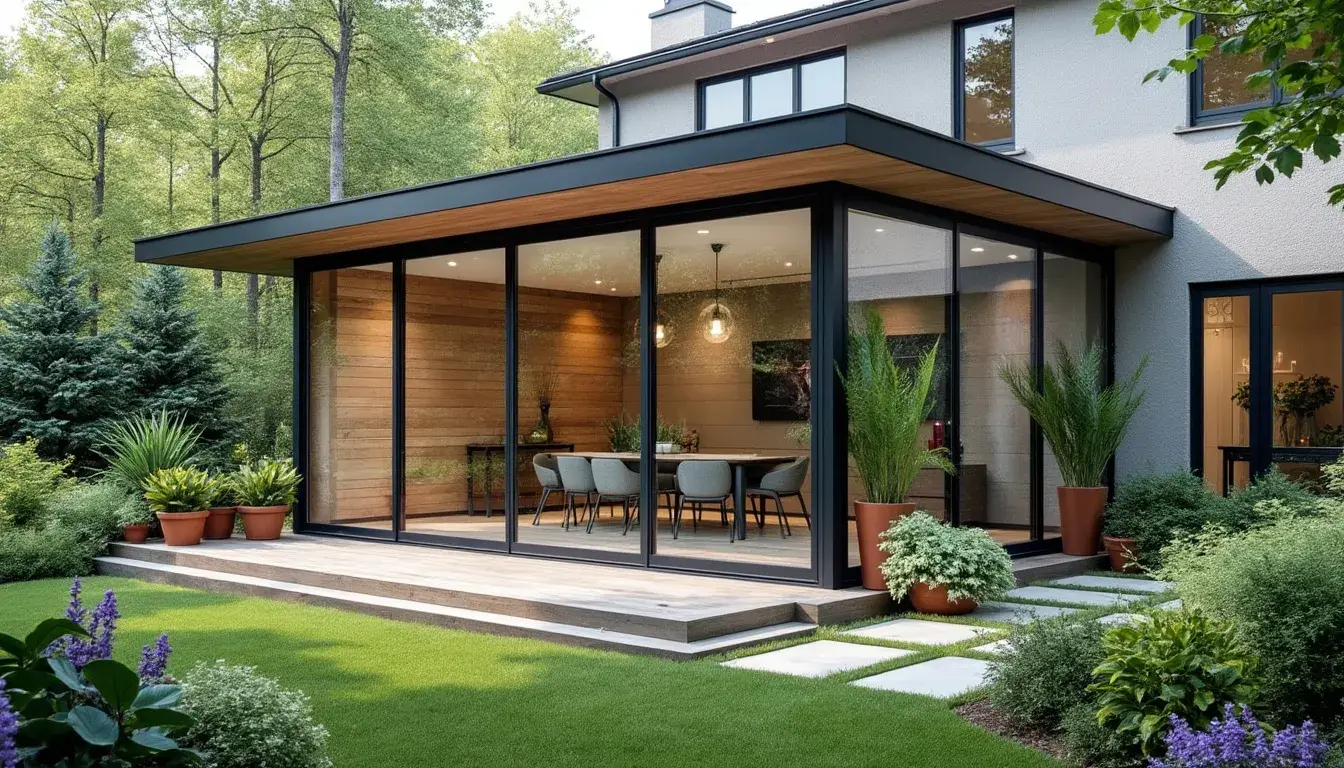
To ensure that your heating system operates at full capacity, it is imperative to optimize energy efficiency. Good insulation plays a crucial role in this process, as it prevents heat from escaping. In 2025, technological advancements continuously improve the energy performance of heating systems, making investing in quality devices more appealing.
The importance of insulation to limit heat loss
Wall insulation: Use insulating panels to prevent thermal losses.
Double glazing: Equip your conservatory with performance glazing to retain heat.
Orientation: Choose a south-facing orientation to maximize solar gain, thus reducing the need for additional heating.
Connected heating for precise temperature control
With the emergence of connected technologies, controlling the temperature of your conservatory from afar becomes a reality. By using devices such as a smart thermostat, you can adjust the heating according to your specific needs. This not only allows for savings but also ensures a constant comfort in your space.
Eco-friendly and alternative heating solutions for your conservatory
More and more, homeowners are looking for sustainable alternatives to heat their conservatories. Whether it is wood stoves, solar heating systems, or solutions such as Green Heating, eco-friendly options are gaining popularity.
Type of eco-friendly heating | Advantages | Disadvantages |
|---|---|---|
Wood stoves | Natural warmth and a cozy atmosphere | Require good smoke evacuation |
Solar heaters | Sustainable and low-cost in the long term | High initial investment but cost-effective |
Optimizing passive heat gain
Maximize sun exposure: Use sunlight to naturally heat your conservatory.
Performance glazing: Using insulating glazing is essential for retaining heat.
Plant integration: Strategically placed plants can help retain heat and enhance the ambiance of the space.
FAQ
Is it really necessary to heat a conservatory in winter?
Yes, heating a conservatory in winter allows it to become a comfortable living space year-round, reducing heat loss and protecting furniture and plants.
What is the most economical heating solution for a conservatory?
Inertia heating systems are often considered the most economical option in the long term, as they consume less energy while providing prolonged comfort.
How can I improve the insulation of my conservatory?
It is possible to improve insulation through double or triple glazing, adding insulating panels to walls, and ensuring the roof is watertight.
What heating brands are recommended for a conservatory?
Recognized brands such as Atlantic, Siemens, or Energysol offer suitable heating solutions for conservatories, combining efficiency and comfort.
What type of heating is the most eco-friendly for a conservatory?
Wood stoves and solar heating systems are considered the most eco-friendly options, as they utilize renewable resources while reducing energy bills.