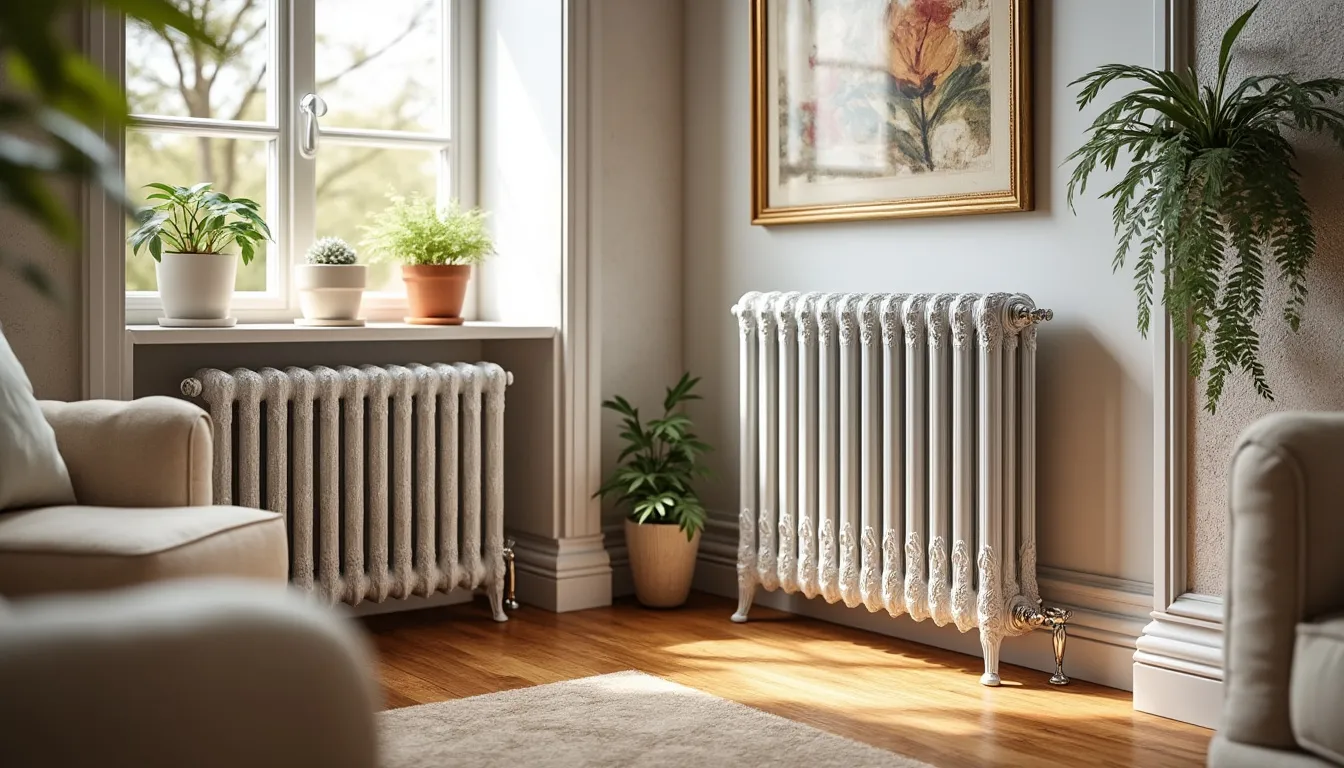
Cast iron or aluminum radiators: which choice for optimal comfort?
4 min read
In a world where thermal comfort is often synonymous with well-being, the choice of heating system should not be taken lightly. When it comes to selecting radiators, two materials stand out: cast iron and aluminum. Each has its own characteristics, advantages, and disadvantages. In this article, I will help you navigate this crucial choice by closely examining the specifics of these two types of radiators. In 2025, it is essential to maximize the return on investment for your heating, both economically and sustainably. Let's explore this topic together.
The Stakes of Heating: Comfort and Energy Savings
The choice of a radiator is not just a matter of thermal comfort; it is also an economic issue. Most French households are looking for a heating solution that combines energy efficiency and comfort. The materials used to manufacture radiators play a crucial role in their performance. Aluminum and cast iron, although different, both offer undeniable advantages but also face challenges.
The Principles of Heat Distribution
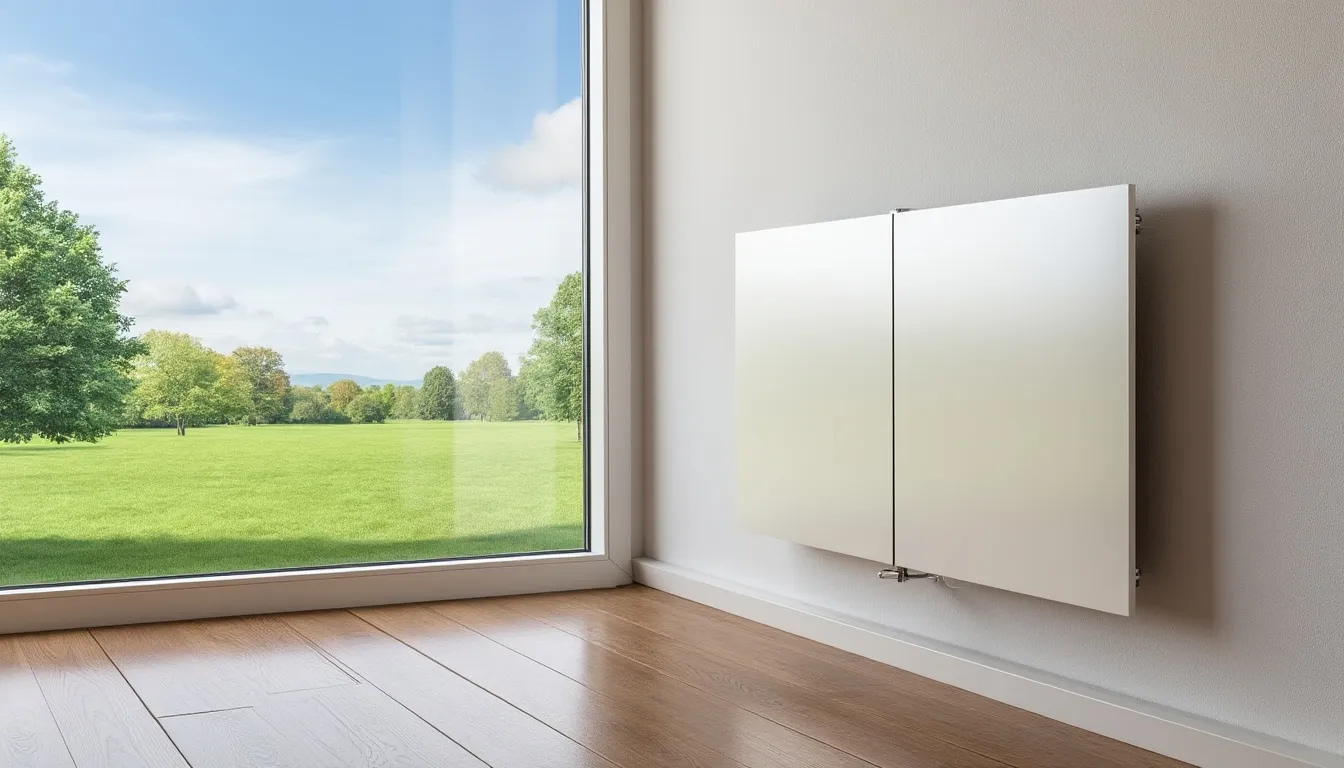
Aluminum and cast iron radiators, while operating on the same principle of heat convection, differ significantly in terms of thermal inertia. The design of each model thus influences how heat is distributed throughout the space. So, how does this work exactly?
Cast Iron Radiators: Thanks to their density, cast iron retains more heat for a long period, allowing for gradual distribution even after the heating is turned off.
Aluminum Radiators: Their lightness allows for quick and efficient heating, but they cool down just as quickly, requiring more frequent operation.
Advantages and Disadvantages of Cast Iron Radiators
Cast iron radiators, found in many households, have a long history and are favored by many for their vintage style and robustness. Here is what you need to know:
Advantages | Disadvantages |
|---|---|
Excellent thermal inertia | High initial cost |
Reduction in heating needs | Bulky in space |
Durability and longevity | Longer heating time |
The Comfort of Aluminum Radiators
More contemporary and often more aesthetically pleasing, aluminum models also allow for flexibility in design. Let’s now look at the facets of this material:
Lightweight: Aluminum is much easier to handle, making installation simpler.
Quick heating: Perfect for those looking for immediate warmth.
Controlled energy consumption: Aluminum radiators are efficient and consume less, which reduces costs.
Practical Comparison: Cast Iron vs. Aluminum Radiators
To make the best decision, a summary table can be useful. Here is an overview of the key differences between the two materials:
Criterion | Cast Iron | Aluminum |
|---|---|---|
Cost | Higher at purchase | Generally cheaper |
Thermal inertia | High (retains heat for long) | Low (heats and cools quickly) |
Aesthetics | Vintage, classic style | Modern and sleek |
Weight | Heavy and bulky | Light and easily manageable |
Maintenance | Low maintenance | Requires regular maintenance |
Choosing Based on Your Needs
Before making your choice between cast iron and aluminum radiators, it's essential to consider your specific needs, your space, and your budget. Here are some factors to take into account:
Your type of housing: An apartment or an old house?
The desired decoration style: Vintage or modern?
The energy efficiency you are looking for: Quick heating or diffuse warmth?
Tips for Effective Installation
When deciding to install radiators, whether cast iron or aluminum, it is crucial to follow certain rules to ensure their effectiveness:
Ensure proper insulation of walls and windows to prevent heat loss.
Position radiators near sources of cold such as windows to optimize their performance.
Consult a professional for installation to ensure proper connection to existing heating systems.
Modern Technologies and Innovations in Heating
With the growing desire for energy efficiency, new technologies are emerging on the market. Companies like Acova, Thermor, and Radson continue to make significant advancements in the field. Similarly, innovations such as connected radiators offer an even more efficient way to manage your consumption.
The Benefits of Connected Radiators
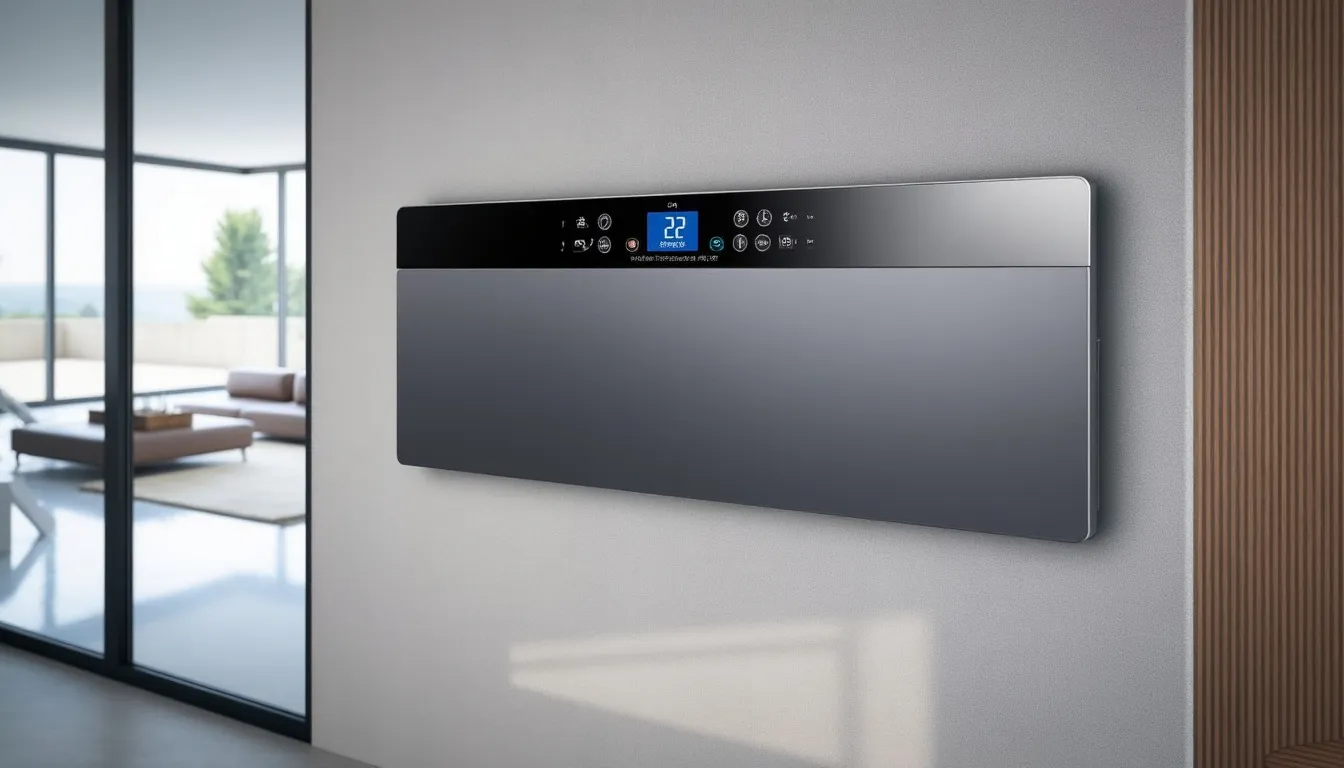
Modern radiators, from brands like Noirot or Panasonic, incorporate smart features that allow for optimal heat management.
Heat customization: Adjust the temperature according to your requirements with dedicated apps.
Energy savings: Thanks to better management of heating time, you can achieve significant savings.
Presence detection: Some models adjust the temperature based on room occupancy.
The Choice of Brand: Acova, Delonghi, and Other Leaders
Brands play a key role in the quality of radiators. Here are some of the references in thermal comfort:
Acova: Known for its senator-like design and reliability.
Delonghi: Combines elegance and performance on the market.
Galvneau: Renowned for its auxiliary devices and comfort solutions.
Atlantic: Innovative in the field of connected radiators and energy savings.
Verano: Offers varied solutions for contemporary homes.
FAQ
Which radiator is the most economical in the long run?
In general, cast iron radiators can prove to be more economical in the long run due to their thermal inertia, which helps reduce energy consumption.
Are aluminum radiators less durable?
Although aluminum radiators are lighter and more susceptible to deformation if impacted, their modern design gives them acceptable strength for daily use.
What are the best radiator brands in 2025?
Brands like Acova, Atlantic, and Thermor are often recommended for their reliability and innovations in heating.
Are connected radiators worth the investment?
Yes, especially if you are looking for precise temperature control and energy savings through intelligent management.
How to choose the size of the radiator?
It is essential to consider the room size, insulation, and ceiling height to calculate the appropriate radiator size or contact a professional.