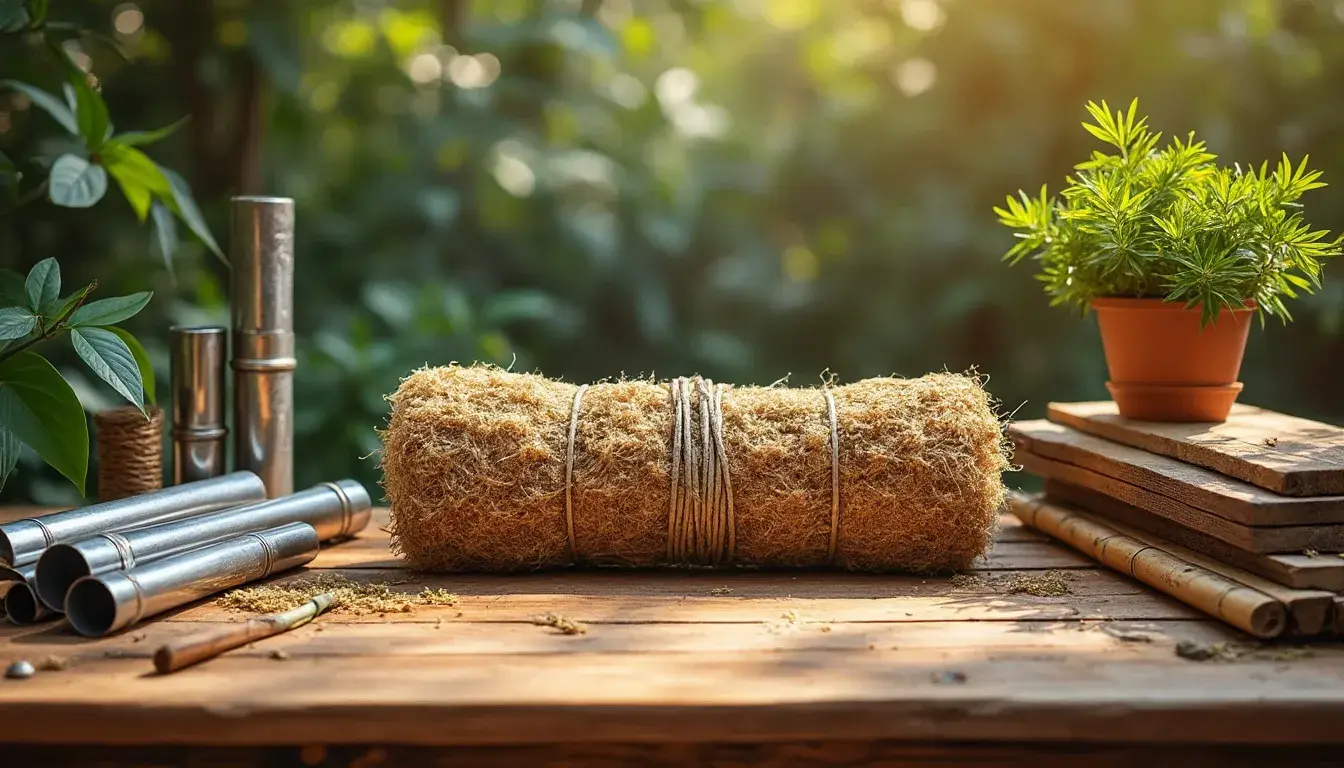
Ecological materials for heating circuits: a healthy and sustainable choice
5 min read
In the current context of environmental crisis and relentless search for sustainable solutions, ecological materials for heating circuits present themselves as both an innovative and planet-friendly option. In 2025, the concern for healthy and sustainable heating has never been stronger. Indeed, opting for renewable, recyclable, and biodegradable materials is not only beneficial for the ecology but also for the well-being of the occupants of a habitat. This article offers a comprehensive overview of ecological materials suitable for heating circuits, as well as practical tips for making the right choice based on your environment. Between thermal performance and compliance with ecological standards, dive into a world where eco-materials and high efficiency meet for a better future.
Understanding the Importance of Ecological Materials in Heating Circuits
As modern homes become increasingly energy-efficient, the question of the environmental impact of materials used for heating arises. In 2025, with rising concerns about climate change, heating circuits using ecological materials, such as bio-sourced insulators, are increasingly favored.
The use of materials such as cellulose wadding, cork, or wood fiber represents an effective way to reduce the carbon footprint of our homes. Indeed, these materials contribute to better heat retention in winter while avoiding overheating in summer, thanks to their thermal inertia capacity. Here we will explore the impact of these choices on energy efficiency and the health of occupants.
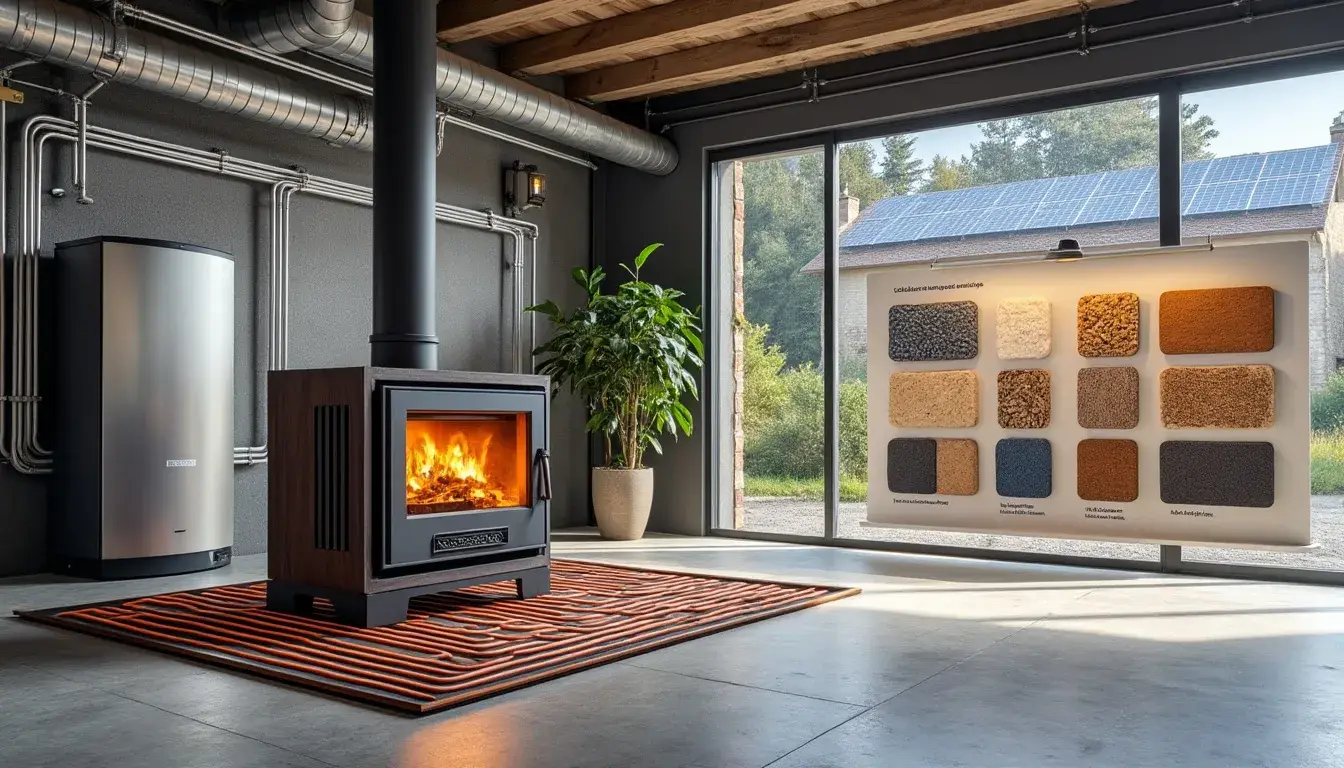
The Benefits of Eco-Materials in Heating
Ecological materials, often classified as eco-materials, have several notable advantages:
Reduction of carbon footprint: Most of these materials come from renewable sources, and their production generates less CO2.
Improvement of indoor air quality: Many of these materials do not emit harmful volatile organic compounds (VOCs).
Energy conservation: They often offer better thermal performance than conventional materials, thereby reducing energy consumption.
Increased durability: Eco-materials are often designed to last longer, reducing the frequency and need for replacements.
Impact on Health and Comfort
In a world where we spend an average of 90% of our time indoors, it is crucial to pay attention to the materials we use in our homes. A good choice of materials can reduce allergies, improve thermal comfort, and create a healthy space for the whole family.
For example, sheep wool is not only an excellent insulator, but it also regulates humidity, promoting a pleasant indoor atmosphere. In 2025, it is also essential to lean towards solutions like BioTherm that emphasize user health.
Ecological Materials Adapted to Different Climates
The choice of heating materials must be wise and reflect the climate of the region to maximize their effectiveness. Whether you are in a temperate, hot, or cold area, there are solutions suited to each type of climate that promote Green Heating.
Materials for a Hot Climate
In hot climate regions, the main goal is to reduce heat entry through materials with high thermal lag. Here are some suitable insulators:
Wood density fiber: It is one of the best insulators for keeping the interior cool.
Hemp: Not only does it provide exceptional thermal insulation, but it is also very pleasant to work with.
Expanded cork: A natural material with good insulating capacity and very resistant.
Cellulose wadding: Useful for effective summer insulation while being biodegradable.
Adding reflective screens in attics can also help combat direct solar gains, thus increasing summer comfort.
Type of Climate | Recommended Materials | Avoid |
|---|---|---|
Hot | Wood fiber, hemp, cork, cellulose wadding | Glass wool, lightweight insulators |
Temperate | Wood fiber, rock wool, cotton | Unreinforced expanded polystyrene |
Materials for a Temperate Climate
For temperate areas, the objective is to achieve a good balance between winter insulation and avoiding summer overheating. The best choices include:
Rock wool: While effective in winter, it may be less efficient in summer. Durable Heating should be the watchword.
Expanded polystyrene (EPS): Primarily used for thermal insulation, ideal for the exterior but has limitations in summer.
Cellulose wadding: Its insulating nature is balanced, reducing the risk of overheating.
By implementing these materials, you can maximize comfort while minimizing environmental impact. The issues of thermo-nature are ultimately crucial.

Innovations in the Heating Material Sector
The sector of ecological materials for heating circuits is evolving rapidly. Numerous technical innovations are at play, aimed at improving energy efficiency while respecting the environment. Companies are committed to developing solutions like GreenHeat that combine thermal comfort and performance.
Bio-Sourced Materials and Their Advantages
The development of bio-sourced materials, such as flax fiber or hemp, highlights intelligent and sustainable solutions. These materials can meet various insulation needs while improving the energy performance of housing. Compliance EcoCircuits is a perfect example.
Biodegradability: At the end of their life cycle, these materials decompose naturally, thus limiting waste.
Naturally regulating humidity: They contribute to better indoor air quality, beneficial for the health of occupants.
Acoustic insulation: Most of these materials also offer interesting acoustic performance.
The Future of Ecological Heating Circuits
Technological advances promise to transform the heating landscape in homes. For example, 3D printing now allows the manufacture of customized and ecological heating systems, tailored to the specific needs of each household. A #revolution in the sector that could well shape generations to come.
Practices and Recommendations for a Successful Installation
To maximize the benefits of ecological materials in your heating circuit, certain good practices should be followed:
Prioritize the integration of external solar screens to limit solar gains during the summer.
Opt for night ventilation to cool the space after a hot summer day.
Use heavy walls that help smooth out temperature variations.
Choose a qualified professional experienced in ecological materials for installation.
In 2025, it is finally essential to ensure that every installation complies with current standards and is performed in accordance with established practices. This also includes paying particular attention to air tightness, elements that are often overlooked but can significantly affect your heating system's efficiency.
Practice | Impact on Comfort |
|---|---|
Attic insulation | Increases energy efficiency and improves indoor comfort |
Natural ventilation | Balances temperatures and improves air quality |
Use of solar screens | Reduces summer overheating |
FAQ
What are the most effective eco-materials for heating?
The most effective eco-materials include wood fiber, cellulose wadding, and hemp. These materials offer excellent thermal performance while being environmentally friendly.
How to choose the right insulator according to the climate?
For a hot climate, prioritize insulators with good thermal lag, such as wood fiber. For a temperate climate, a balance between winter thermal resistance and summer ventilation is crucial, which can be achieved with rock wool or cellulose wadding.
Are bio-sourced materials really healthier?
Yes, they tend not to emit volatile organic compounds (VOCs), which improves indoor air quality and contributes to a healthier environment.
How can the choice of materials influence energy consumption?
Ecological materials, due to their enhanced insulation properties, reduce heat loss and thus decrease energy consumption for heating.
What is the economic impact of using ecological materials?
While they may have a higher initial cost, the savings made on energy consumption and their durability make them a good long-term investment.