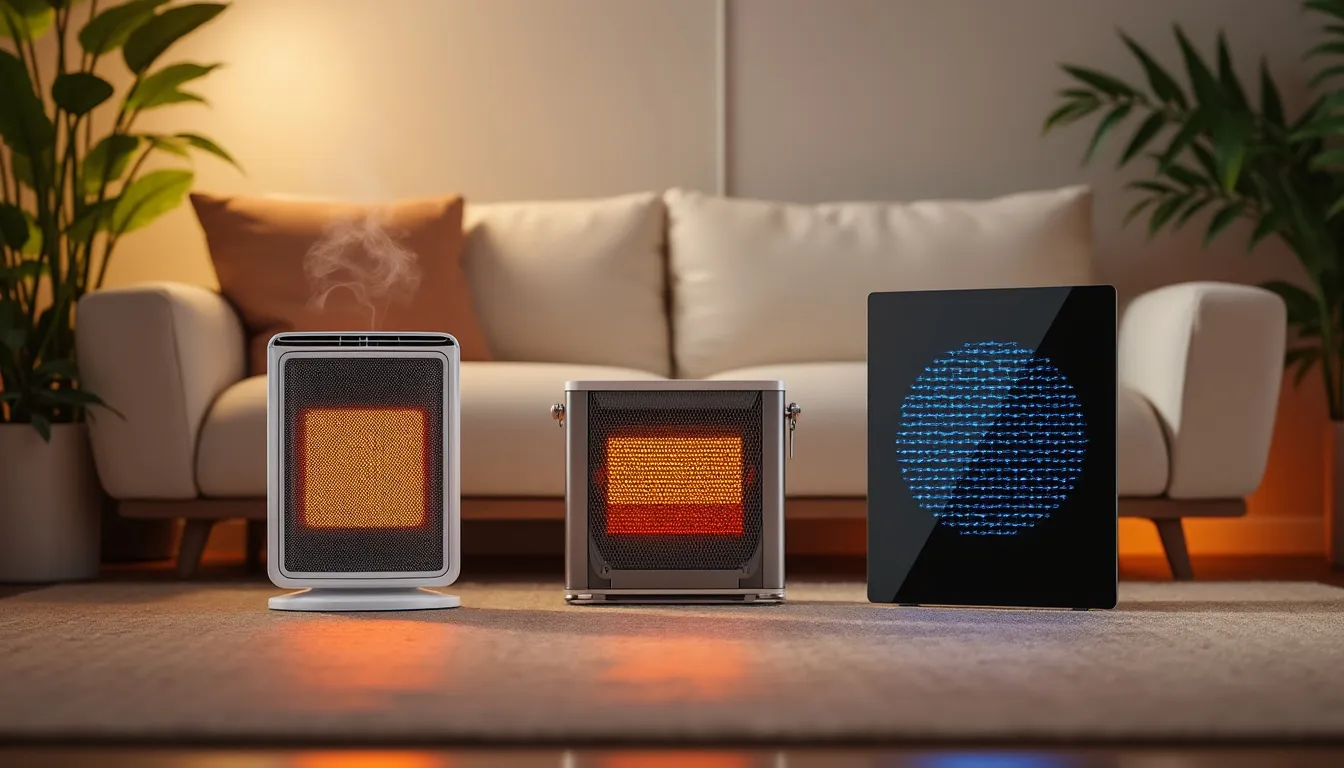
Comparison of low-consumption supplemental heaters: models and performance
5 min read
In a world where environmental and financial concerns are increasingly pressing, the choice of a low-consumption auxiliary heater appears to be an effective solution for enjoying thermal comfort while reducing energy bills. Whether to warm up a room during a harsh winter or to complement a central heating system, these appliances offer a multitude of choices tailored to all needs. This article provides an in-depth exploration of the various types of auxiliary heaters available in 2025, focusing on their energy efficiency, features, and the brands that stand out in the market.
What is a low-consumption auxiliary heater?
As its name suggests, an auxiliary heater is a supplementary system designed to provide warmth when the main heating system cannot suffice. Striking a balance between the need for thermal comfort and controlled energy consumption, these devices are specifically designed for occasional use, thereby making energy bills more manageable.
By incorporating various types of heating, such as electric heaters, gas heaters, or soft heat heaters, auxiliary heating proves to be an economical and eco-friendly alternative. Indeed, their primary use lies in their ability to quickly heat small spaces while ensuring low energy consumption.
On average, 85% of French households opt for this system during cold periods, highlighting the importance of these devices in domestic comfort.
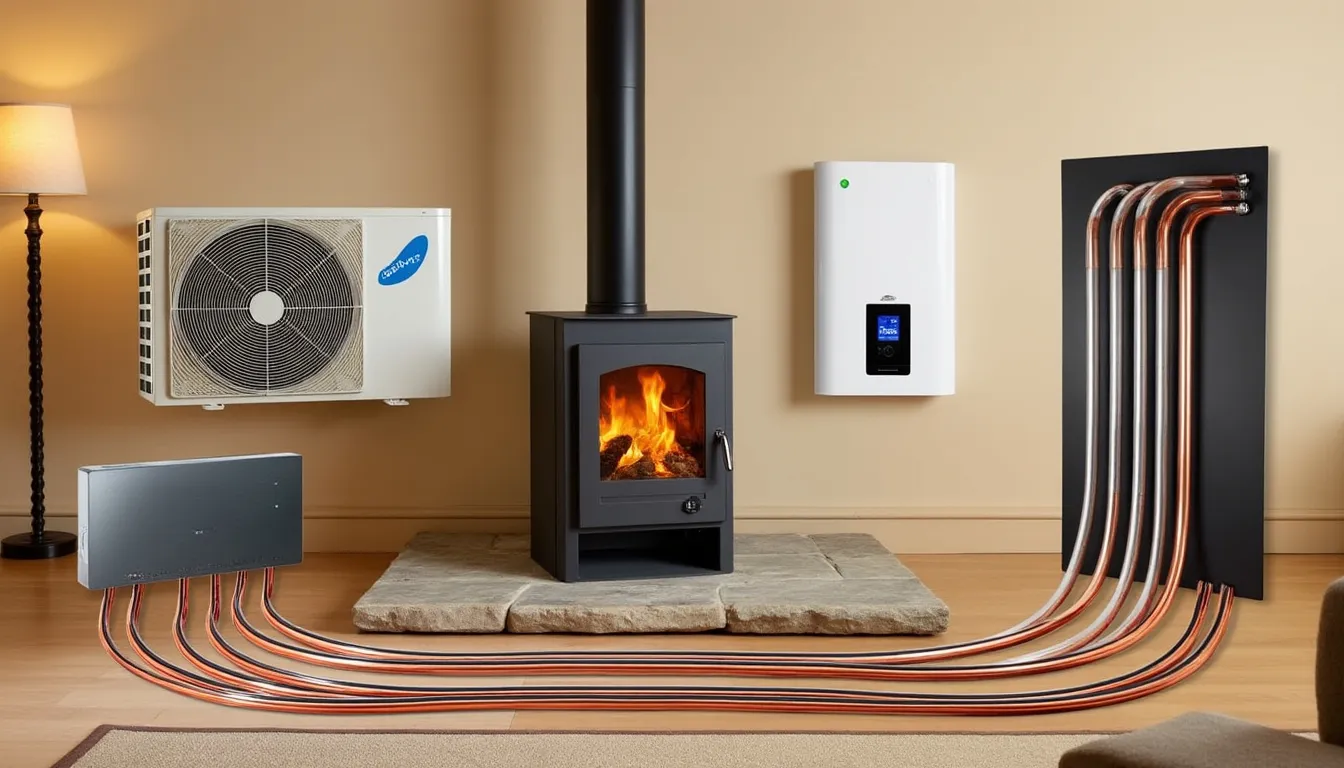
How to choose your auxiliary heater?
Before making a choice, it is crucial to precisely determine your needs. Here are a few points to consider:
Room volume: Choose a device suitable for the area to be heated. A 1500 W device may suffice for spaces between 20 and 25 m².
Type of heating: Electricity, gas, or wood? Each type has its own advantages and disadvantages.
Budget: Set a budget for both the purchase and long-term operating costs.
Performance and efficiency: Check the quality/price ratio and the certified energy efficiency of the devices.
The different types of auxiliary heaters
Various models are available, each with distinctive characteristics according to needs. Here is an overview of the main types of auxiliary heaters;
Electric radiators: Versatile and easy to install, these heaters are ideal for occasional use. Many are portable, allowing for easy relocation.
Infrared heaters: These devices produce gentle heat that directly warms objects and people in the room, without heating the surrounding air.
Oil heaters: Equipped with thermal inertia, they provide soft and uniform warmth. They are particularly appreciated for their silence and effectiveness.
Soft heat heaters: These systems are designed to diffuse pleasant warmth, often coupled with a thermostat for better control.
Mobile heaters: Easy to move, these devices are perfect for those who need heat in different rooms.
Comparison of auxiliary heater models on the market
With a wide selection of models, it is essential to compare their performances and characteristics carefully. Here is a summary table of the main auxiliary heater brands present in 2025.
Brand | Type of heating | Power (W) | Energy consumption (kWh) | Price (in €) |
|---|---|---|---|---|
Klarstein | Fan heater | 2000 | 1.5 | 120 |
De'Longhi | Oil heater | 1500 | 1.2 | 130 |
Dyson | Infrared heater | 2400 | 1.8 | 250 |
Pro Breeze | Electric heater | 1300 | 1.0 | 90 |
Rowenta | Ceramic heater | 1500 | 1.4 | 110 |
The table above highlights various available devices, their power, consumption, and price. Each product has its advantages and disadvantages, so it is essential to accurately target your needs. For instance, if you are looking for a mobile and efficient heater, the Pro Breeze model could be a perfect fit. If you prefer a soft heat device, the De'Longhi is an excellent option.
Consumer reviews
User satisfaction is a determining factor in choosing an auxiliary heater. Here are some feedback experiences regarding the mentioned devices:
Klarstein: Represents excellent value for money, with quick heating.
De'Longhi: Users appreciate the gentle and uniform warmth.
Dyson: Known for its durability, although it is more expensive than other options.
Pro Breeze: Lightweight and compact, ideal for use in multiple rooms.
Rowenta: Highly appreciated for its silent operation.
Advantages and disadvantages of auxiliary heaters
When choosing an auxiliary heater, it is important to consider both the advantages and disadvantages. Here is a summary:
Advantages | Disadvantages |
|---|---|
Flexible use according to needs | Can consume energy if a poor choice is made |
Simple and quick installation | Less effective in large spaces without a central heating system |
Rapid heating | Some models may be noisy |
These advantages and disadvantages should be carefully weighed before making a choice, especially when considering the environmental and economic impact it may have in 2025.
What criteria to pay attention to when purchasing?
For an informed purchase, here are some criteria to consider:
Power: Check the watts of the heater to ensure it is suitable for the space.
Type of thermostat: Opt for models with automatic regulation for energy savings.
Mobility: If you plan to move your device regularly, ensure it is lightweight or equipped with wheels.
Durability: Ensure the brand's reputation and consult user reviews to know the device's longevity.
FAQ
What is an auxiliary heater?
An auxiliary heater is a device designed to heat a room without needing to activate the central heating. They operate on electricity, gas, or oil.
What types of auxiliary heaters are there?
There are infrared heaters, electric heaters, gas heaters, soft heat heaters, and oil heaters.
Which auxiliary heater is the most economical?
The oil heater is often considered more economical due to its ability to retain heat.
Is it possible to use auxiliary heaters in large spaces?
Yes, but it is necessary to choose a model with appropriate power to heat a large space effectively.
How to install an auxiliary heater?
Most devices are simply placed on the floor or mounted on the wall. For some specific models, professional assistance may be required.
In 2025, with the continuous evolution of heating technologies and the increasing importance of consuming responsibly, low-consumption auxiliary heaters prove to be an essential solution for optimizing the thermal comfort of your home while controlling costs. Whether you wish to engage an additional heating system or replace your old model, the information discussed here will guide you towards an informed and satisfying choice.