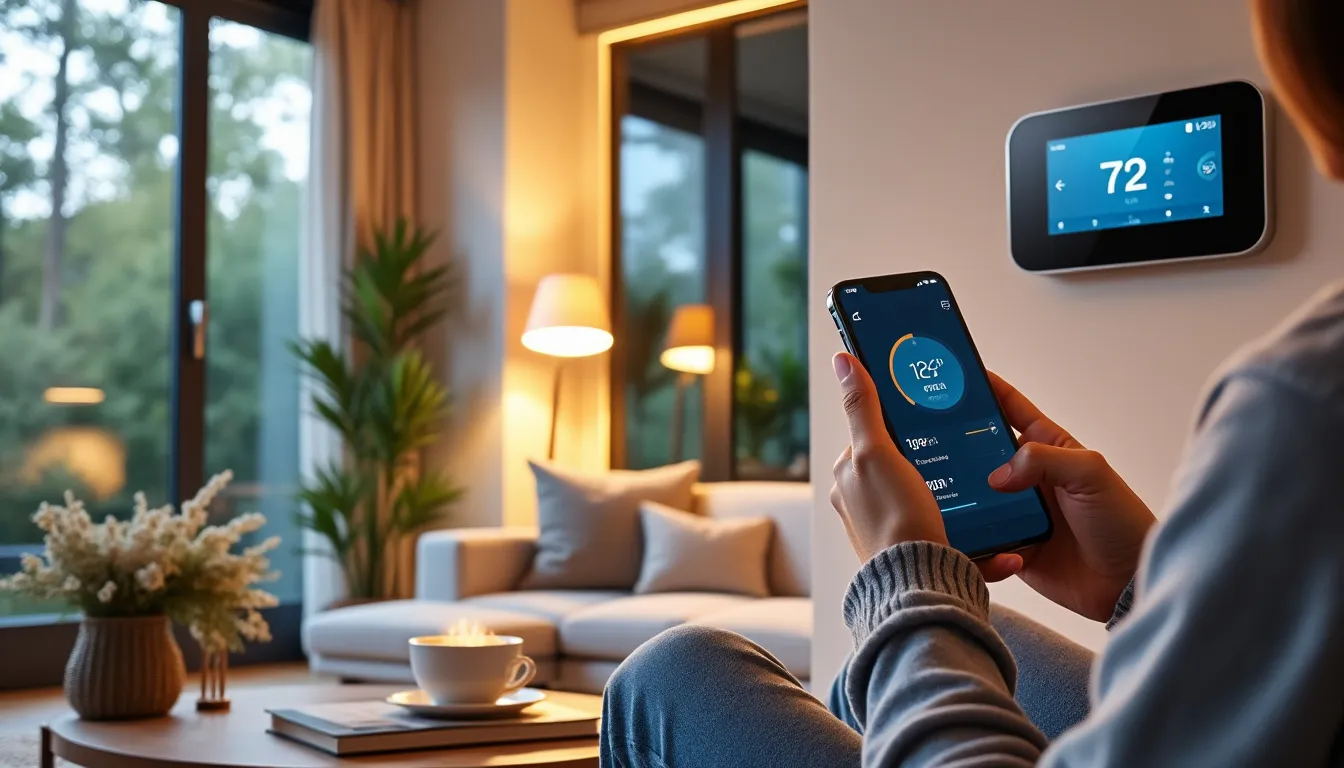
Remote control of heating: manage your comfort from your smartphone with a powerful application.
5 min read
The digital revolution has redefined our daily lives, transforming the way we interact with our environment. Among these advancements, remote heating control is becoming increasingly prominent. In 2025, with the idea of comfort and energy savings always in mind, connected homes allow for precise and personalized heat management. Imagine being able to adjust the temperature of your home from your smartphone, wherever you are, simply by pressing a button. This is no longer a dream but an accessible reality thanks to modern technologies. In this article, I offer an overview of the various remote heating control systems, and as a plumbing expert, I will also share practical tips to optimize your comfort while saving energy.
Remote Heating Control Devices
Remote heating management has become essential for many households. It not only provides enhanced comfort but also enables substantial energy savings. Here are the main solutions available, whether for central heating or an individual system.
Smart Thermostats
Smart thermostats are key players in heating control. These devices learn your habits and adjust your home's temperature accordingly. Among the well-known brands, you will find models like Tado°, Netatmo, Ecobee, and Nest.
Flexible programming: Set your heating according to specific schedules or based on your presence.
Remote control: Adjust the temperature from your smartphone via a dedicated app.
Energy savings: Some thermostats can reduce heating consumption by up to 15% thanks to their learning functionality.
Also incorporating open window sensors, these devices help avoid heating unused rooms, thereby optimizing your expenses.
Mobile Applications for Simplified Access
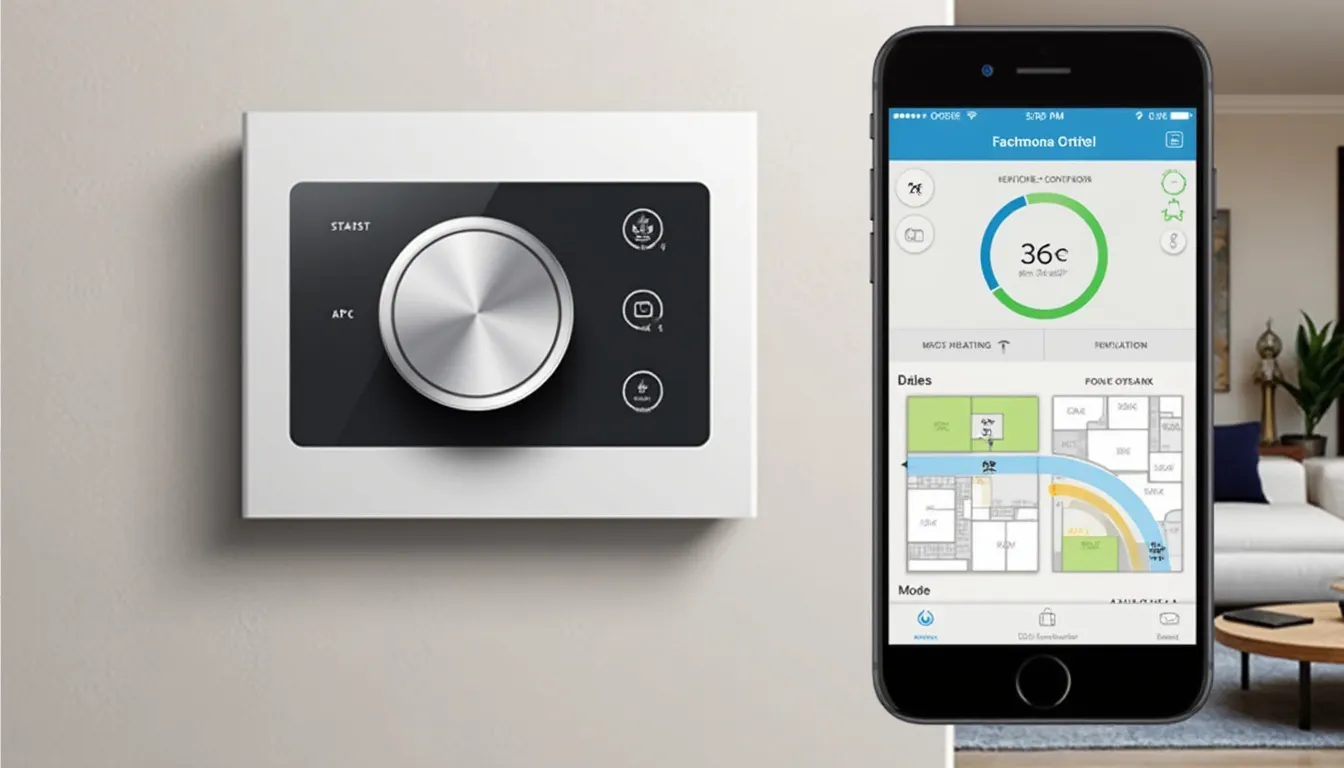
With the explosion of smartphones, it is now possible to manage your heating intuitively through dedicated apps. These tools provide optimal centralization of all your connected devices.
Real-time visualization: Adjust your home's temperature instantly.
Custom plans: Create heating schedules tailored to your lifestyle.
Consumption analysis: Monitor your usage in real time and identify peak consumption times.
Applications like Honeywell Home and Fibaro facilitate this management by offering ergonomic interfaces and advanced features.
Integrated Home Automation Systems
For an even more comprehensive experience, integrated home automation systems allow you to control not only your heating but also all your home devices through a single interface. By 2025, this technology is becoming increasingly accessible.
Interoperability: These systems can interact with other connected devices such as lighting or security.
Custom scenarios: Create routines suited to your habits.
Voice control: Use voice assistants like Yale and Eve to manage your home using your voice.
Home automation systems such as HomeWizard or Danfoss enable seamless integration and unprecedented energy management.
Tips for Optimizing Heating and Comfort
To maximize the effectiveness of your heating system and ensure optimal comfort, it is essential to follow a few best practices. Here are some tips that I often apply in my work.
Effective Programming Tips
Targeted heating: Program your system to heat only the rooms in use during your presence.
Adjusted temperatures: Set the temperature to about 19°C during the day and around 16°C at night.
Utilizing schedules: Take advantage of the contractual schedules offered by your thermostat to optimize the temperature according to your weekly activities.
This not only simplifies your daily life but also helps prevent unjustified over-consumption.
Maintenance and Energy Monitoring
Regular monitoring of your installation and your energy consumption is crucial. In this area, here’s what I recommend:
Annual inspection: Have your heating system checked by a professional to ensure its proper functioning.
Monitoring applications: Use specialized applications to monitor your energy consumption in real time.
Quick repairs: In case of failure, do not wait to repair it; this could lead to additional costs.
Make sure everything is working correctly by performing repairs as soon as the need arises.
Insulation and Smart Technologies
One of the essential factors for reducing energy consumption is the insulation of your home. Here are methods to improve this crucial part:
Thermal insulation: Ensure that the walls, roofs, and windows of your home are well insulated.
Smart detectors: Install presence sensors to adjust the temperature according to the occupancy of the rooms.
Using roller shutters: In winter, shutters can reduce heat loss.
These measures help to maintain the warmth of your home while fully utilizing the features of your connected heating system.

Top Brands of Connected Heating Systems
In the face of a multitude of options on the market, it is crucial to choose recognized brands for their reliability and innovations. Here is a comparative table of some smart heating solutions:
Brand | Features | Average Price | Advantages |
|---|---|---|---|
Tado° | Smart thermostat, valve control | 200-250 € | Energy savings, advanced features |
Netatmo | Indoor climate status, remote control | 170-220 € | Accuracy, ergonomic user interface |
Honeywell Home | Multifunctional thermostat with geolocation | 180-230 € | Adaptability, quality |
Nest | Machine learning, remote control | 250-300 € | Ease of use, modern design |
This table highlights the specificities of each brand, allowing you to make an informed choice based on your specific needs.
Upcoming Trends in Heating Management
Technological innovations continue to impact the heating sector, further increasing comfort and efficiency. I will discuss the main trends you should monitor in the coming years.
Artificial Intelligence and Heating
In 2025, artificial intelligence is transforming heat management in our homes. Thanks to sophisticated algorithms, connected devices can now anticipate your needs.
Behavior prediction: Heating can turn on before you arrive home by analyzing your travel patterns.
Climate adaptation: By taking weather variations into account, heating automatically adjusts its consumption.
Proactive detection: Some devices can send an alert when abnormal performance is detected, indicating a need for maintenance.
Interoperability of Connected Systems
With the development of universal protocols, particularly through Matter, compatibility between different connected devices is becoming smoother. This means that:
Better together: Different devices from various brands can interact seamlessly, facilitating their integration.
Simplified interaction: Your thermostat, lights, and security systems will communicate effectively.
Ease of installation: Installation will be streamlined, allowing users to easily integrate their devices into a connected ecosystem.
Users can expect an improved user experience that facilitates the management of connected homes.
FAQ
What are the benefits of a smart thermostat?
A smart thermostat allows you to program your heating according to your habits, save energy, and control your temperature remotely via an app.
How can I optimize my energy consumption?
By programming your heating, properly insulating your home, and using connected devices to monitor your consumption, you can reduce your energy expenses.
Which brands of connected thermostats are the most reliable?
Brands like Nest, Tado°, Netatmo, and Honeywell Home are recognized for their effectiveness and reliability in the market.
Is it necessary to have a professional install a connected system?
While some systems are easy to install yourself, it is recommended to call a professional, especially for complex installations.
What financial aids are available for installing eco-friendly heating systems?
There are several government financial aids, tax credits, and local subsidies to encourage the installation of eco-friendly and efficient heating systems. Check with your municipality.
By following these tips and investing in appropriate technologies, you will have the ability to control your heating remotely for the comfort of your home.