Electrical standards for the installation of electric heaters: what you need to know
4 min read
In our daily lives, electrical installations have become essential. They not only ensure our comfort but also our safety. With the rise of heating technologies, particularly electric heating, it is crucial to be informed about the standards governing their installation. This article aims to review the main regulations to follow to guarantee a compliant, safe, and effective implementation of your electric heating systems.
Understanding Electrical Standards
Electrical standards are technical documents determining the minimal requirements to be met during the creation, installation, and maintenance of electrical systems. In France, these standards, mainly developed by the French Standardization Association (AFNOR), are based on international directives, particularly those issued by the International Electrotechnical Commission (IEC). Their goal is to protect users while ensuring the proper functioning and longevity of equipment.
The NF C 15-100 Standard: An Indispensable Reference
The NF C 15-100 standard is one of the best-known frameworks in the field of electrical installations in France. It sets essential requirements to ensure the safety of low voltage installations. The following points summarize the key aspects of this standard:
User Safety: It requires the use of safety devices, such as circuit breakers and differential protection devices, to prevent the risk of electrocution.
Specific Requirements for Sensitive Locations: Installations in high-risk areas, such as kitchens or bathrooms, must comply with stricter standards to protect users.
Accessibility: The standard emphasizes that installations must be designed to be accessible and easy to use, for example, by ensuring the appropriate positioning of electrical outlets.
Tools and Protection Devices
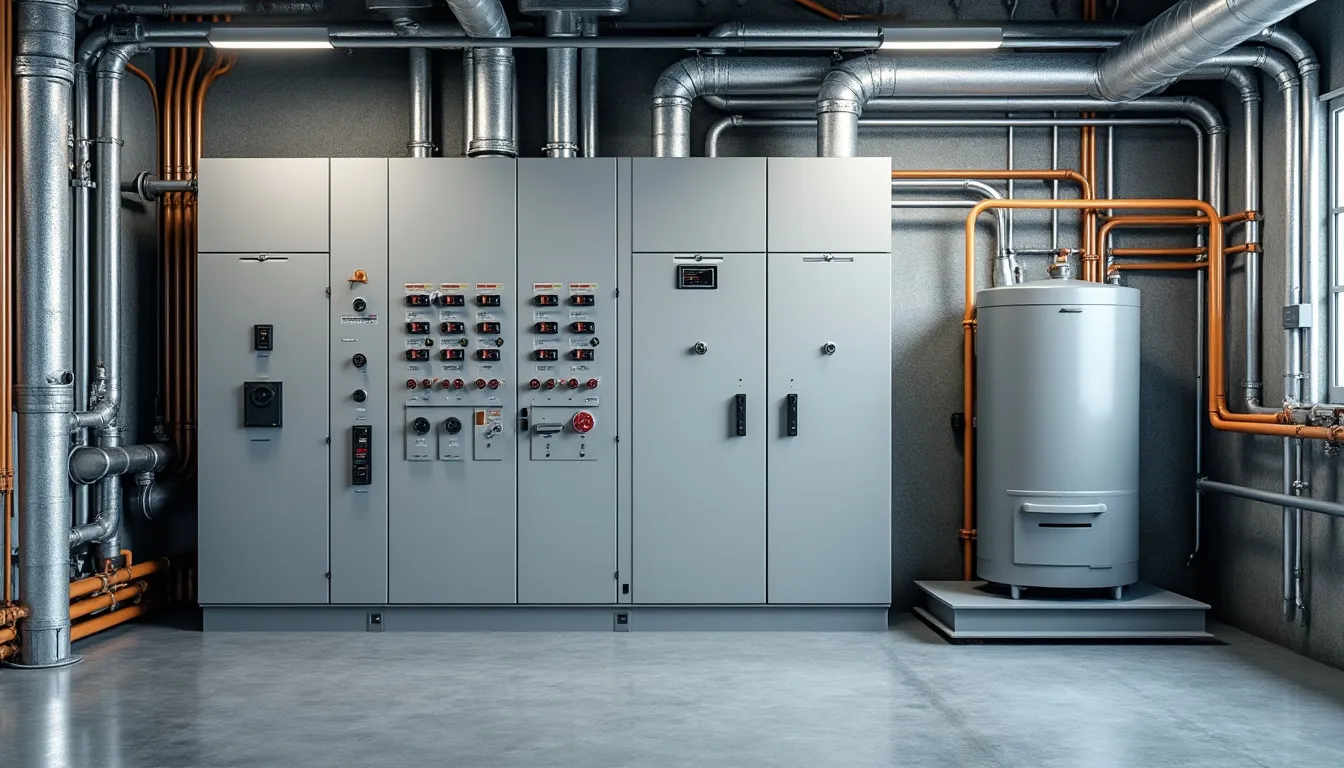
To ensure the safety of electrical installations, various devices are essential:
Circuit Breakers: These devices interrupt the circuit in case of overload or short circuit, playing a crucial role in preventing potential fires.
Differential Protection Devices: They detect current leaks and automatically cut off power, thus protecting users from potential electric shocks.
Performance Standards and Energy Efficiency
In an era where energy efficiency is at the heart of ecological concerns, it is vital that electrical installations contribute to reducing energy consumption. Here are some performance standards to remember:
ISO 50001: This internationally recognized standard establishes protocols for energy management, aiming to reduce costs and minimize the environmental impact of installations.
Lighting Requirements: To address the challenges of energy consumption, new installations encourage the use of LED lighting solutions and other energy-saving technologies.
The Certification of Installations: A Guarantee of Safety
To ensure that installations meet current standards, certification by a qualified professional is essential. This implies that each installation must be checked by an electrician whose competence has been validated before receiving a certificate of conformity. This process is fundamental to guarantee the reliability and safety of the installed systems.
Type of Device | Main Function |
|---|---|
Circuit Breaker | Interrupts the electrical circuit in case of overload or short circuit. |
Differential Protection Device | Detects electrical leaks to protect against shocks. |
Recent Developments in Electrical Standards
Technologies are evolving rapidly, and standards must keep pace. The emergence of renewable energies and smart grids has recently led to updates in several regulations. Taking new technologies into account has become a priority:
Connected Devices: The rise of connected objects and home automation systems requires specific installations to ensure their proper functioning and safety.
Increased Awareness: Information campaigns promote the importance of adhering to standards and the intervention of qualified professionals during necessary installations or maintenance.
Renewable Energies and New Installations
Current standards also incorporate devices intended to promote renewable energies. For example, specific controls exist for photovoltaic installations or biomass heating systems, thus ensuring their compliance with safety requirements.
Frequently Asked Questions about Electrical Standards and Heating
What are the main standards for installing electric heaters?
The main standards include NF C 15-100 for electrical safety and various regulations related to energy efficiency, such as the ISO 50001 standard.
What is the role of a qualified electrician in the installation of electric heating?
A qualified electrician is responsible for ensuring that all installations comply with current standards, thereby guaranteeing the safety and reliability of the systems.
How to obtain certification for an electrical installation?
Certification is issued by a professional with the required skills, after verifying that the installation conforms to all current standards and requirements.
Can an electric heater be installed by oneself?
It is strongly recommended to call a professional for the installation of an electric heater to ensure compliance with safety standards.
What changes can be expected in electrical standards for the coming years?
With advances in technology and the growing importance of renewable energies, new regulations are expected to integrate these innovations into existing electrical standards.
Maintaining compliance with electrical standards is not only a legal imperative but also an essential condition to ensure your safety and that of those around you. By informing yourself and adhering to the various requirements, you guarantee not only the proper functioning of your installation but also your peace of mind.