
the new rules governing the use of wood heaters starting in 2027
7 min read
As we approach 2027, many regions in France are adopting new regulations aimed at regulating the use of wood heating systems. This initiative is part of a sustainable approach to reduce pollutant emissions and promote more eco-friendly energy solutions. Homeowners and users of fireplaces and wood stoves must now prepare for these significant changes that will impact the daily lives of many households.
New European Standards for Wood Heating
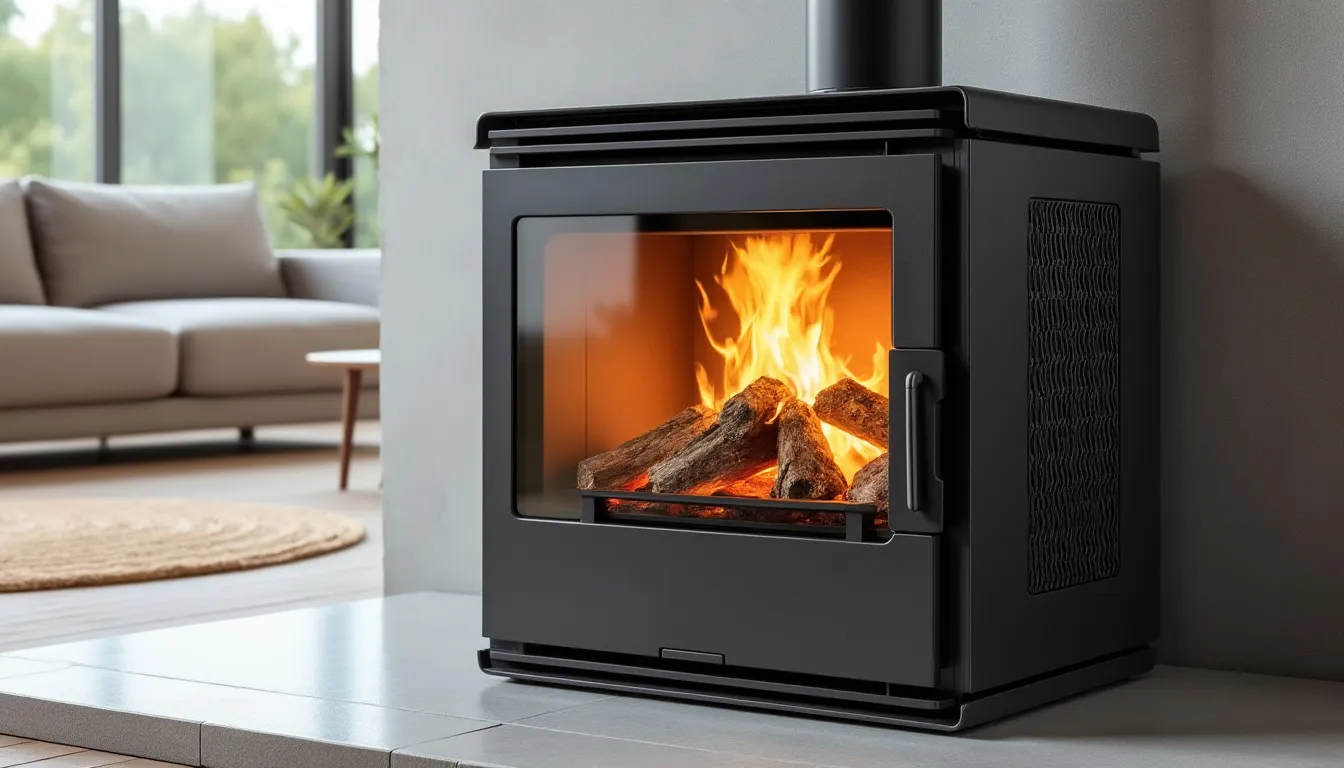
Starting in 2027, a series of new European standards will come into effect, banning the use of certain types of wood heating systems deemed too polluting. These regulations primarily aim to reduce emissions of fine particles and greenhouse gases, thus contributing to the fight against climate change and improving air quality.
Impact on Households and Professionals
For individuals, these new standards mean the need to replace or modernize existing heating equipment. Non-compliant stoves and fireplaces will need to be removed or adapted, which represents an economic challenge for many households. For heating professionals, such as installers and manufacturers, this implies updating the products and services offered to meet legal requirements.
Among the concerned brands, Stuv and Godin are two renowned companies that have already begun adapting their models to comply with the new standards. Their innovations include more efficient combustion systems and advanced filtering technologies to reduce emissions.
Brand | Model | Compliance |
|---|---|---|
Stuv | EcoBurn | Compliant 2027 |
Godin | VertFil | Compliant 2027 |
Cheminées Philippe | PureFlamme | To be updated |
These adjustments are essential to ensure a smooth transition to more eco-friendly heating solutions. By adopting these new technologies, users can not only comply with regulations but also benefit from increased energy efficiency and reduced heating costs in the long term.
Alternatives to Wood Heating
In light of the increasing ban on wood heating systems, several eco-friendly alternatives are emerging in the market. These solutions not only offer comparable energy performance but also contribute to reducing the carbon footprint of households.
Biomass Heating
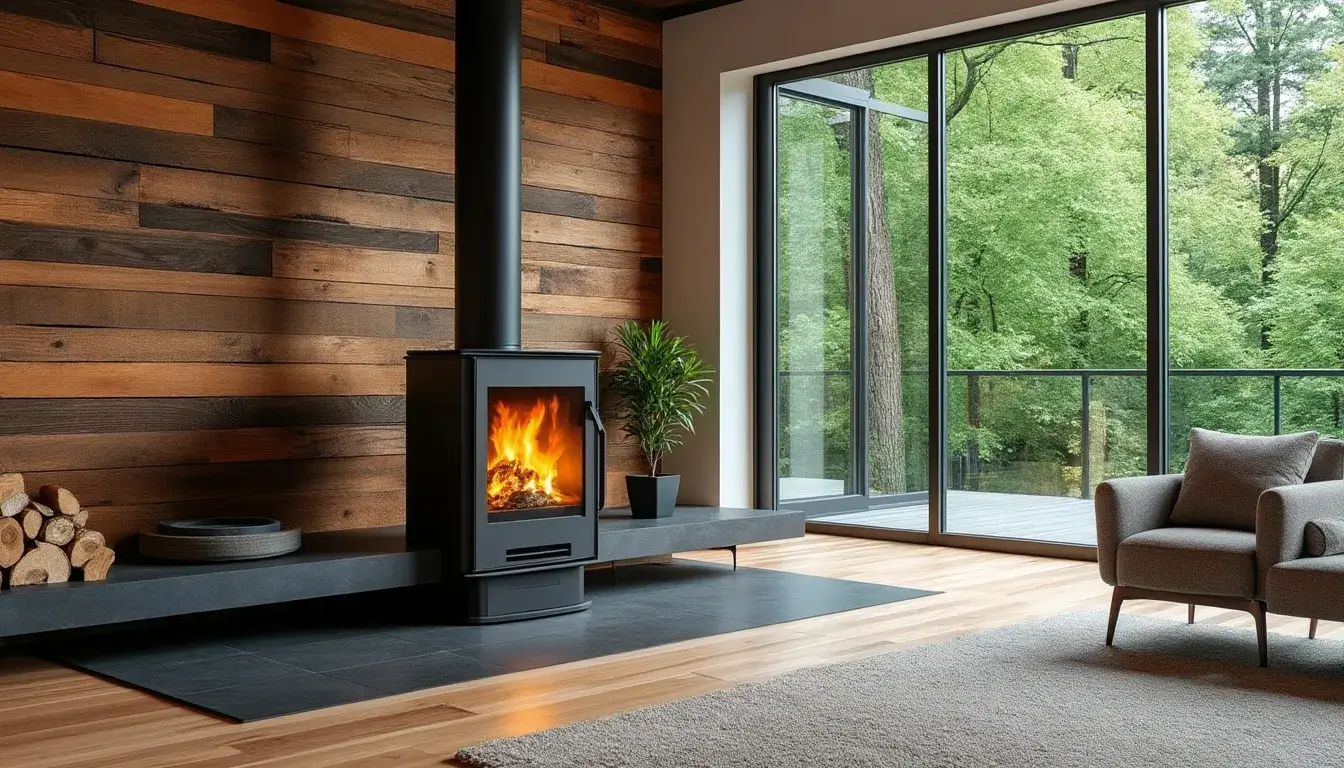
Biomass heating is a viable and environmentally friendly alternative. By using renewable organic materials, such as wood pellets, these systems offer cleaner combustion and a renewable energy source beneficial for the planet.
Reduction of CO2 emissions
Use of renewable resources
Competitive operating costs
Eligibility for financial assistance
Brands such as Bodart & Gonay and Invicta offer high-performance biomass boilers adapted to the needs of modern households. Their advanced technology allows for optimized combustion management, ensuring maximum efficiency and minimal environmental impact.
Brand | Type of Biomass | Efficiency |
|---|---|---|
Bodart & Gonay | Wood pellets | 90% |
Invicta | Compressed logs | 88% |
Dovre | Vegetable briquettes | 85% |
By opting for these solutions, users can not only comply with new legislation but also actively contribute to environmental preservation.
Financial Assistance and Incentives for Transition
To facilitate the transition to heating systems compliant with the new standards, several financial aid and incentives are available. These measures aim to reduce the initial investment cost and encourage individuals to adopt more eco-friendly solutions.
Tax Credits and Subsidies
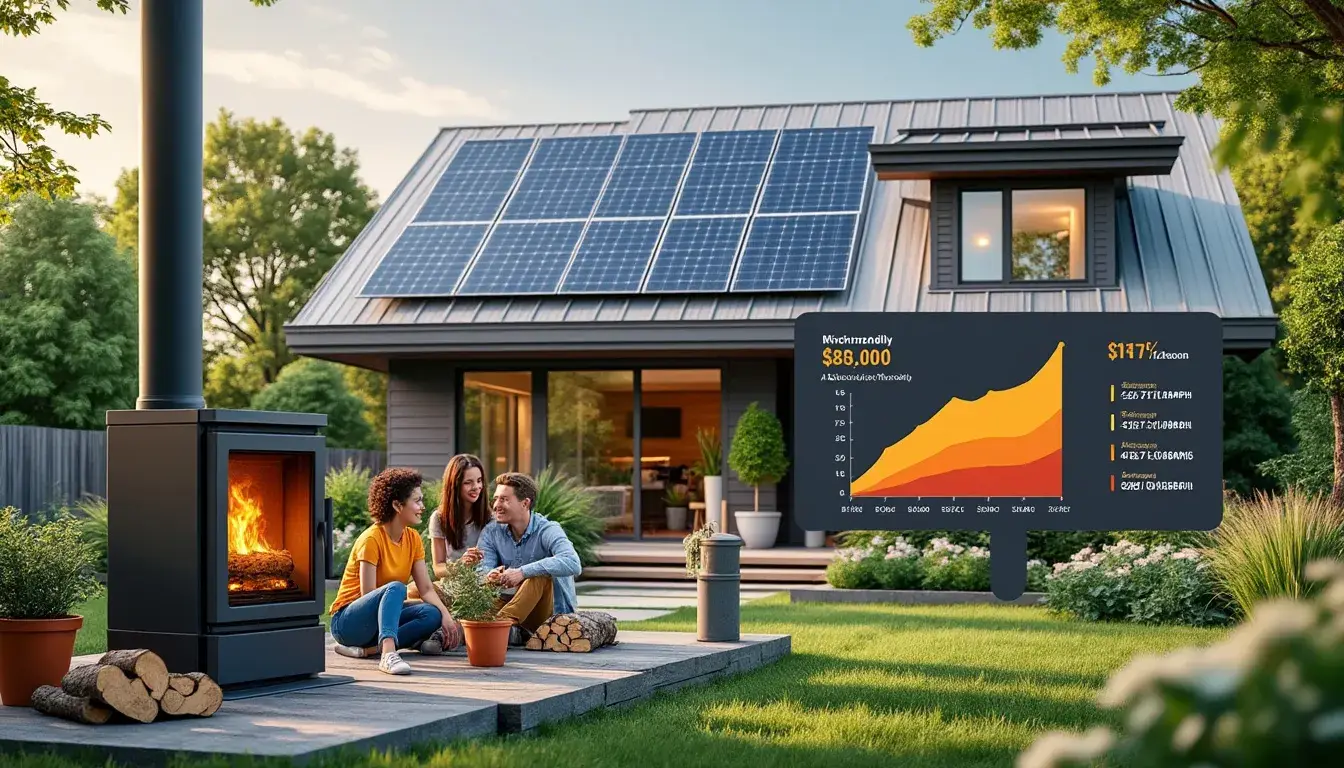
The French government, in collaboration with regional organizations, offers various tax credits and subsidies for the installation of environmentally friendly heating systems. These aids can cover a significant part of the purchase and installation costs.
Tax credit for energy transition (CITE)
Subsidies from the National Housing Agency (ANAH)
Zero-interest loans for energy renovation
Eco-zero-interest loan (eco-PTZ)
Additionally, some brands such as Flamme Verte and Aldes offer advantageous financing programs to encourage the adoption of their eco-friendly products. These initiatives make investing in modern and environmentally friendly heating solutions more accessible for a greater number of households.
Type of Aid | Amount | Conditions |
|---|---|---|
CITE | 30% of expenses | Tax reference income |
ANAH | Varies according to income | Low-income households |
Eco-PTZ | up to €30,000 | Individual house |
These financial aids represent a valuable opportunity for homeowners wishing to modernize their heating systems without overstretching their budgets.
Technological Innovations in Wood Heating
In light of the new regulations, the wood heating industry continues to innovate to offer cleaner and more efficient solutions. Technological advancements make it possible to meet environmental requirements while providing optimal comfort for users.
Advanced Combustion Technologies
The new boilers and stoves incorporate optimized combustion systems that significantly reduce pollutant emissions. These technologies, used by manufacturers like Vogel & Noot, enable a more complete combustion of wood, thus minimizing the production of fine particles and carbon monoxide.
Two-stage combustion
Automatic regulation systems
Integrated smoke filtering
Remote control via mobile applications
Furthermore, the integration of smart sensors allows for real-time monitoring of the device's performance, ensuring optimal use and predictive maintenance. These innovations guarantee not only compliance with standards but also a better return on investment for the equipment.
Innovation | Description | Benefits |
|---|---|---|
Two-stage combustion | Improvement of released heat | Reduction of emissions |
Automatic regulation systems | Optimal temperature maintenance | Increased comfort |
Integrated smoke filtering | Capture of fine particles | Purer air |
These technological advancements allow users to benefit from efficient heating while respecting the environment, making these solutions a wise choice for the future.
Economic and Social Consequences of the Ban
The ban on non-compliant wood heating systems will have significant economic and social repercussions. Understanding these impacts is crucial for better preparation for the upcoming changes.
Impact on the Wood and Construction Industry
The wood sector, essential for the manufacturing of stoves and fireplaces, will need to adapt quickly to the new requirements. Manufacturers will be forced to invest in research and development of new technologies, which could lead to an increase in the prices of equipment. However, this transition also opens up new opportunities for innovative companies that can meet ecological requirements.
Increased production costs
Creation of new ecological sectors
Training and retraining of professionals
Diversification of energy sources
Socially, this ban could lead to tensions, particularly in rural areas where wood heating is traditionally very widespread. It will be essential to implement support measures to help these communities adapt to the new standards and adopt viable alternatives.
Consequence | Description | Proposed Solutions |
|---|---|---|
Increased costs | More expensive for consumers | Financial aid and subsidies |
Creation of green jobs | New ecological sectors | Training programs |
Adaptation of rural areas | Change in heating habits | Local awareness initiatives |
It is imperative that these changes are accompanied by effective public policies and support mechanisms to ensure a smooth and fair transition for all stakeholders.
Testimonials and Feedback
To better understand the impact of these new rules, it is useful to look at the testimonials from the people and professionals concerned. These accounts provide valuable insight into the challenges and opportunities associated with this transition.
Experiences of Individuals
Many homeowners have already started planning the update of their heating systems. Cheminées Philippe reports that several households have opted for state-of-the-art pellet stoves, thus benefiting from subsidies to cover part of the costs. These users emphasize the ease of use and the savings made on their energy bills.
Quick and efficient installation
Reduction of pollutant emissions
Improvement in thermal comfort
State-covered subsidies
Another user, through Dovre, shared their positive experience with the new biomass boilers, mentioning a significant improvement in air quality in their home and a notable decrease in their energy expenses.
User | Device | Feedback |
|---|---|---|
Marie Dupont | Cheminée Philippe PureFlamme | High satisfaction, savings made |
Jean Martin | Dovre Biomass Boiler | Improvement in air quality, reduced costs |
Sophie Leroy | Godin VertFil | Easy installation, significant reduction of emissions |
These testimonials illustrate the tangible benefits that new heating technologies can bring while respecting environmental requirements.
FAQ
What are the main changes in the 2027 standards for wood heating?
The main changes include a strict reduction of pollutant emissions, the obligation to use certified compliant devices, and the promotion of advanced combustion technologies to improve energy efficiency.
Which wood heating equipment will be banned in 2027?
Wood stoves and fireplaces that do not comply with the new European standards, that is to say those emitting a high rate of fine particles and harmful gases, will be banned. It is recommended to check the certification of devices before use.
Are there financial aids available to replace an old wood heating system?
Yes, several financial aids are available, such as the Tax Credit for Energy Transition (CITE), subsidies from the National Housing Agency (ANAH), and the Eco-zero-interest loan (eco-PTZ), which can cover part of the purchase and installation costs of new equipment.
What eco-friendly alternatives to wood heating are recommended?
The main alternatives include biomass heating, wood pellet boilers, heat pumps, and solar thermal systems. These solutions offer comparable energy performance while reducing the carbon footprint.
How to choose a new heating device that complies with standards?
It is essential to verify the device's certification, consult user reviews, and enlist qualified professionals for installation. Recognized brands such as Flamme Verte, Aldes, and Vogel & Noot generally ensure compliance with current standards.