
residents of Beaubreuil in Limoges deprived of heating and hot water following an accidental cut
12 min read
An incident on a demolition site in Beaubreuil, Limoges, has plunged about 3,000 residents, including many public housing households, into a situation of deprivation of heating and hot water. This accidental cut, attributed to a mishandling of the heating network pipes, has caused great concern among the affected residents. Local authorities and energy suppliers are mobilizing to quickly resolve this issue, while residents are seeking temporary solutions to cope with this extended outage. This article explores the causes of the incident, its repercussions on the community, responses from the various stakeholders involved, and measures being considered to prevent such incidents in the future.
Origin of the heating and hot water outage in Beaubreuil
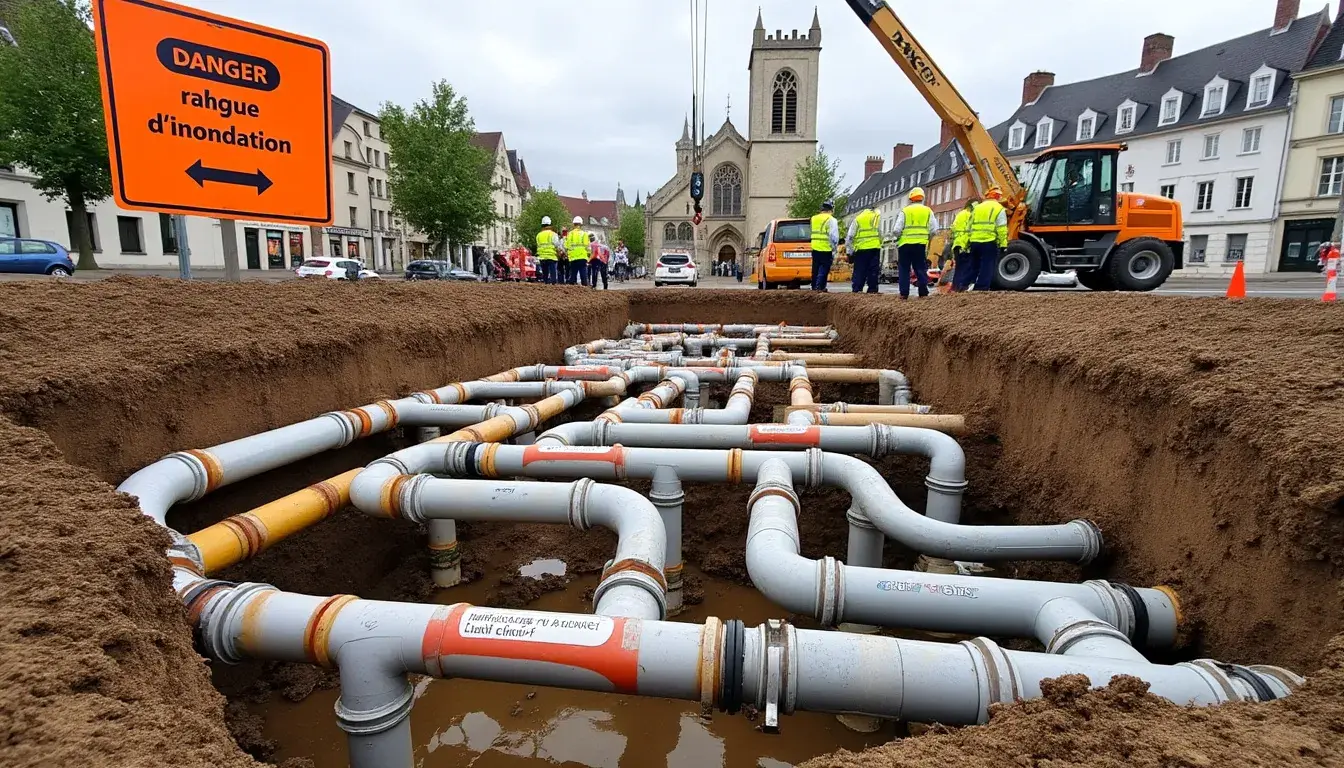
The incident that deprived nearly 3,000 residents of Beaubreuil of heating and hot water occurred during a demolition operation of a building in the neighborhood. According to information provided by Limoges Métropole, the company commissioned by Limoges Habitat damaged a crucial pipeline of the local heating network. This incident disrupted the operation of the network, necessary for the distribution of heating and hot sanitary water in several neighborhoods of the city.
The companies involved and their responsibilities
Several stakeholders are involved in this incident. The company responsible for the demolition work has been criticized for not adhering to the necessary safety protocols during the intervention. Furthermore, the managers of the heating network, namely EDF and GRDF, have been called upon to respond quickly to the situation and minimize the impacts on residents. Collaboration between these different entities is crucial to identify the exact causes of the outage and implement corrective measures.
EDF: Responsible for electricity supply and management of the local electricity grid.
GRDF: Manager of the gas distribution network in France.
Enedis: Leader in electricity distribution in France, responsible for the maintenance of public networks.
Veolia and Suez: Major players in the management of public water and sanitation services.
TotalEnergies: Energy supplier offering various heating solutions.
The circumstances of the accident
The incident occurred during a drilling operation under the Vanteaux Boulevard, a main thoroughfare serving the Beaubreuil neighborhood. The company responsible for the work accidentally damaged a critical pipeline essential to the functioning of the heating network. This type of error can result from poor coordination between the construction teams and the network managers, or from a lack of precision in the plans for locating underground infrastructure. The complexity of urban networks, often compressed underground, increases the risk of similar incidents.
Company | Role | Responsibility |
|---|---|---|
Demolition company | Carry out the demolition work | Compliance with safety and infrastructure location protocols |
Limoges Habitat | Manager of the building to be demolished | Provision of accurate plans of the relevant networks |
EDF / GRDF | Managers of the heating and electricity networks | Maintenance and monitoring of the infrastructure |
Immediate post-incident reaction
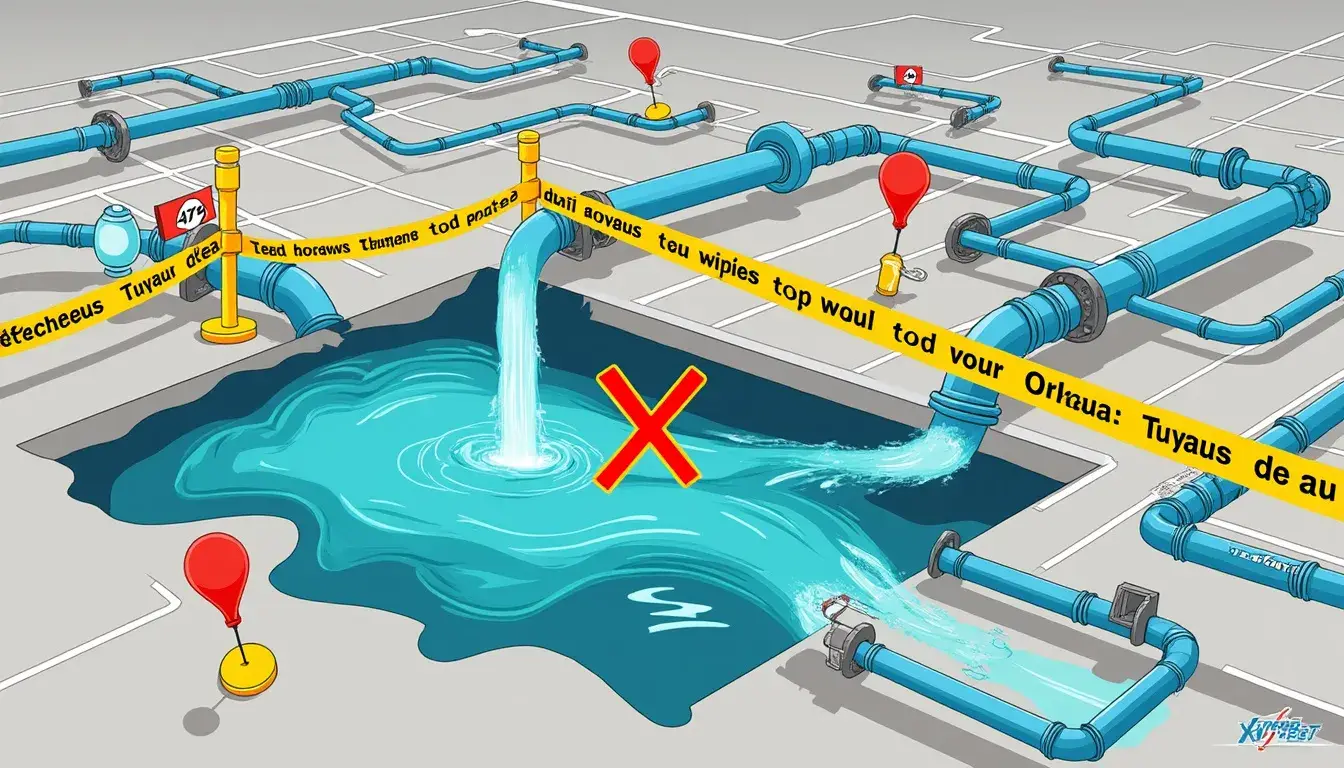
Upon discovering the outage, teams from Limoges Métropole activated the emergency protocol to restore service as quickly as possible. The intervention requires the expertise of specialized technicians capable of accurately locating the rupture and carrying out the necessary repairs. However, the complexity of the work and the need to ensure that all safety measures are adhered to have delayed the complete restoration of service.
Rapid identification of the outage
Deployment of intervention teams
Communication with affected residents
Planning of repairs and service restoration
Post-intervention monitoring to prevent recurrences
Consequences on the daily life of residents
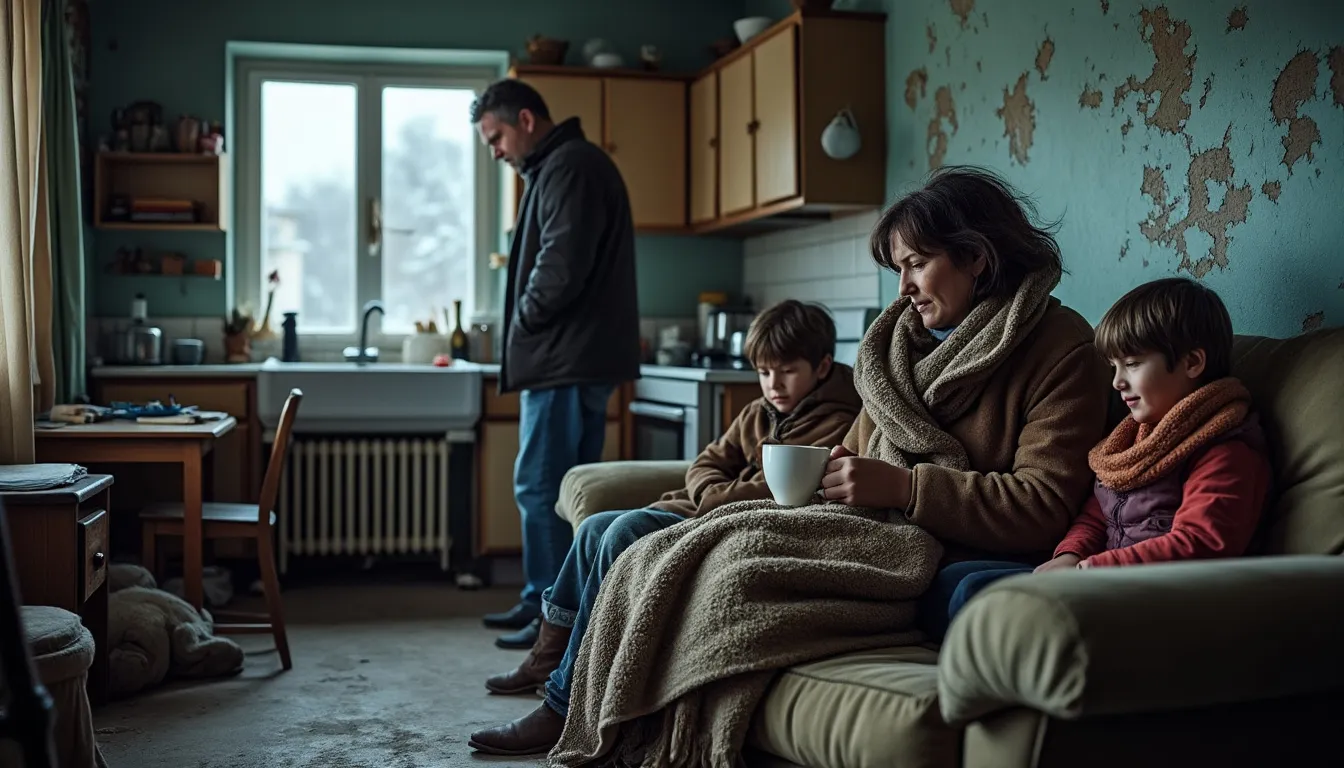
The deprivation of heating and hot water deeply affects the daily life of residents of Beaubreuil. In the middle of winter, the lack of heating poses a serious health risk, especially for the elderly and children. Additionally, the absence of hot water complicates essential activities such as cooking and personal hygiene. Some residents have had to turn to temporary solutions, such as using space heaters or accessing community facilities for bathing.
Impact on health and well-being
The intense cold can lead to health problems such as hypothermia, frostbite, or aggravate pre-existing medical conditions. Children and the elderly are particularly vulnerable. Moreover, the lack of hot water can limit access to adequate hygiene, thus increasing the risks of illnesses. Local hospitals and care centers have been alerted to closely monitor the health of the affected residents.
Problem | Consequences | Temporary Solutions |
|---|---|---|
Lack of heating | Risk of hypothermia, discomfort, weakened health | Space heaters, gathering in heated centers |
Lack of hot water | Compromised personal hygiene, domestic difficulties | Shared bathrooms, use of portable water heaters |
Social isolation | Stress, anxiety, deterioration of community ties | Community support, enhanced social assistance |
Residents' adaptations
In the face of this situation, residents have had to show resilience. Many residents have organized community warmth points where they can gather to warm up. Local initiatives, supported by associations and volunteers, have been set up to distribute blankets, warm clothing, and hot meals. Additionally, regular informational meetings are being organized by the town hall to keep residents informed of the progress of repairs and available support measures.
Community warmth points
Distribution of blankets and warm clothing
Hot meals distributed by local associations
Informational meetings with local authorities
Psychological and social support for residents
Responses from authorities and energy suppliers
Local authorities, in collaboration with energy suppliers such as EDF, Engie, and Veolia, have taken measures to manage the crisis. Close coordination is essential to expedite repairs and restore services as quickly as possible. Representatives from GRDF and Suez are also working on the ground to accurately assess the extent of the damage and plan the necessary interventions.
Emergency interventions by energy suppliers
The specialized teams from the energy suppliers were deployed immediately after the notification of the incident. Their priority is to locate the rupture of the pipeline and proceed with the necessary repairs. This process often involves the use of advanced technologies such as inspection cameras and repair robots to access hard-to-reach areas. TotalEnergies and Gaz de France have also been mobilized to ensure that all gas uses are secured during the work.
Deployment of specialized technicians
Use of advanced inspection technologies
Coordination with demolition teams
Securing impacted areas
Ongoing communication with residents
Actions by local authorities
The town hall of Limoges has established a crisis center to coordinate efforts among the various stakeholders. Representatives from RTE and Enedis are involved to ensure the stability of the electricity network during repairs. Information points have been set up to address residents' questions and provide them with regular updates on the progress of the work. Additionally, financial aid is being considered for residents particularly affected by this prolonged outage.
Actor | Role | Actions Taken |
|---|---|---|
Town Hall of Limoges | General coordination | Establishment of the crisis center, communication with residents |
EDF | Management of the electricity network | Maintaining the stability of the network, repairing damaged infrastructure |
GRDF | Gas distribution | Ensuring the safety of gas pipes, repairing pipelines |
Enedis | Manager of the electricity network | Supervision of repairs, technical assistance |
Veolia | Water and sanitation services | Management of hot water services, logistical support |
Communication and support for residents
Transparent communication is essential in such situations. Local authorities and energy suppliers have set up dedicated communication channels, including emergency phone lines and online platforms to inform residents of the latest developments. Support teams have also been deployed to help residents manage the daily difficulties related to the heating and hot water outage.
Dedicated emergency phone lines
Online platforms for regular updates
Community support points
Logistical assistance for essential needs
Psychological and social support
Measures taken to restore service and prevent future incidents
The current priority is to repair the damaged pipeline and restore the heating and hot water service as quickly as possible. However, long-term measures are also being considered to strengthen the resilience of the network and prevent such incidents from recurring. The lessons learned from this incident will serve to improve security protocols and coordination among the various stakeholders involved in managing urban infrastructure.
Repairs and service restoration
Teams of technicians are working tirelessly to accurately locate the rupture and carry out the necessary repairs. The use of high-quality materials and modern technologies ensures that the repairs are durable and safe. Once the pipeline is repaired, rigorous tests are conducted to ensure that the heating and hot water service is functioning optimally again. CNR, a company specialized in heating networks, has been called upon to oversee the repairs and ensure their compliance with current standards.
Precise location of the rupture
Repair with high-quality materials
Post-repair functionality tests
Supervision by heating network experts
Update of network monitoring systems
Step | Description | Responsible |
|---|---|---|
Location | Identify the precise rupture point | GRDF technical teams |
Repair | Replace or repair the damaged pipeline | CNR repair company |
Test | Check proper functioning of the repaired network | EDF experts |
Supervision | Ensure compliance of completed work | CNR supervisors |
Continuous monitoring | Implement tracking systems to prevent future incidents | GRDF and Enedis |
Structural and technological improvements
To enhance the reliability of the heating network, significant investments are planned for the modernization of infrastructures. The installation of advanced sensors allows for real-time monitoring of pipeline conditions, facilitating early detection of leaks and other anomalies. Additionally, the digitalization of management systems enables better coordination among different intervention teams, thereby reducing response time in case of future incidents.
Installation of advanced sensors for leak detection
Digitalization of network management systems
Continuous training of technicians
Strengthening safety protocols on construction sites
Increased collaboration between network managers and construction companies
Initiatives to prevent future incidents
In parallel with repairs, initiatives are being launched to prevent the recurrence of such incidents. Among these measures, improving communication between construction companies and network managers proves essential. Training workshops and information sessions are held to raise awareness among workers about best practices and potential dangers associated with handling underground infrastructures.
Training workshops for construction workers
Information sessions on safety protocols
Improvement of network mapping systems
Strengthened collaboration among various stakeholders
Investments in advanced prevention technologies
Reactions and feelings of the residents of Beaubreuil
The residents of Beaubreuil express great frustration over this prolonged heating and hot water outage. Many feel abandoned by the authorities and energy suppliers, criticizing the lack of responsiveness and transparent communication. However, some find comfort in community solidarity and the local initiatives established to alleviate this difficult situation.
Voices of the residents
The testimonies of residents reveal a range of emotions, from concern to anger. Some criticize the management of the incident, notably the slow responses and the lack of clear information provided by the authorities. Others, however, highlight the solidarity among neighbors and the community support that has developed in response to the crisis.
Concern for health and well-being
Anger towards those responsible for the incident
Feeling of abandonment by the authorities
Community solidarity and mutual support
Calls for better infrastructure management
Reaction | Description | Impact on the community |
|---|---|---|
Frustration | Dissatisfaction with crisis management | Increased tensions between residents and authorities |
Solidarity | Mutual support actions among neighbors | Strengthening of community ties |
Demand for transparency | Requirement for clear and regular information | Increased pressure on authorities to improve communication |
Resilience | Adaptation of residents in the face of crisis | Creation of temporary and innovative solutions |
Community initiatives
Faced with this adversity, numerous community initiatives have emerged. Residents have organized collections of blankets and warm clothing, while others have set up conviviality centers where neighbors can warm up and share meals. These actions demonstrate the community's ability to unite and support each other in times of crisis.
Collections of blankets and warm clothing
Organization of community meals
Creation of temporary warmth points
Psychological and emotional support
Sharing of information and resources
Future perspectives and lessons learned
This accidental outage of heating and hot water in Beaubreuil serves as a lesson to improve the management of urban infrastructures and coordination among different stakeholders. Local authorities and energy suppliers recognize the need to strengthen security and communication protocols to prevent future similar incidents. Moreover, the incident highlights the importance of having backup systems and alternative solutions to ensure the continuity of essential services.
Improvements in security protocols
The lessons learned from this incident have led to a revision of safety protocols on demolition and construction sites. Construction companies are now required to undergo additional training and comply with stricter standards for locating and protecting underground pipelines. Additionally, regular audits are planned to ensure compliance with these new protocols and quickly identify any weaknesses.
Additional training for construction workers
Strict standards for locating infrastructures
Regular audits of safety protocols
Use of advanced detection technologies
Strengthened collaboration between network managers and construction companies
Reinforcement of backup systems
To minimize the impact of future incidents, backup systems are being put in place. This includes the installation of backup generators in public buildings and the provision of space heaters for residents during prolonged outages. Additionally, evacuation plans and temporary shelter centers are better coordinated to ensure the safety and well-being of residents in emergency situations.
Measure | Description | Benefits |
|---|---|---|
Backup generators | Installation in public buildings | Maintaining essential services in the event of an outage |
Space heaters | Available for residents | Reduction of the immediate impact of cold |
Evacuation plans | Prepared for emergencies | Increased safety for residents |
Temporary shelter centers | Establishments to accommodate residents in an emergency | Protection of vulnerable populations |
Coordination of relief efforts | Optimization of emergency interventions | Reduction of response times |
Innovation and modernization of infrastructures
To prevent future incidents, investments are planned in the modernization of heating and hot water infrastructures. The adoption of more advanced technologies, such as smart heating systems and optimized distribution networks, aims to improve the resilience of the network against hazards and accidents. Furthermore, integrating renewable energy into the heating network is considered an important step towards a more sustainable and secure management of energy resources.
Adoption of smart heating systems
Optimization of distribution networks
Integration of renewable energies
Increased preventive maintenance
Collaboration with energy technology experts
FAQ
How long will the heating and hot water outage last?
The authorities and energy suppliers are actively working to repair the damaged pipeline. Although significant progress has been made, the exact duration of the outage depends on the complexity of the necessary repairs. Regular updates will be provided to residents to keep them informed about the progress of the work.
What temporary solutions are available for affected residents?
Temporary solutions include the use of space heaters, distribution of blankets and warm clothing, as well as the establishment of community warmth centers. Additionally, some local associations provide logistical and food assistance to residents in need.
What measures are being taken to prevent this incident from recurring?
Improvements in safety protocols on construction sites, increased training for workers, and the installation of advanced sensors for leak detection are among the measures implemented to prevent future similar incidents.
How can residents get help if needed?
Residents can contact the emergency phone lines set up by the town hall of Limoges, visit local crisis centers, or access dedicated online platforms for information and support.
What role do energy suppliers play in managing this type of crisis?
Energy suppliers such as EDF, GRDF, and Veolia are responsible for the management and maintenance of heating and hot water networks. They coordinate technical interventions, ensure the safety of infrastructures, and work closely with local authorities to quickly restore essential services.
Useful resources
For more information on available initiatives and aid, please consult the following resources:
Neither hot water nor heating for residents of Beaubreuil in Limoges
1,000 households deprived of hot water and heating in Limoges
Residents of Limoges deprived of hot water and heating after a pipeline rupture
Hundreds of HLM residents in Limoges deprived of showers for at least 2 weeks
350 tenants in Beaubreuil concerned about an excessively high rate of legionella in the pipelines
For more information on alternative heating solutions and available financial aid, visit the following pages:
Prohibition of wood heating in France
Wood heating in France in 2027
Concerns about wood heating in Europe
Heating network in the South of Rennes
Yellow Vest crisis and fuels
Save with wood pellets
Biomass heating in Sarzeau
Hot water interruption in Beaubreuil
Wood consumption in Brittany
Quality of wood heating