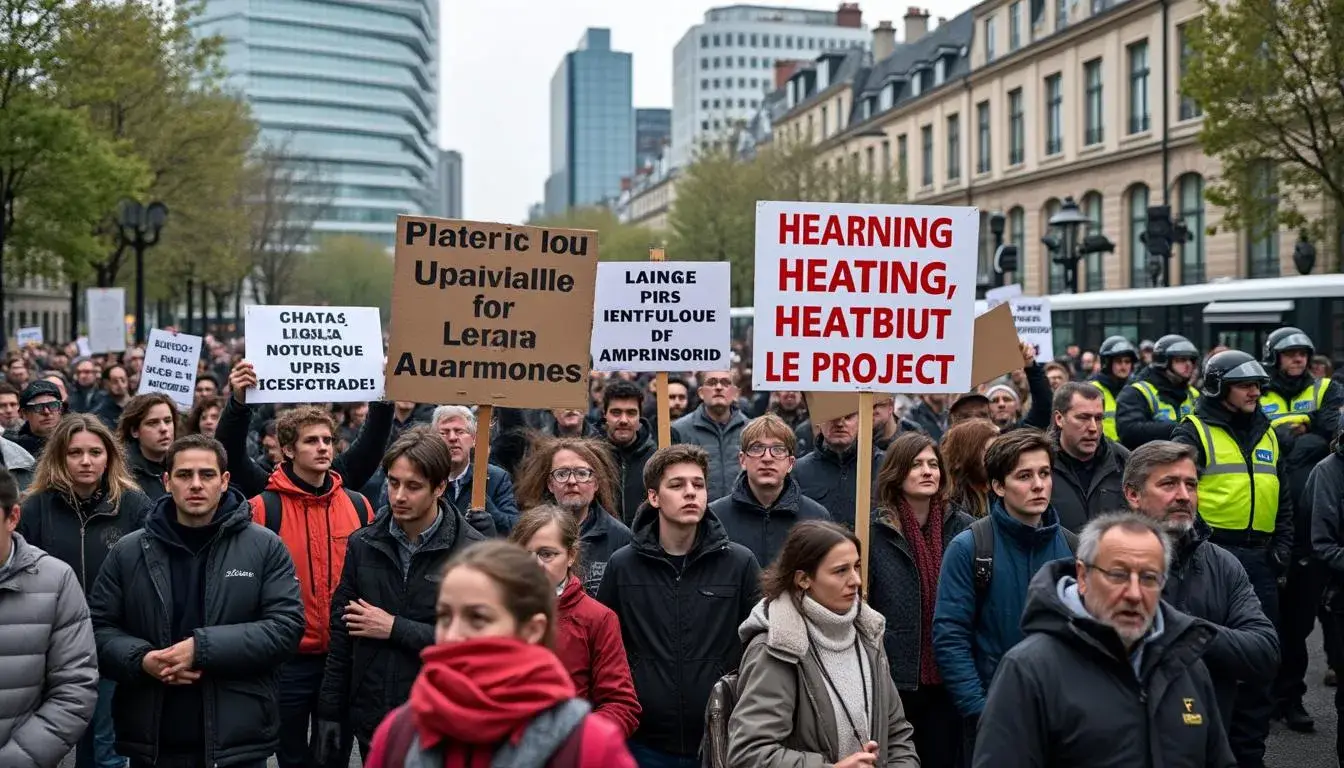
The dispute is growing around the heating project: increasing tensions between Clichy and Levallois
7 min read
At the crossroads of environmental issues and citizen expectations, a heating system renovation project between Clichy and Levallois-Perret is causing intense controversy. While the company Idex aims to invest 70 million euros to modernize the Levallois network through geothermal energy and waste heat recovered from a data center located in Clichy, tensions are escalating between the two neighboring municipalities. This innovative initiative, presented as a lever for sustainable development and substantial savings on energy bills, has triggered strong opposition, particularly from Clichy. The complexity of the project perfectly illustrates the difficulties encountered at the local level when the general interest, ecological concerns, and territorial demands come into conflict.
The innovative heating project between Clichy and Levallois: technical and environmental issues
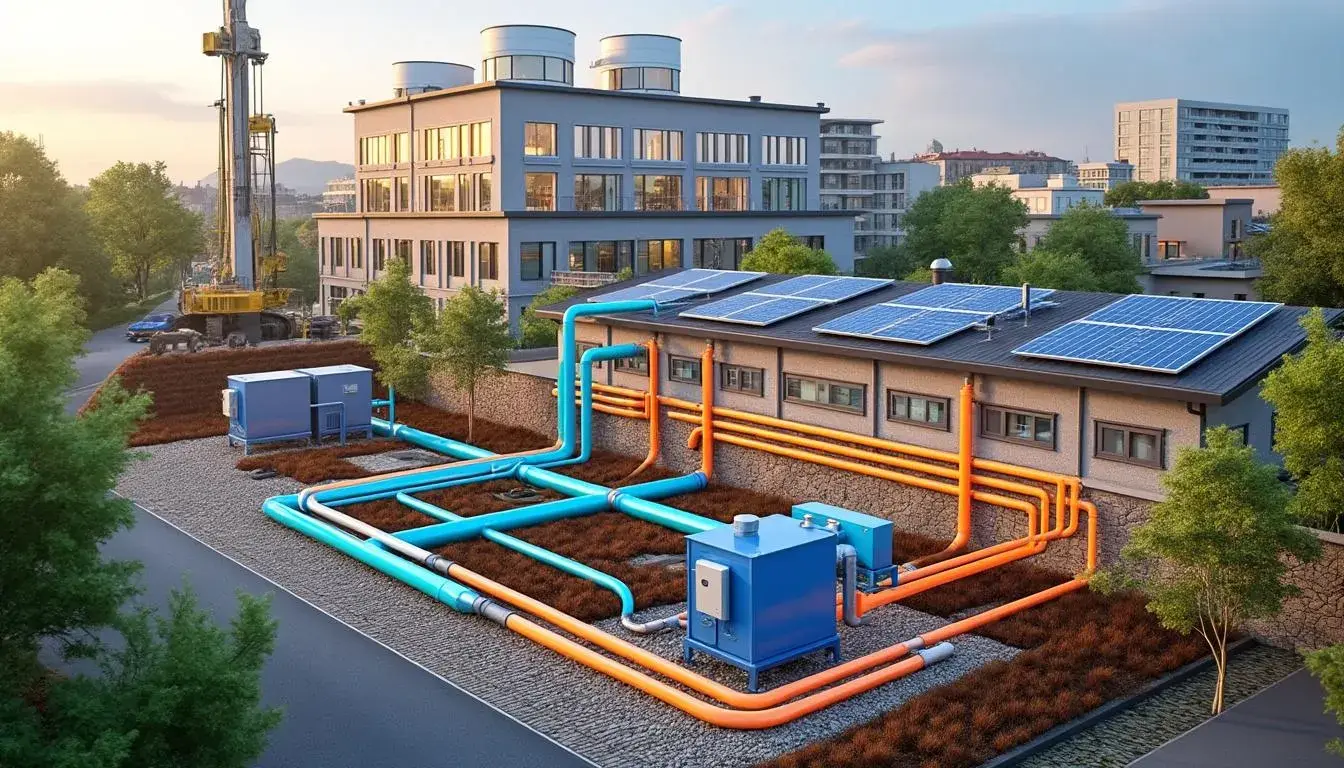
This ambitious program led by Idex, operator of the heating network in Levallois-Perret, focuses on two sources of renewable energy: deep geothermal energy and the valorization of waste heat from the data center located on Rue Petit in Clichy. The idea is to capture an often-overlooked energy source to efficiently supply the urban heating network while ensuring a significant reduction in greenhouse gas emissions and dependence on fossil fuels.
Deep geothermal energy involves exploiting the natural heat of the subsurface, captured using probes buried several hundred meters deep. This technique is recognized for its efficiency and stability, particularly in controlling heating temperature during winter. At the same time, recovering waste heat from the data center relies on a system for capturing the thermal excess generated by the computer servers, converted into energy for the centralized network in Levallois.
Here is a summary table of the main characteristics of the two technical levers:
Technology | Energy Source | Advantages | Limitations |
|---|---|---|---|
Deep Geothermal Energy | Natural heat of the subsurface | Stable renewable energy, reduced emissions | High initial investment, geological constraints |
Waste Heat from the Data Center | Thermal excess from servers | Valorization of a normally lost source, energy savings | Dependence on the operation of the data center, complex management |
Through this project, Levallois-Perret hopes not only to modernize its collective heating system but also to embed its development in a sustainable logic to address environmental issues. However, this initiative raises legitimate concerns from Clichy, particularly regarding the local impact of this installation on their territory.
The dispute in Clichy: health, territorial and democratic concerns
The main concern expressed by the Clichy municipality and its residents relates to the project's implantation on their land, where the data center is located that is used to supply the Levallois heating network. Mayor Rémi Muzeau has been particularly firm, notably denouncing a "project imposed without real consultation" and expressing strong reservations about potential health and environmental consequences.
The opposition is based on several issues:
Fear of increased local pollution: although heat recovery is a green technique, the activity of the data center generates high electricity consumption and significant thermal dissipation. Some residents fear an impact on air quality and thermal nuisance in their neighborhood.
Territorial rights and intermunicipal management: the fact that energy collected on Clichy territory is primarily used for Levallois evokes a sense of injustice, with a citizen demand for a better sharing of benefits.
Lack of transparency in the decision-making process: several elected officials and residents criticize a lack of information and a failure of genuine public debate, fueling tensions and discontent.
This type of conflict is not isolated, as illustrated by the controversy surrounding similar projects in the Lyon metropolitan area, where local opposition hinders the development of innovative heating plants more info here. This phenomenon is analyzed as an expression of the Nimby (Not In My Back Yard) syndrome, which reflects the refusal of local residents to integrate certain facilities considered harmful despite their overall benefits.
Origins of the opposition | Impacts cited by opponents |
|---|---|
Project perceived as imposed | Social tensions and loss of trust due to lack of dialogue |
Possible local environmental impacts | Thermal nuisances, air pollution, disruptions to the urban ecosystem |
Feeling of territorial injustice | Debate on the redistribution of energy and financial benefits |
Faced with these demands, the issue transcends the simple technical question to create a real political and social tension around the use of local energy.
The role of local authorities and territorial governance in managing the heating conflict
The tensions between Clichy and Levallois demonstrate how crucial urban heating governance is for local authorities. In the current context, where energy transition is a priority for France, authorities must carefully manage these projects involving multiple municipalities to ensure harmonious development compatible with the general interest.
Several levers can be mobilized by elected officials:
Strengthen consultation and transparency: organize public meetings and consultations to address citizens' questions and integrate their opinions into the project design. This avoids the emergence of unnecessary conflicts and allows for adapting technical solutions.
Establish profit-sharing mechanisms: redistribute part of the savings or benefits generated by the project to the directly affected residents, for example, through targeted assistance or preferential pricing.
Ensure rigorous environmental monitoring: measure the project's impacts independently and publish the results to reassure the population about air quality and potential nuisances.
Promote intermunicipal cooperation: develop partnership structures that transcend local divides and formulate common strategies around sustainable heating.
Such approaches are already being successfully tested in other French metropolises, as illustrated by the example of Meudon, where a network using heat from a data center is about to start discover this case. Studies show that early consultation is essential to limit opposition and ensure the sustainability of installations.
Action to be taken | Expected benefits |
|---|---|
Consultation and public dialogue | Social acceptance, consideration of citizen expectations |
Sharing financial advantages | Territorial justice, easing of tensions |
Independent environmental monitoring | Transparency, increased trust |
Intermunicipal cooperation | Sustainable and coherent development over a wider territory |
Essential fieldwork to guarantee technical and social success
It is essential that collective heating stakeholders conduct thorough technical work, as well as an approach of listening and supporting the population. Targeted interventions by professionals specialized in sanitary installation and heating are necessary to ensure effective assembly while respecting standards. Paul Leclerc emphasizes the importance of open dialogue to integrate local needs and propose tailored solutions to limit the divide between public stakeholders and local residents.
Future perspectives: how to build a sustainable and peaceful heating system in the Paris region?
The dispute surrounding the heating project between Clichy and Levallois illustrates the complexity of urban energy projects in densely populated areas. To envision a serene future, several directions can be developed:
Technological innovation: continually improve the energy performance of systems, incorporating advancements such as geothermal energy, waste heat recovery, or other renewable resources.
Citizen involvement: ensure real participation of residents throughout the project, with dialogue instances addressing citizen requests and concerns.
Financial aid policies: strengthen support mechanisms such as MaPrimeRénov' or other local subsidies to encourage the renovation of individual and collective installations, as mentioned in several heating networks to consult here.
Territorial integration: design joint projects between neighboring cities to optimize energy resources and fairly share economic and environmental returns.
The difficulties encountered between Clichy and Levallois reveal a national challenge, where sustainable development in collective heating must rely on a coordinated and inclusive effort. This energy transition requires technical mastery, but also solid work on social acceptance and political engagement.
Approaches for sustainable heating | Advantages |
|---|---|
Renewable technologies | Reduction of greenhouse gas emissions, energy savings |
Citizen consultation | Better acceptance, projects tailored to local needs |
Financial incentives | Stimulating energy renovations |
Shared territorial management | Optimization of resources, social justice between municipalities |
Collective heating represents a major share of urban energy consumption. Becoming more resilient and transparent is key to addressing climate-related challenges while meeting the expectations of residents and local authorities.
The economic and social impacts of the project on residents and communities
Beyond technical and environmental aspects, the heating project between Clichy and Levallois has tangible repercussions on the local economy and social life of the affected neighborhoods. Residents expect a reliable and economical service without deteriorating their living conditions, while municipalities seek to reconcile budgets, sustainable development, and citizen satisfaction.
The Idex program plans a significant reduction in energy costs for Levallois-Perret, which could ease the heating bills for households. This saving, obtained through the combined exploitation of geothermal energy and heat produced by the data center, is a strong point highlighted to justify the substantial initial investment. However, the opposition in Clichy raises questions about the equitable distribution of benefits and consequences:
Energy bill savings: an essential lever for low-income households during a period of rising energy prices.
Social costs related to potential nuisances: concerns about quality of life, noise, excess heat, and local pollution which can generate social tensions.
Creation of local jobs: modernization of infrastructure leads to prolonged interventions by local professionals, particularly in plumbing and heating.
Public and private investment: a partnership model that illustrates how public-private cooperation can contribute to sustainable development.
These socio-economic aspects deserve increased attention to ensure that the project does not exacerbate territorial inequalities and provides a satisfactory quality of life for all affected populations.
Impact | Expected consequences |
|---|---|
Reduction of heating costs | Improvement of purchasing power, support for vulnerable households |
Possible nuisances | Local opposition, potential decrease in quality of life |
Economic activity | Job creation in the territory, development of technical skills |
Public-private partnership | Acceleration of the energy transition, resource pooling |