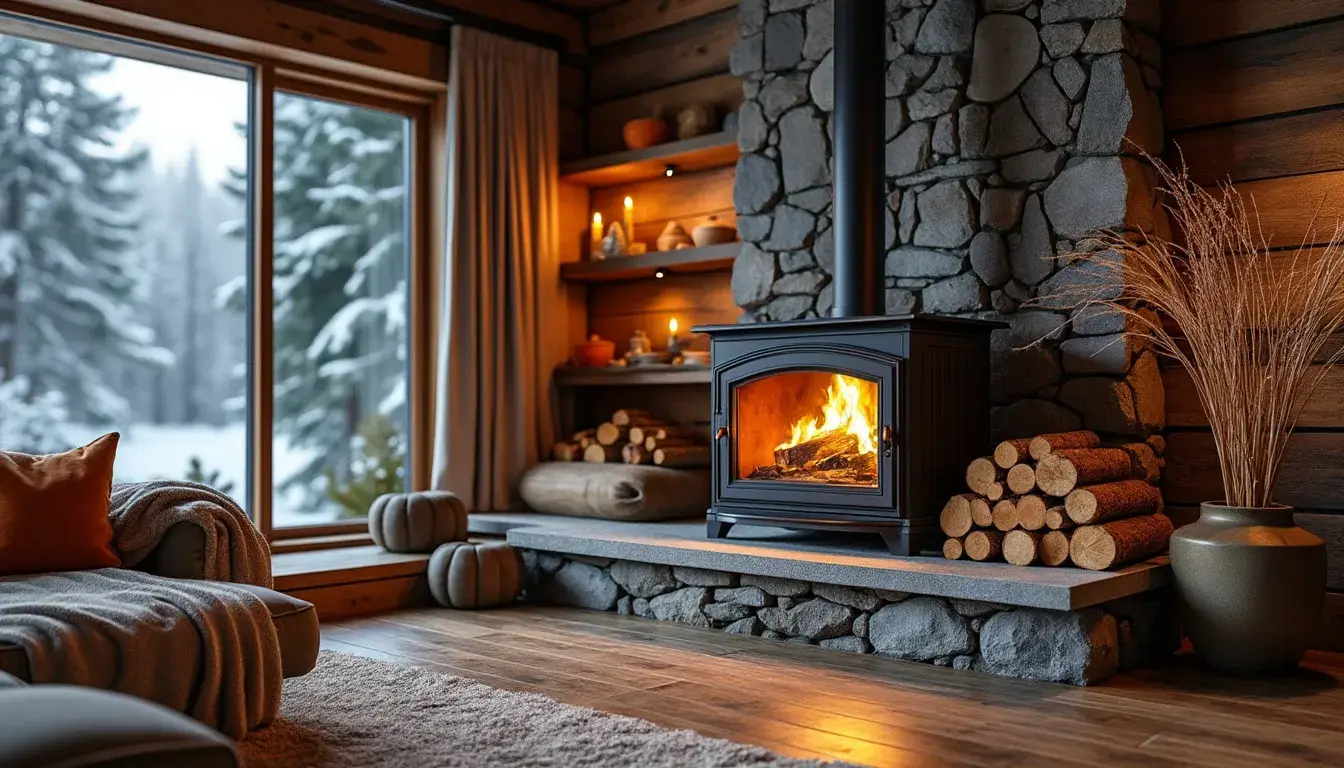
Wood heating: no bans or replacement obligations on the horizon
7 min read
As discussions about the energy future are in full swing, rumors about a possible ban on wood heating are widespread. However, official information tends to reassure users and professionals in the sector. Let's discover why, in 2025, wood heating remains a viable option without major constraints.
Current state of wood heating in France
Wood heating remains a popular method in France, both for its ecological aspect and for its energy efficiency. In 2025, despite growing environmental concerns, no legislative measures are foreseen to ban this heating system. French households continue to appreciate the natural warmth and authentic charm that wood provides.
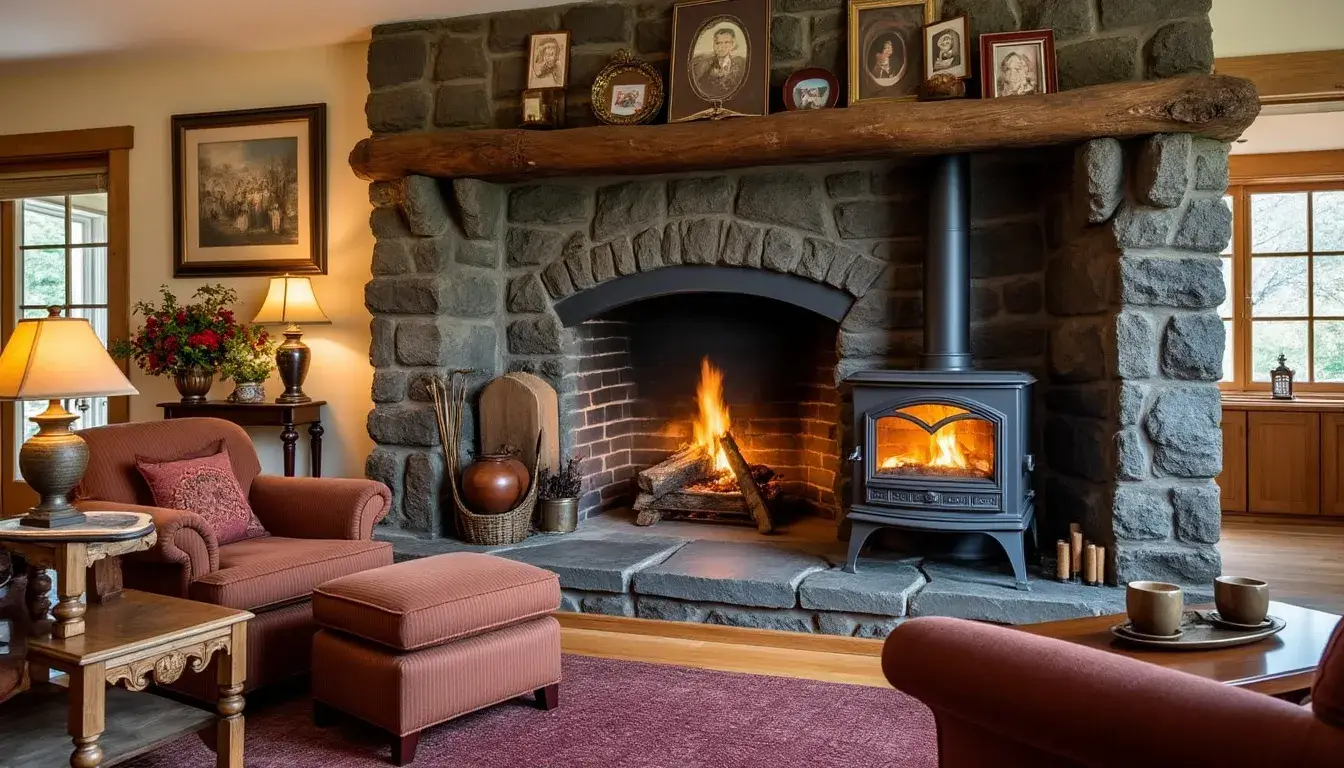
Statistics show that more than 10% of French households use wood as their main heating source. This preference is supported by a robust infrastructure and a wide range of devices available on the market, from traditional stoves to high-performance modern boilers.
The ecological advantages of wood heating
Wood is a renewable resource, making it an ecological choice when used responsibly. Unlike fossil fuels, wood emits less carbon when burned, thereby contributing to the reduction of households' carbon footprints. Moreover, sustainable forest management ensures a continuous availability of this resource.
Renewability: Wood is a natural resource that can be replanted and harvested sustainably.
Emission reduction: CO₂ emissions from wood are offset by carbon absorption during the trees' growth.
Local economy: Purchasing firewood supports the local economy and regional forestry operations.
Furthermore, technological advancements have improved the efficiency of wood heating devices, further reducing their environmental impact. Cleaner combustion systems and automatic regulation devices optimize wood consumption and minimize pollutant emissions.
Device Type | Energy Efficiency | Particulate Emissions |
|---|---|---|
Traditional stove | 60% | High |
Modern boiler | 80% | Moderate |
High-efficiency stove | 90% | Low |
The new European standards and their impact
In response to environmental concerns, the European Commission has introduced new standards for wood heating devices. However, these regulations do not aim to entirely ban wood heating but rather to regulate its use to minimize negative impacts.

The main measures include strengthening the thresholds for particulate emissions and imposing minimum energy efficiency standards. These requirements aim to encourage the use of cleaner and more efficient devices while preserving households' ability to continue using wood as a source of heat.
Impact of the standards on professionals in the sector
The new European standards require manufacturers and installers to comply with stricter guidelines. This may lead to a revision of product ranges and an adaptation of installations to meet ecological requirements.
Product revision: Manufacturers must invest in research and development to create compliant devices.
Professional training: Installers benefit from training to master new technologies and optimized installation techniques.
Monitoring and compliance: Regular checks ensure that installed devices meet established standards.
Despite these adjustments, legislative proposals do not foresee any total ban on wood heating by 2027. On the contrary, they seek to improve the quality and energy efficiency of existing systems.
Learn more about European standards
Wood heating methods: tradition and innovation
Wood heating relies on a rich tradition while integrating technological innovations. This combination allows users to benefit from the authentic warmth of wood while optimizing energy efficiency and reducing emissions.
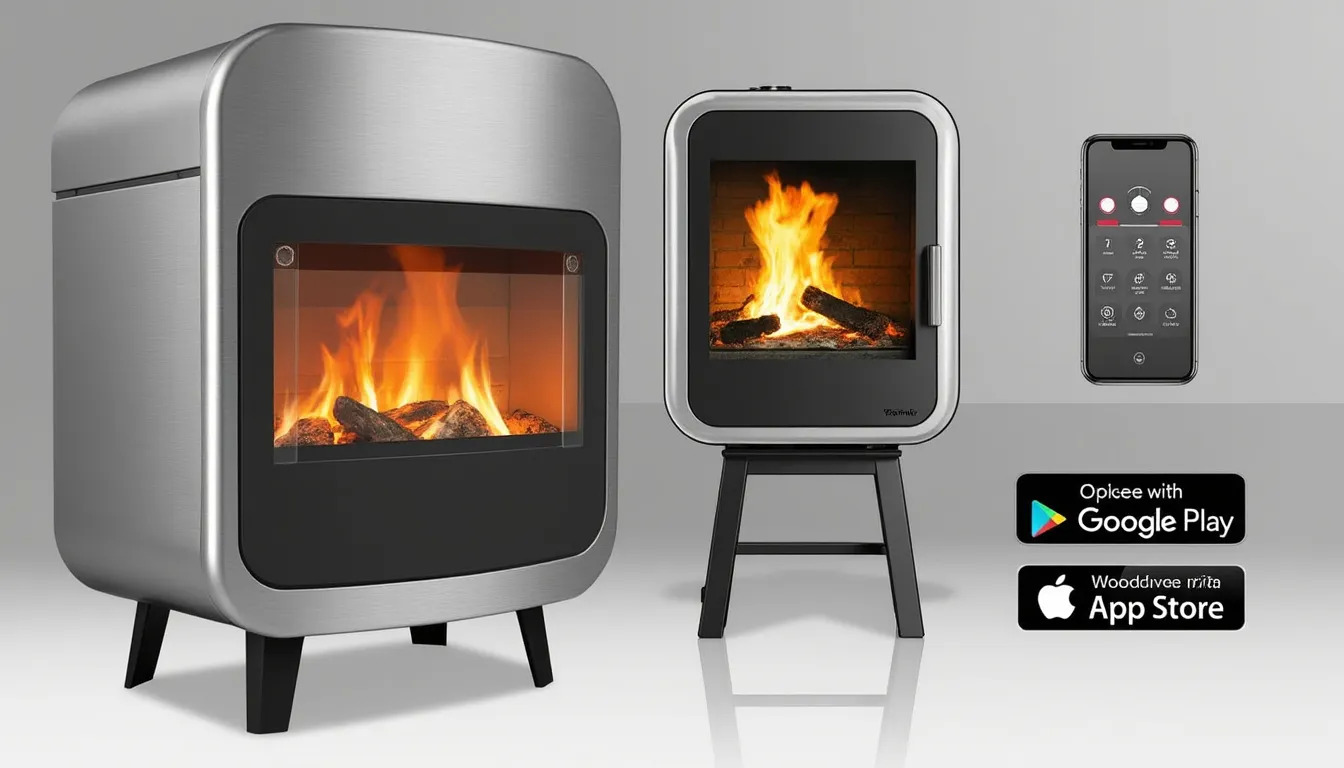
Traditional methods, such as open fireplaces, offer a warm aesthetic but are less energy efficient. In contrast, modern stoves and boilers leverage advanced technologies to maximize combustion and minimize heat loss.
Technological innovations in wood heating
Recent innovations include automatic regulation systems, high thermal efficiency materials, and emission reduction devices. These advancements reconcile the charm of wood with contemporary performance requirements.
Regulation systems: Maintain a constant temperature while optimizing wood consumption.
Advanced materials: Use of refractory ceramics to enhance heat retention capacity.
Filtration technologies: Reduce fine particulate emissions and other pollutants.
Brands such as Godin, Jotul, and Brisach are at the forefront of these innovations, offering devices that combine tradition and modernity. These manufacturers continuously invest in research to develop sustainable and high-performing solutions.
Brand | Main Innovation | Advantages |
|---|---|---|
Godin | Automatic regulation systems | Constant temperature, wood savings |
Jotul | High thermal efficiency materials | Better heat retention, durability |
Brisach | Advanced filtration technologies | Emission reduction, environmental respect |
Thanks to these innovations, wood heating remains an attractive and environmentally friendly option, capable of meeting the energy needs of modern households while preserving traditions.
Financial aid for wood heating
To encourage the adoption of efficient wood heating solutions, various financial aids are available. These grants and tax credits aim to reduce installation and maintenance costs, making wood heating even more accessible.
Financial aids can cover a significant part of the purchase and installation costs of wood heating devices. They are often conditioned on the use of materials or technologies that comply with certain environmental standards.
Types of available aids
Government grants: Direct aid for the purchase of equipment that meets standards.
Tax credits: Tax reductions for investments in ecological heating systems.
Local aids: Financial support specific to certain regions or departments.
In the Grand Est region, for example, several grants are available for households wishing to install a high-performance wood heating system. These aids help to offset initial costs and encourage the adoption of sustainable energy solutions.
Discover financial aids in Grand Est
Type of aid | Maximum amount | Eligibility conditions |
|---|---|---|
National grant | 1,500 € | NF certified devices |
Tax credit | 30% of expenses | Installation by a professional |
Regional aid | 800 € | Residents of Grand Est |
These aids not only facilitate the acquisition of high-performance wood heating systems but also encourage a more responsible and ecological use of this resource.
More information on financial aids
Practical tips for optimizing your wood heating
To get the most out of your wood heating system, some good practices should be adopted. From installation to regular maintenance, these tips will help you maximize the efficiency of your installation while ensuring its longevity.
A correct installation is essential to ensure the proper functioning and safety of your wood heating device. Calling on a certified professional, such as Paul Leclerc, ensures a setup compliant with standards.
Optimizing wood consumption
To reduce your wood consumption and optimize the performance of your heating, it is crucial to choose the right type of wood and master combustion techniques.
Choice of wood: Prefer hard woods like oak or beech, which burn longer and produce more heat.
Proper storage: Keep wood in a dry place to ensure optimal combustion.
Combustion techniques: Good air management allows for more complete and efficient combustion.
Regular maintenance of your device is also crucial. Clean smoke ducts, check seal joints, and ensure that components function correctly to avoid any malfunctions.
Maintenance | Frequency | Recommended actions |
|---|---|---|
Duct cleaning | Annual | Remove soot and tar deposits |
Seal checking | Seasonal | Replace worn seals |
General inspection | Biannual | Check internal components |
By following these tips, you will ensure not only the optimal performance of your wood heating system but also its durability and safety.
The future prospects for wood heating
Wood heating continues to evolve thanks to technological innovations and ecological initiatives. Future prospects indicate an increased adoption of cleaner and more efficient solutions, reinforcing wood's position as a preferred energy source for French households.
Current research focuses on improving combustion systems, integrating renewable energies, and reducing pollutant emissions. These efforts aim to make wood heating even more environmentally friendly and suitable for future energy demands.
Integration of renewable energies
The integration of wood heating with other renewable energy sources, such as solar panels or heat pumps, offers hybrid heating solutions. This combination optimizes energy consumption and further reduces the carbon footprint of households.
Hybrid systems: Combining wood with other energies for maximum efficiency.
Smart technologies: Using automated control systems to manage energy consumption.
Complementary sources: Integrating solar or wind energies to diversify heating sources.
Moreover, the growing awareness of climate issues encourages consumers to adopt more sustainable practices. Heating manufacturers such as Invicta and Skantherm are investing in the development of innovative technologies to meet this rising demand.
Trend | Description | Expected impact |
|---|---|---|
Optimized combustion | Improvement of combustion systems for increased efficiency | Reduction of wood consumption and emissions |
Automation | Use of smart technologies for heating management | Optimization of energy consumption |
Energy hybridization | Combining wood with other renewable energy sources | Increased efficiency and reduced carbon footprint |
These prospects show that wood heating is far from outdated. On the contrary, it is reinventing itself to adapt to contemporary needs, ensuring its sustainability and appeal for future generations.
Future prospects for wood heating
FAQ
Q1: Is wood heating really ecological?
A: Yes, when used responsibly and with modern devices, wood heating can be an ecological option due to its renewable nature and reduced emissions.
Q2: What financial aids are available for installing a wood heating system?
A: Several aids exist, such as government grants, tax credits, and local aids specific to certain regions, particularly in Grand Est.
Q3: Will the new European standards ban wood heating?
A: No, the standards primarily aim to regulate and improve the efficiency of wood heating devices without planning for a total ban.
Q4: How can I optimize wood consumption for heating?
A: By choosing hard woods, properly storing wood, and mastering combustion techniques, you can optimize your consumption and enhance your heating efficiency.
Q5: What recent innovations are there in the field of wood heating?
A: Innovations include automatic regulation systems, high thermal efficiency materials, and advanced filtration technologies, thereby enhancing performance and durability of devices.
#>