Pierrelatte: the modernization of the urban heating network reaches its interim milestone
6 min read
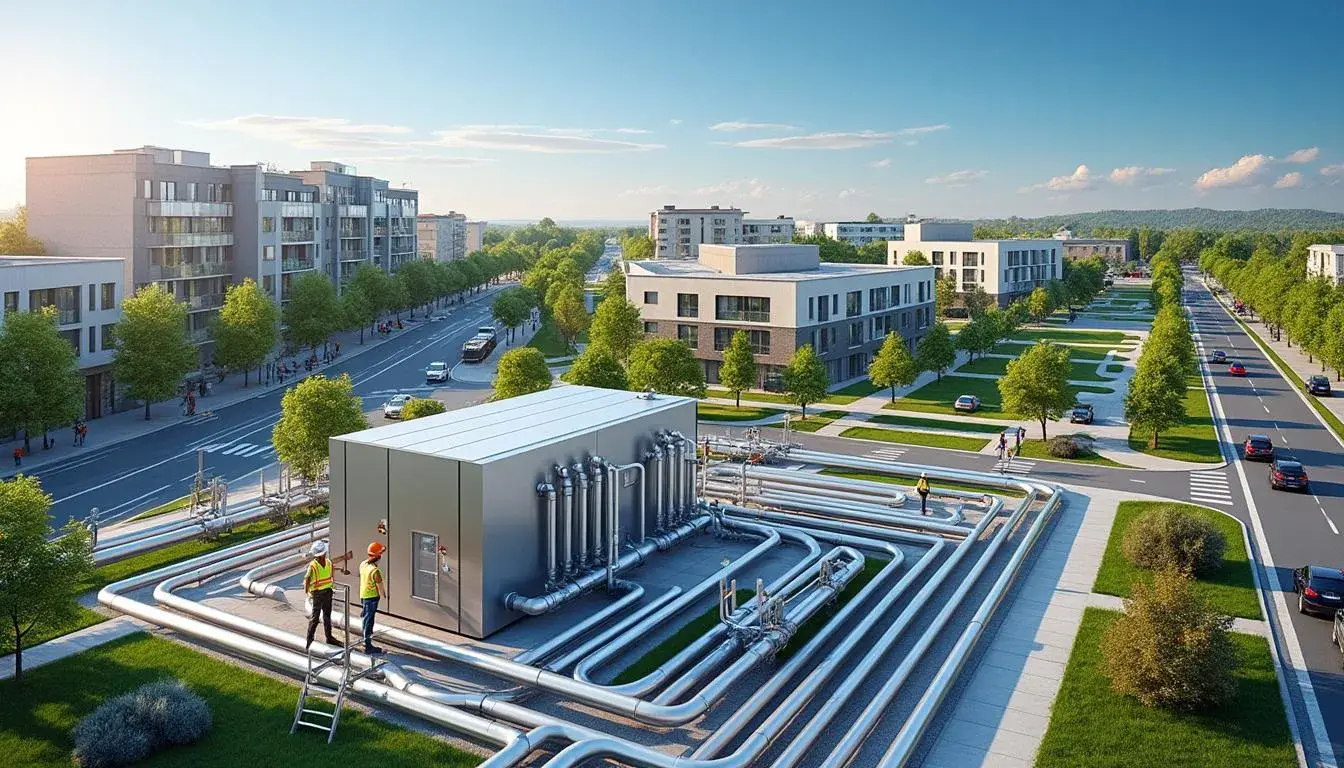
In Pierrelatte, the modernization of the urban heating network is experiencing a major advancement in 2025. After several months of intense work, half of the 14 kilometers of the network has already been renewed, reflecting the city's strong desire to provide its residents with cleaner, more efficient, and sustainable energy. This remarkable project is fully aligned with the context of energy transition, promoting an energy mix relying over 80% on local biomass. The modernization is also accompanied by an extension of the network, so that urban heating can reach more users while reducing ecological impact.
A large-scale project: modernization and expansion of the urban heating network in Pierrelatte
The urban heating network of Pierrelatte is a fundamental infrastructure that has been providing heat to residents and local industrial facilities for several decades. In 2025, this network comprises 14 kilometers of underground pipes distributed throughout the city and its surroundings. This system, operated by Drôme Energie Services, a subsidiary of the Coriance group, relies mainly on a biomass plant that uses local renewable resources.
In response to the aging installations, the necessity for a complete modernization has become imperative to optimize energy efficiency and ensure the sustainability of this resource. The current phase of the project, already at the halfway point, thus aims for the near-total replacement of obsolete pipes and equipment, with a focus on improving durability and overall performance.
The ongoing works are aimed at:
The renewal of the 14 km network with modern and durable materials
The optimization of thermal losses through better pipe insulation
The integration of new technologies for more precise temperature regulation
The gradual extension of the network to new neighborhoods to increase coverage
This project is not limited to simple renovation but is part of a dynamic of innovation and ecology, aiming to address the challenges related to energy transition. Through these efforts, Pierrelatte aims to achieve a share of 86% biomass in its urban heating energy mix, thus strengthening its leadership in sustainable solutions.
Key aspects | Project details |
|---|---|
Total network length | 14 kilometers |
Current state of work | 7 kilometers renovated and returned to service |
Main energy source | Local biomass (>80% of the energy mix) |
Environmental objective | Reduction of emissions and better sustainability |
Operator | Drôme Energie Services (Coriance Group) |
To better understand the scope of this work, it is useful to consult the official page of the City of Pierrelatte dedicated to the Coriance project, which details the schedule and impacted areas.
The technological and ecological stakes of renovating the urban heating network
The core of this modernization is based on essential technological adaptations to meet current performance and ecological requirements. The urban heating network of Pierrelatte uses biomass which, over the years, has demonstrated its energy efficiency and low carbon impact compared to fossil fuels. However, the longevity of the network presents notable challenges.
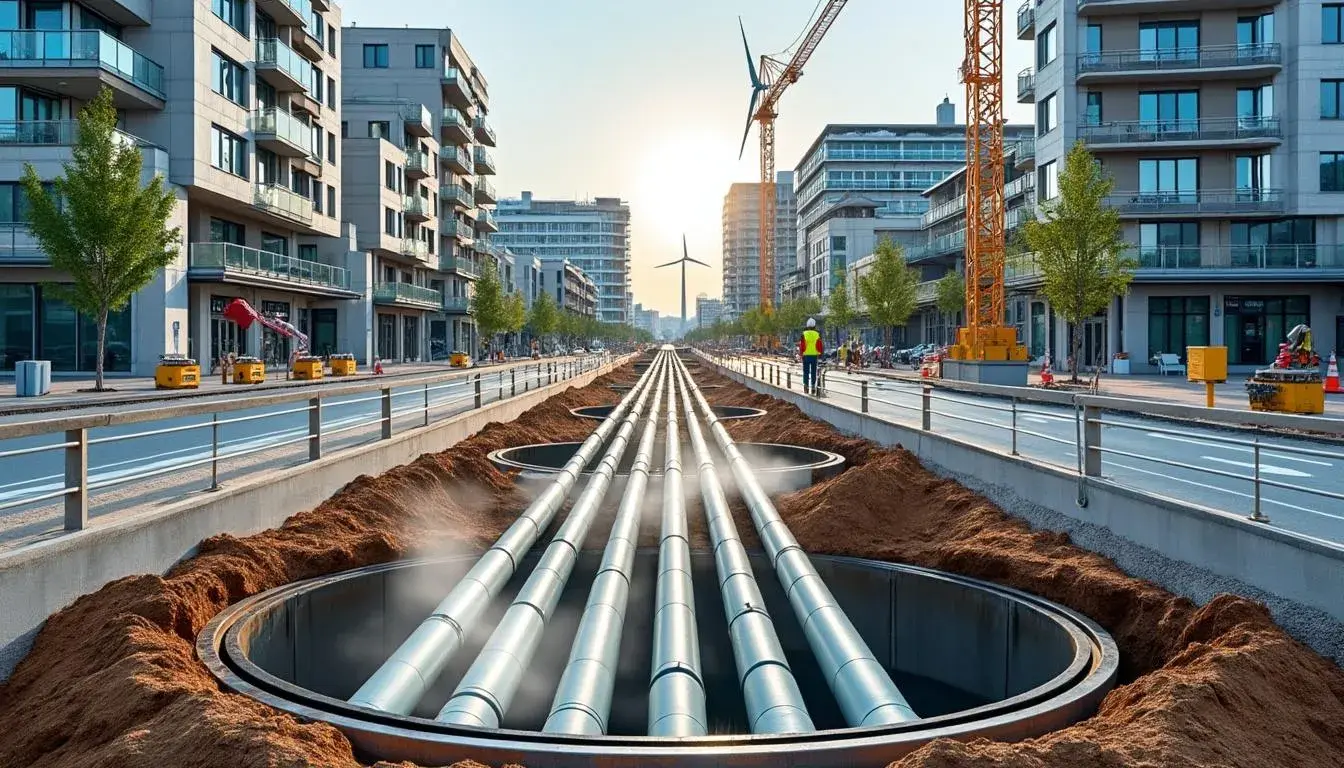
Many areas suffered from wear caused by corrosion, significant heat losses due to an outdated insulation system, as well as occasional ruptures causing supply interruptions. Completely refurbishing the network has allowed the use of:
High-strength stainless steel pipes to limit corrosion and wear
Thermal insulation optimized by innovative materials, significantly reducing heat losses
Facilitated maintenance through precise equipment localization using digital sensors
This approach significantly contributes to the overall sustainability of the infrastructure. It allows for appreciable energy gains, translating into a net reduction in consumption. This type of innovation aligns perfectly with the energy transition objectives at both the local and national levels, promoting lower-carbon energy, regularly praised in technical reports, such as those produced by the biomass plant in Pierrelatte.
Challenges encountered | Solutions provided |
|---|---|
Corrosion of pipes | Stainless steel pipes |
Weak thermal insulation | Reinforced insulation with innovative materials |
Manual and imprecise thermal regulation | Connected intelligent automated system |
Service interruptions due to leaks | Digital sensors for predictive maintenance |
If you want to delve into the techniques and innovations in the modernization of urban heating systems, many resources are available, notably on Prime Coup de Pouce Chauffage, which supports professionals and individuals in energy efficiency initiatives.
The social and economic dimension of energy transition in Pierrelatte
Beyond the technical aspects, the renovation of the urban heating network in Pierrelatte is also an operation that generates positive social and economic impacts. By modernizing infrastructure, the municipality strives to ensure a sustainable, reliable, and accessible service to all its residents, limiting the uncertainties related to breakdowns or aging.
One of the essential challenges is to control the cost of energy for subscribers, especially since the increase in prices due to the global spike in fossil energy has been strongly felt in recent years. By optimizing energy performance, the City fights against energy poverty by reducing the overall bills of users.
Creation and maintenance of local jobs related to the works and operation
Improvement of residents' comfort through stable and uniform heat
Involvement of local economic players in the production and distribution of biomass
Development of a regional green industry and technological excellence
It is important to note that this virtuous model is supported by public and private partners, who invest in a more environmentally friendly energy future. The Heat Network Syndicate, the City, and companies like Coriance are working closely to make this project exemplary in terms of service quality. You can learn more about this fruitful collaboration by consulting this official news.
Socio-economic advantages | Impact |
|---|---|
Reduction of energy costs | Lower burden for households and businesses |
Local jobs | Sustainable integration into the economic fabric |
Strengthening ties with local producers | Promotes circular economy and regional biomass |
Improved comfort | Homogeneous heat, better regularity |
The future prospects for urban heating in Pierrelatte
The project engaged in urban heating in Pierrelatte is not limited to simple technical renovation. It is also a reflection of a broader ambition: to prepare the city’s energy future with a sustainable and innovative logic. The network's extension in the coming years will enable an increasing number of users to be integrated, particularly in developing neighborhoods, thereby contributing to a broader energy outreach.
Upcoming planned steps include:
The gradual coverage of urban areas not yet connected
Diversification of energy sources with the possible integration of heat from green waste
Optimization of digital control systems for better consumption monitoring
Raising residents' awareness of rational use and maintenance of installations through local campaigns
Local authorities can also take advantage of aid and subsidies dedicated to energy renovation and the improvement of heating systems. These mechanisms encourage projects for installation and improvement, both for the public and private sectors.
In summary, the modernization of urban heating in Pierrelatte is a concrete example of a successful integration between renewable energy, technical innovation, and local commitment. The renovated network illustrates an ecological vision that addresses today's climate challenges while remaining close to residents' expectations.
Future Steps | Planned Actions |
|---|---|
Network extension | Connect new neighborhoods and industrial areas |
Energy diversification | Integration of complementary sources such as green waste |
Advanced control systems | Improve monitoring and real-time regulation |
Awareness actions | Inform residents about best practices |
Technical advice for properly maintaining and optimizing urban heating in Pierrelatte
Regular and appropriate maintenance is essential to maintain the reliability and efficiency of an urban heating network, even when modernized. For subscribers and managers, understanding best practices can prevent many inconveniences and optimize performance.
Here are some precise recommendations:
Thermal monitoring: Use digital tools at your disposal to monitor temperature and detect abnormal discrepancies
Regular checks: Schedule diagnostics and inspections of installations to anticipate leaks or failures
Energy savings: Regulate consumption by adapting needs to the most efficient time slots
Preventive maintenance: Call on qualified professionals, such as those recommended by Prime Coup de Pouce Chauffage to ensure rigorous follow-up
Information and training: Stay informed about technical evolutions and participate in local awareness operations
This meticulous follow-up not only maximizes the longevity of infrastructures but also contributes to the environmental and economic balance of the network. The energy transition is not limited to the installation of new facilities; it extends into their daily maintenance.
Good practice | Associated advice |
|---|---|
Thermal monitoring | Use digital sensors to quickly detect anomalies |
Checks and diagnostics | Carry out periodic inspections to anticipate breakdowns |
Consumption regulation | Adapt usage to the most efficient periods |
Professional maintenance | Seek qualified and experienced experts |
User information | Participate in energy education campaigns |
To benefit from reliable service, whether in installation, renovation, or heating repair, it is advisable to consult recognized specialists. Those who, like Paul Leclerc, emphasize the quality and longevity of the solutions implemented.