
A wave of panic is slowing down sales of wood heaters: why changing today seems unnecessary
5 min read
The wood heating sector in France is currently shaken by a wave of uncertainty. A lack of understanding of new European regulations is causing panic among consumers, thus slowing sales and disrupting the market. This article explores the reasons behind this concern, demystifies the real stakes of the regulation, and offers perspectives for the future of wood heating.
Understanding the European regulation on wood heating
The recent Ecodesign European regulation aims to reduce the environmental impact of wood heating systems. However, much misinformation is circulating, leading to a general misunderstanding among the French population.
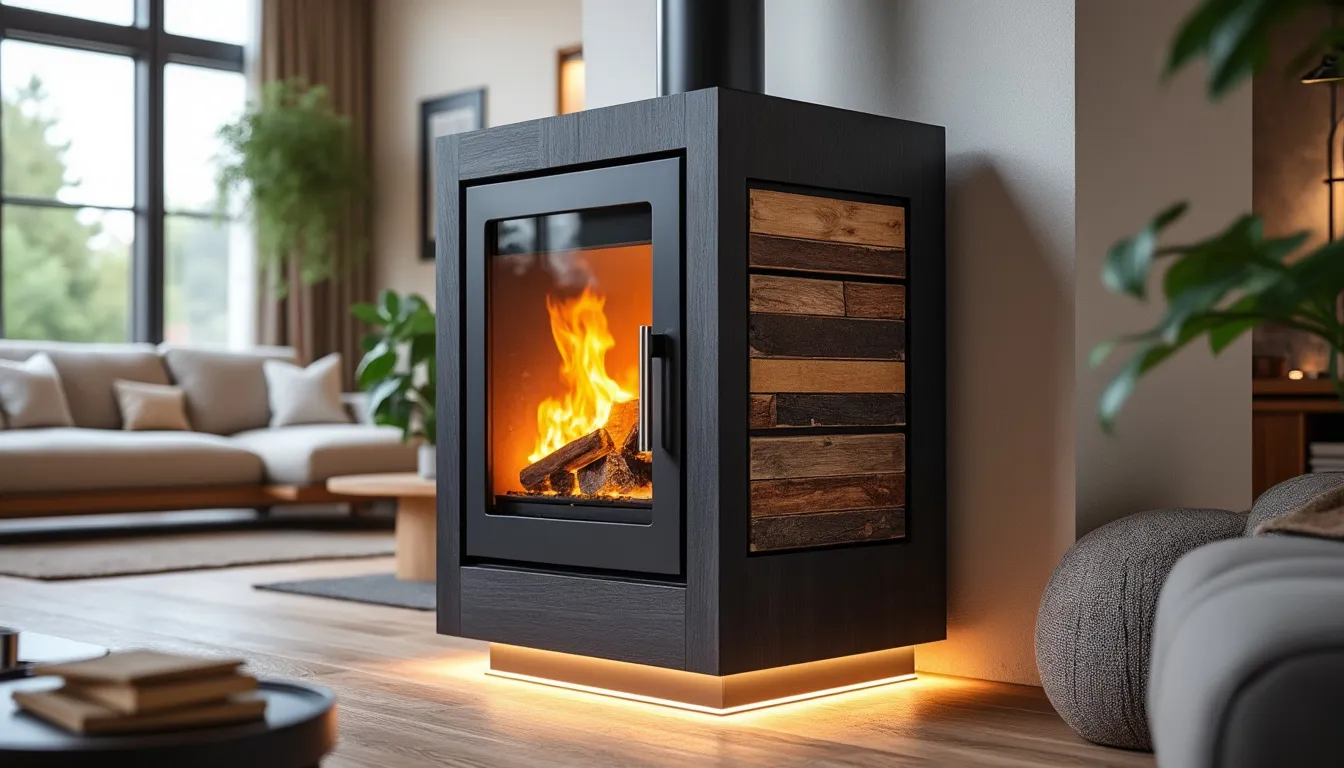
The new European standards
Adopted to limit polluting emissions, these standards primarily target the oldest and most energy-consuming devices. Only about 10% of current wood heaters will be concerned, mainly those installed before 2012.
To learn more about the new European standards, consult this detailed article.
Which devices are affected?
Unlabeled old stoves, open fireplaces, and obsolete wood boilers are the main targets of this regulation. These devices are responsible for 21% of the carbon emissions in the wood heating sector.
Impact on the environment and ecology
The compliance aims to reduce fine particles emitted, thus improving air quality and contributing to the fight against climate change. This initiative is part of a wider approach towards sustainability and ecology.
Exceptions and sustainable alternatives
Next-generation wood stoves certified EcoLabel are exempt from this ban. They offer an ecological and efficient alternative, while ensuring optimal thermal comfort.
Type of device | Status | Year of installation |
|---|---|---|
Unlabeled stove | Banned from 2027 | Before 2012 |
Open fireplace | Banned from 2027 | N/A |
Obsolete wood boiler | Banned from 2027 | Before 2012 |
EcoLabel stove | Allowed | After 2012 |
For more information on wood heating regulations, check out our complete guide.
The impact of panic on sales of wood heating professionals
The confusion surrounding the regulation has a direct effect on the sales of wood heating professionals. Charles Morales, manager of Le Poêle Scandinave in Auch, notes a decrease in purchase decisions since February.
Testimonials from professionals
According to Charles Morales, "we are seeing a linear attendance and a decrease in purchase decisions". This situation highlights the need for professionals to better communicate the true impacts of the regulations.
Sales statistics before and after the panic
Before the announcement of the new standards, sales of wood stoves were increasing, with an annual installation of 250,000 to 400,000 units. Since then, a significant decline has been observed.
Period | Annual sales | Trend |
|---|---|---|
Before February 2025 | 350,000 | Increasing |
Since February 2025 | 300,000 | Decreasing |
How to reassure clients
In the face of this panic, professionals must reassure their clients by providing accurate information and highlighting compliant alternatives. Transparency and expertise are essential to regain trust.
Commercial strategies in the face of uncertainty
Clear communication about the standards
Promotion of EcoLabel certified devices
Promotional offers for new purchases
Personalized advice for each client
Discover our comparisons of economical heaters to better guide your choices.
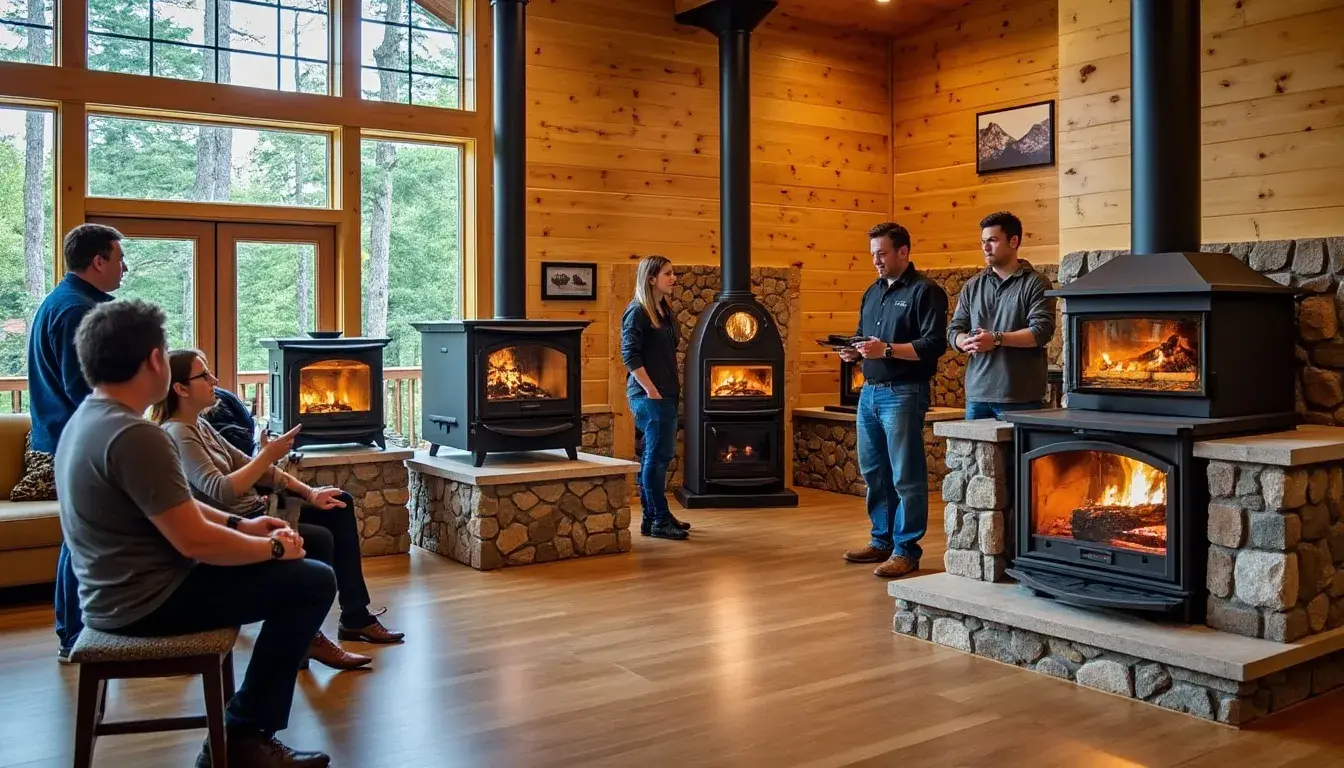
Consumers' concerns regarding heating system changes
Consumers hesitate to invest in a new heating system due to regulatory uncertainties. This leads to stagnation in purchase decisions and hinders the adoption of more ecological solutions.
The cases of Marie-Pierre and Serge
Marie-Pierre, in the midst of renovations, considered changing her heating system. Influenced by misleading information, she nearly gave up before consulting a professional. Similarly, Serge initially had doubts but was reassured in-store.
Common misconceptions
More than half of the French mistakenly believe that all wood heaters will be banned by 2027. This misunderstanding mainly concerns non-compliant devices, while modern alternatives remain authorized.
Why changing today may seem unnecessary
The fear of having to change again in a few years makes consumers reluctant to invest. However, current solutions are designed to be sustainable and compliant with future regulations, making change relevant and not unnecessary.
The benefits of wood heating despite regulations
Energy savings thanks to modern models
Support for renewable energies
Reduction of carbon footprint
To understand the real impacts of the regulation, consult this article.
The future of wood heating: perspectives and solutions
Despite the challenges, the future of wood heating remains promising thanks to innovations and the adoption of renewable energies. Professionals and consumers can together build a more sustainable future.
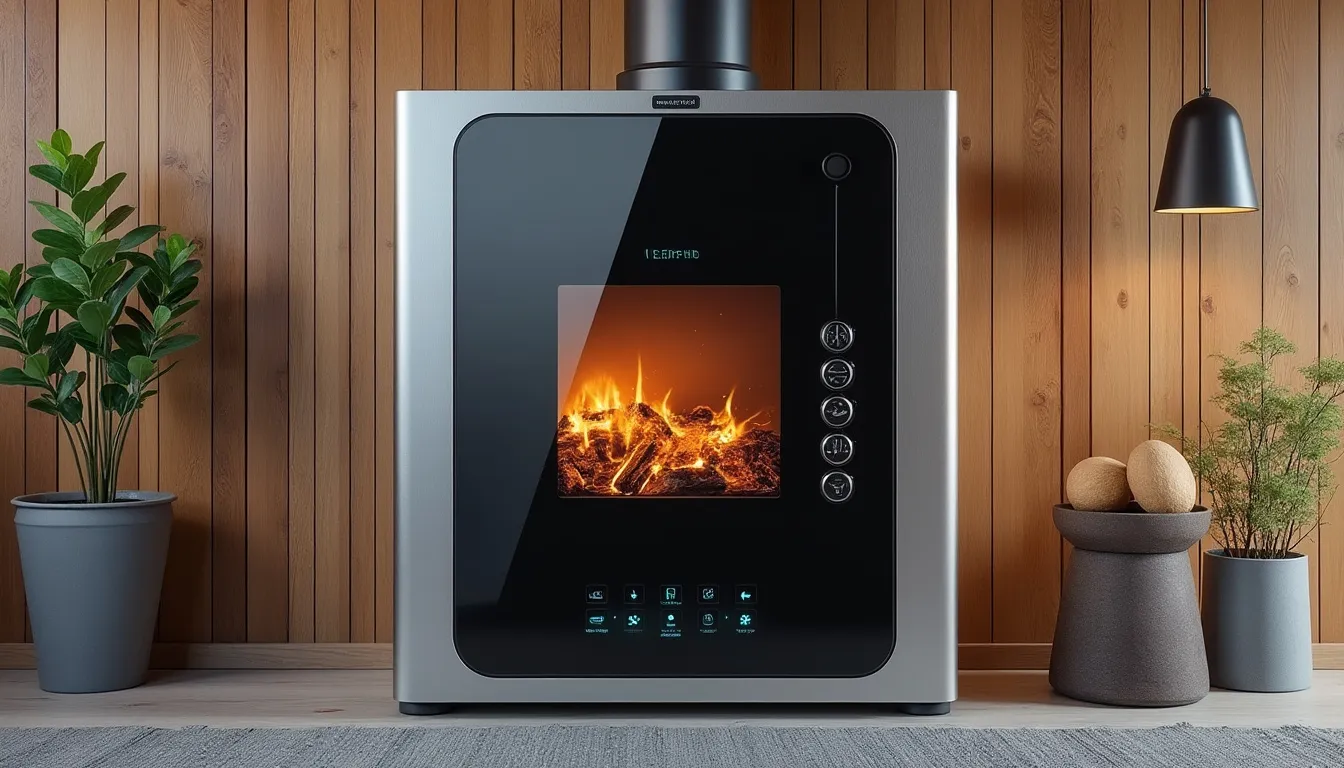
The adoption of renewable energies
Wood heating fits perfectly into the energy transition, offering a source of renewable energy and contributing to the reduction of greenhouse gas emissions. New technologies make this heating method even more appealing.
Innovations for improved thermal comfort
The latest innovations enhance thermal comfort while minimizing environmental impact. Smart stoves automatically adjust combustion for maximum efficiency.
Energy savings and sustainability
Investing in modern wood heating allows for significant energy savings. Furthermore, these systems are designed to be sustainable, ensuring effective resource utilization.
Ecology at the heart of new solutions
Manufacturers integrate eco-friendly materials and clean technologies to meet environmental requirements. These solutions contribute to a lifestyle more respectful of the planet.
Innovation | Advantages | Ecological impact |
|---|---|---|
Smart stoves | Optimization of combustion | Reduction of emissions |
Recycled materials | Increased durability | Lesser carbon footprint |
Automatic air distribution systems | Improved thermal comfort | Reduced energy consumption |
Discover the comparisons of eco-responsible solutions to choose the system best suited to your needs.
FAQ
What are the main European regulations concerning wood heating?
The Ecodesign European regulations aim to ban the most polluting devices, such as unlabeled old stoves and obsolete boilers, starting in 2027. Only EcoLabel certified models are allowed.
What advantages do modern wood stoves offer?
Modern wood stoves provide optimal thermal comfort, energy savings through optimized combustion, and contribute to sustainability and ecology.
Is it necessary to change my current heating system?
If your system is old and non-compliant, it is recommended to replace it with an EcoLabel certified device. This ensures not only regulatory compliance but also improved energy and ecological performance.
How can professionals reassure clients?
Professionals should provide clear information about regulations, promote certified devices, and offer personalized advice to help clients make informed and sustainable choices.
What are the future developments in wood heating?
Innovations focus on smarter and more ecological technologies, such as smart stoves and the use of recycled materials, aiming to improve energy efficiency and reduce carbon footprint.