end of wood heating in 2027: discover the list of impacted devices
6 min read
For several months, a persistent rumor has been stirring households: wood heating would be banned in France as of 2027, to better comply with the new European regulations. This announcement has raised concerns and questions among loyal users of this economical and ecological heating method. But what is the reality? Should we expect to change our installations in the coming years? This article sheds light on the true stakes of this reform, the list of affected devices, the deadlines foreseen, and the solutions to consider for a smooth transition.
wood heating prohibited in 2027: a partial reality
The announcement of the ban on wood heating in 2027 has sown doubt among many French people. However, contrary to popular belief, the upcoming European regulation does not aim to ban all wood stoves and boilers, but only the models considered the most polluting. According to a study conducted by the German manufacturer HASE, more than half of the French expect a general ban within two years. Yet, only 10% of them have correctly identified the devices actually affected by the forthcoming directive.
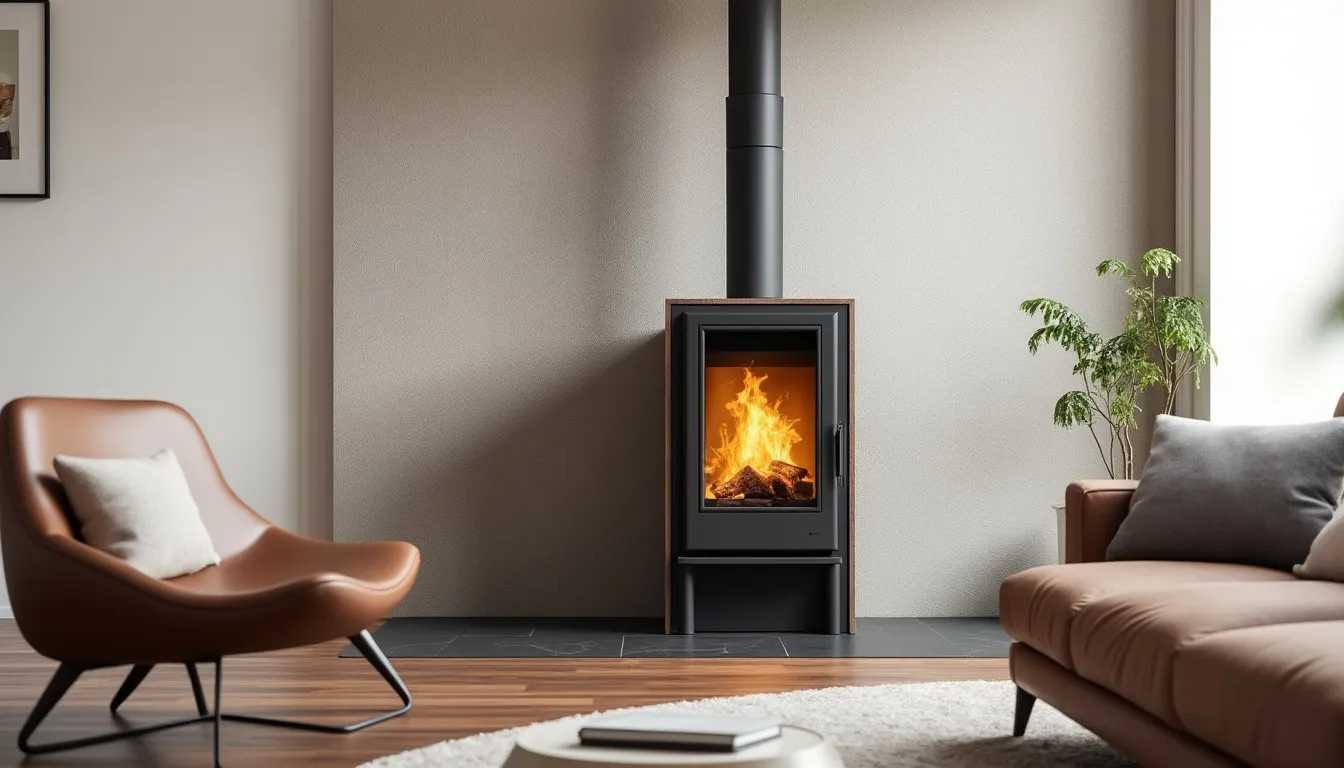
In reality, the European Commission plans to restrict the sale of the least efficient equipment in terms of energy and environmental performance. This distinction is essential to understand the actual impact of the new regulation. Only about 10% of the wood heating sector is affected, but these devices account for 21% of the total emissions related to this heating method, thus justifying a targeted reform.
The equipment targeted by this directive mainly includes:
Old wood stoves that are not labeled or do not meet current standards.
Open fireplaces, very common in old homes, which are inefficient and emit a high amount of fine particles.
Old wood boilers that are several decades old, characterized by low energy efficiency.
These devices, although representing a minority, are responsible for a disproportionate share of emissions, making their exclusion logical in the fight against air pollution. For more details, refer to this article from La Voix du Nord.
list of devices affected by the new regulation
The list of devices impacted by the future ban focuses on the most polluting models. Here is a summary table of the main affected equipment:
Type of device | Affected brands | Reasons for the ban |
|---|---|---|
Non-labeled wood stoves | Godin, Hwam | High emissions of fine particles and carbon monoxide |
Open fireplaces | Nordpeis, Spartherm | Low energy efficiency and high pollution |
Old wood boilers | Dovre, Bullerjan | Low efficiency and significant emissions |
These brands, among others like GEF and Invicta, are particularly affected due to their old models no longer meeting current environmental standards. For a complete official list, refer to this source.
replacement solutions in light of the ban
In light of this future ban, it is essential to know the available alternatives to replace the affected wood heating devices. Fortunately, several ecological and economical options exist, allowing for the maintenance of thermal comfort while respecting the new standards.
Among the possible solutions:
Biomass boilers: Using wood pellets or compressed logs, they offer high energy efficiency and low pollutant emissions.
Heat pumps: Highly efficient, they allow for heating and cooling of homes while consuming little energy.
Pellet stoves: More modern and cleaner than traditional stoves, they are easy to use and require less maintenance.
These alternatives are not only compliant with the new regulations, but they also benefit from subsidies and financial aid, making their adoption easier. For more information on the available heating types, visit this page.
comparative table of replacement solutions
Heating system | Advantages | Disadvantages | Average cost |
|---|---|---|---|
Biomass boiler | High efficiency, low emissions | Requires storage space | 3,000 - 7,000 € |
Heat pump | Very efficient, versatile | High initial investment | 5,000 - 12,000 € |
Pellet stove | Easy to use, clean | Dependence on pellets | 1,500 - 4,000 € |
Choosing the right solution depends on several factors, such as the size of your home, your budget, and your preferences regarding thermal comfort. To estimate the financial aids you may be eligible for, use the heating aid simulator.
financial aids for replacing devices
Replacing a wood heating system with a more ecological alternative can represent a significant investment. Fortunately, several public aid programs are available to lighten these costs. These aids are crucial to encourage households to adopt more environmentally friendly solutions.

Among the main financial aids:
MaPrimeRénov’: Available under resource conditions, it supports the replacement of an old heating device with a more efficient model.
The Heating Aid and the Air Wood Bonus: These bonuses are paid for the installation of a more energy-efficient device.
Local aids: Some regions or departments offer additional subsidies to encourage the energy transition.
In addition to these programs, the State and local authorities may introduce specific measures if the regulation strengthens, in order to support households in this transition. For more information on the available aids, visit this page.
table of available financial aids
Aid | Conditions | Amount | Where to apply |
|---|---|---|---|
MaPrimeRénov’ | Resource conditions | up to 20,000 € | Official MaPrimeRénov’ site |
Heating Aid | Installation of efficient devices | up to 2,500 € | Ministry of Ecological Transition website |
Air Wood Bonus | Certified equipment | 1,000 € | Local partner organizations |
It is advisable to consult a professional, such as Paul Leclerc, to assess your needs and maximize the aids you are entitled to. For more information on the different bonuses, visit the Prime Coup de Pouce Chauffage site.
ecological impact and challenges of ending wood heating
The partial ban on wood heating primarily aims to reduce polluting emissions and improve air quality. However, this transition also presents significant challenges that must be addressed to ensure a successful energy transition.
The main ecological impacts of this measure include:
Reduction of fine particle emissions, thus improving public health and air quality.
Decrease in carbon monoxide emissions, contributing to the fight against climate change.
Valuation of renewable energy resources, encouraging the adoption of cleaner technologies.
However, this transition is not without challenges:
Adaptation of infrastructure to accommodate new heating technologies.
High initial cost of replacement equipment, even with available aids.
Training and awareness of professionals and households regarding new heating solutions.
To overcome these challenges, it is essential to invest in research and development of more efficient technologies, as well as in information campaigns to raise awareness among citizens. Companies like Befaflame and Spartherm play a crucial role in this transition by offering innovative and ecological solutions.
table of ecological impacts and challenges
Aspect | Positive Impact | Challenge to Overcome |
|---|---|---|
Particle emissions | Significant reduction | Replacement of old devices |
Carbon monoxide emissions | Improvement of air quality | Cost of new technologies |
Energy resources | Valuation of renewable energies | Adaptation of infrastructure |
To further explore the ecological impact of this transition, refer to this article from ITMAG.
FAQ
Which devices are actually banned in 2027?
Only non-labeled stoves, inefficient open fireplaces, and old wood boilers will be banned. Modern and certified devices will remain permitted.
What financial aids are available for replacement?
Aids like MaPrimeRénov’, the Heating Aid, and the Air Wood Bonus are available to help finance new equipment.
How to choose the right replacement heating system?
It is essential to consider the size of your home, your budget, and your preferences in terms of energy efficiency. Consulting a professional like Paul Leclerc can guide you in this choice.
What are the ecological benefits of this ban?
The reduction of fine particle and carbon monoxide emissions improves air quality and contributes to combating climate change.
Will there be additional measures after 2027?
It is possible that the State and local authorities will introduce specific additional measures to strengthen the energy transition and support households.
For any further questions, feel free to contact a specialist or visit this article on La Plasturgie.
#>