
the essential details about the heating network south of Rennes: launch date and budget
5 min read
The heating network in the south of Rennes stands as a cornerstone of the energy transition for the metropolis. Since its inception, this ambitious project aims to provide reliable and accessible renewable energy to numerous households while adhering to a meticulously planned budget. Discover in this article the essential details of this network, from its commissioning to its environmental impact.
Overview of the heating network in the south of Rennes
The heating network in the south of Rennes constitutes an essential infrastructure to ensure district heating for several key neighborhoods in the metropolis. This system not only distributes heating but also provides sanitary hot water, thus meeting the energy needs of thousands of residences and public buildings.
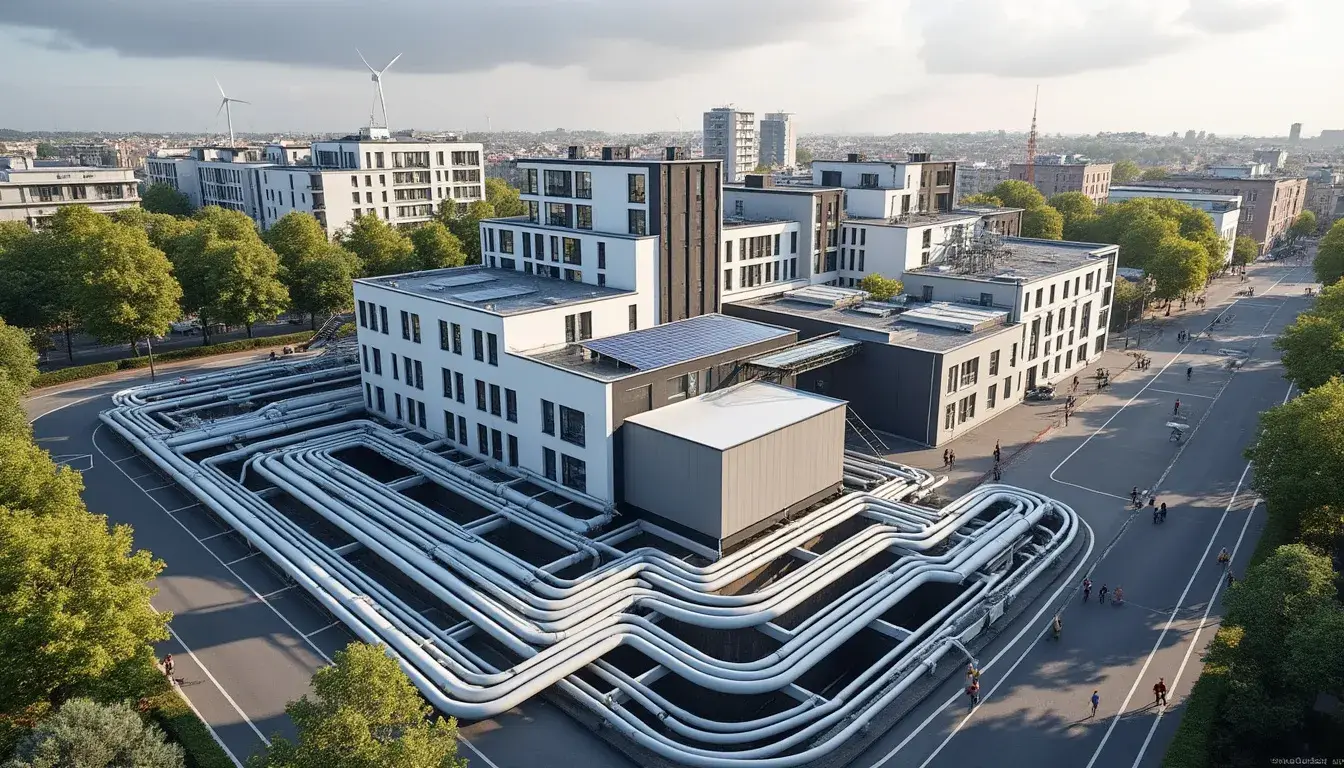
The beneficiary neighborhoods include La Poterie, Le Blosne, Bréquigny, Clémenceau, and Le Colombier. Each of these areas is equipped with heat distribution points, thereby optimizing the management of energy resources and reducing the collective carbon footprint.
Efficient distribution of thermal energy
Use of renewable energy sources for a reduced environmental impact
Reduction of energy costs for residents
Support for the energy transition of the metropolis
Neighborhood | Number of Dwellings | Main Energy Source |
|---|---|---|
La Poterie | 5,000 | Biomass |
Le Blosne | 4,500 | Geothermal |
Bréquigny | 3,800 | Solar thermal |
Clémenceau | 6,200 | Heat recovery |
Le Colombier | 5,500 | Biomass |
To learn more about the details of the network, please refer to the comprehensive guide.
Launch date and phases of commissioning of the heating network
The official launch of the heating network in the south of Rennes took place in early 2023. The project has been broken down into several phases to ensure a gradual and efficient commissioning. Each phase has been carefully planned to minimize service interruptions and maximize energy efficiency.
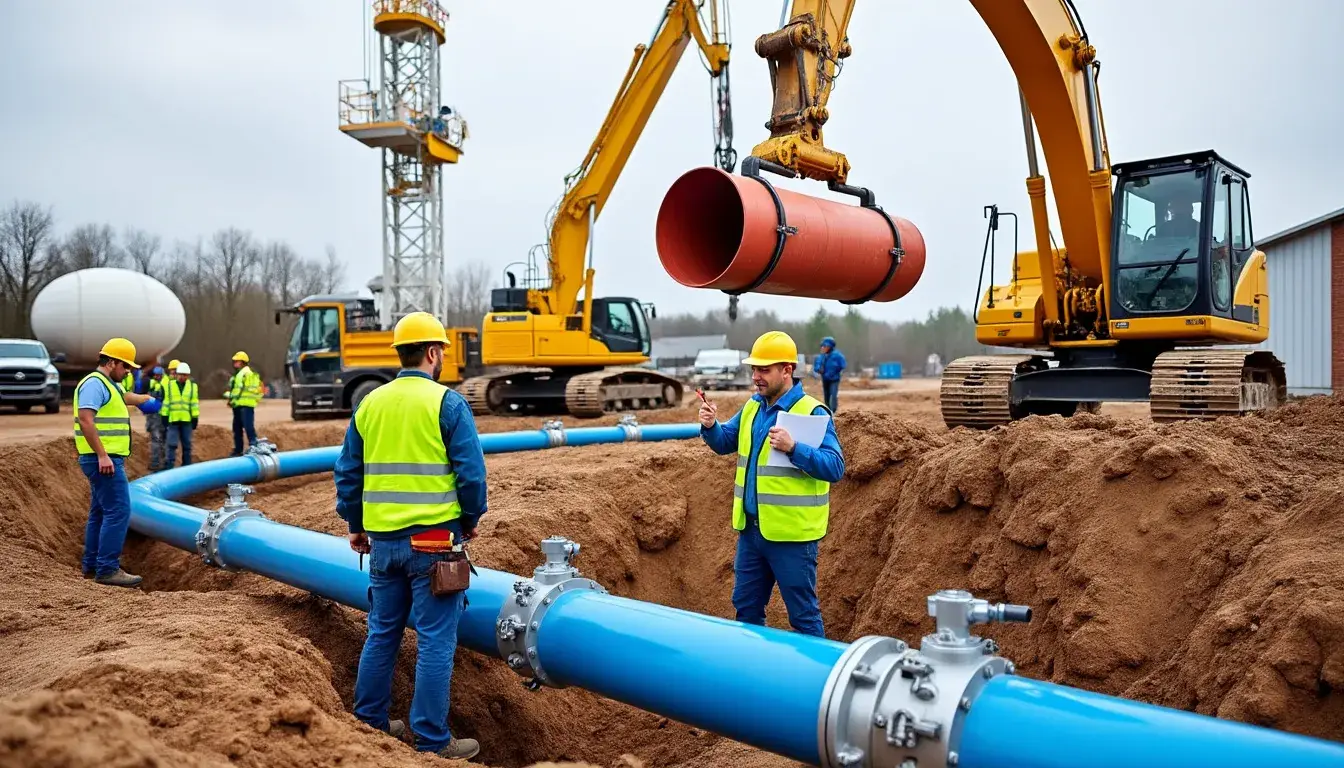
The first phase covered the neighborhoods of La Poterie and Le Blosne, allowing for initial distribution to approximately 9,500 dwellings. The second phase extended the network to Bréquigny and Clémenceau, integrating an additional population of 10,000 households. The final phase, scheduled for the end of 2024, will include Le Colombier, thus reaching a total coverage of 16,000 dwellings.
Phase 1: Initial installation and testing of biomass
Phase 2: Extension to geothermal and solar thermal
Phase 3: Finalization with heat recovery and complete integration
Phase | Year | Included Neighborhoods | Dwellings Covered |
|---|---|---|---|
1 | 2023 | La Poterie, Le Blosne | 9,500 |
2 | 2023-2024 | Bréquigny, Clémenceau | 10,000 |
3 | End of 2024 | Le Colombier | 16,000 |
For more details on the commissioning schedule, please visit the official page of the metropolis.
Budget and financing of the project
The budget allocated to the heating network in the south of Rennes amounts to approximately 150 million euros. This funding comes from a combination of public funds, private investments, and grants dedicated to the energy transition.
The main sources of funding include:
Government grants for renewable energy projects
Local public investments from the Rennes metropolis
Partnerships with private companies specializing in green energy
Tax credits to encourage ecological initiatives
Funding Source | Amount (€) | Percentage |
|---|---|---|
Government grants | 60,000,000 | 40% |
Local public investments | 50,000,000 | 33% |
Private partnerships | 30,000,000 | 20% |
Tax credits | 10,000,000 | 7% |
Budget compliance has been ensured through rigorous management of resources and strategic partnerships. This funding also guarantees the long-term sustainability of the network, allowing for regular maintenance and future expansions.
More information on financing with ENGIE Solutions
Impact on the energy transition and environment
The urban heating network in the south of Rennes plays a crucial role in the energy transition of the metropolis. By replacing traditional heating systems with renewable energy sources, this project significantly contributes to the reduction of CO2 emissions and the promotion of a sustainable environment.

The main environmental contributions of this network include:
Reduction of greenhouse gas emissions
Use of renewable energy sources, such as biomass and geothermal
Decrease in dependence on fossil fuels
Improvement of air quality in served neighborhoods
Energy Source | CO2 Emissions (tons/year) | Share of Total Energy |
|---|---|---|
Biomass | 5,000 | 30% |
Geothermal | 3,000 | 20% |
Solar thermal | 2,000 | 15% |
Heat recovery | 1,500 | 10% |
Other renewable energies | 1,500 | 25% |
Through this network, the metropolis of Rennes aims to achieve a more efficient and environmentally friendly resource management. This model could serve as a reference for other cities looking to strengthen their energy infrastructure sustainably.
Future perspectives and developments of the urban heating network
The heating network in the south of Rennes does not stop at its current configuration. Ambitious plans are underway to extend this infrastructure and integrate new technologies aimed at further optimizing distribution and energy efficiency.
Future developments include:
Network extension to cover new neighborhoods and accommodate over 16,000 additional households
Integration of advanced technologies such as enhanced geothermal and improved solar thermal
Infrastructure optimization for better distribution and reduction of energy losses
Greater resident participation in energy management through smart systems
Development | Implementation Year | Main Objective |
|---|---|---|
Network extension | 2025 | 16,000 additional dwellings |
Advanced geothermal integration | 2026 | Increase in energy efficiency |
Infrastructure optimization | 2027 | Reduction of energy losses |
Smart systems | 2028 | Resident participation |
These initiatives will not only increase the capacity of the network but also strengthen its sustainability and adaptability to future energy challenges. Continued collaboration with local stakeholders and renewable energy experts is essential for the success of these developments.
Discover the urban heating networks in the metropolis
FAQ regarding the heating network in the south of Rennes
When was the heating network in the south of Rennes launched?
The network was officially launched in early 2023, with a progressive commissioning by phases.
What is the total budget for the project?
The budget allocated for the project amounts to approximately 150 million euros, funded by government grants, local public investments, private partnerships, and tax credits.
What renewable energy sources are used?
The network primarily uses biomass, geothermal, solar thermal, and heat recovery to provide sustainable energy.
What is the environmental impact of this network?
The network contributes to a significant reduction in CO2 emissions, improves air quality, and decreases dependence on fossil fuels.
What are the future plans for the heating network?
The plans include extending the network to cover new neighborhoods, integrating advanced technologies, and optimizing existing infrastructures for better energy efficiency.