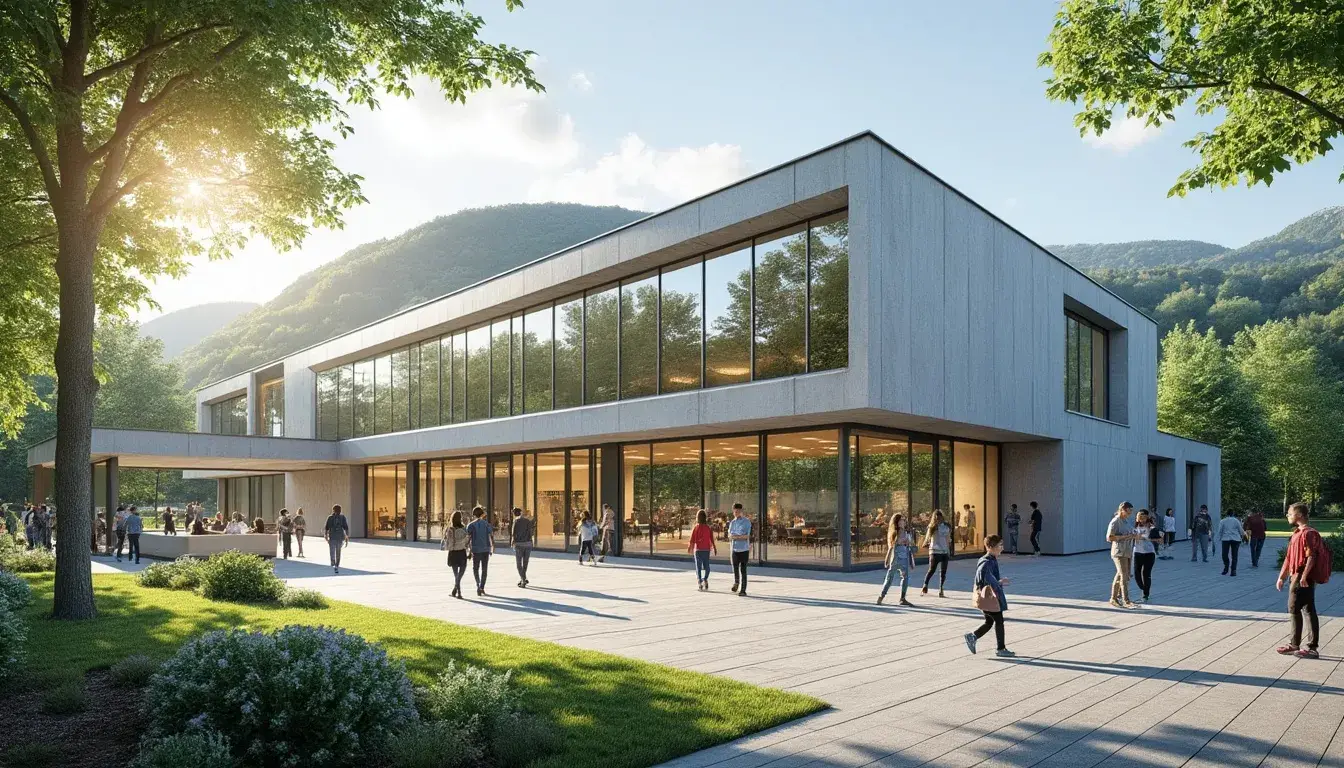
The René-Cassin College in Saint-André-les-Alpes adopts a geothermal heating system
7 min read
The René-Cassin College in Saint-André-les-Alpes is embarking on an innovative initiative by adopting a geothermal heating system. This approach aligns with a desire to reduce carbon footprint and optimize energy costs. With the installation of geothermal probes, the establishment becomes a model of environmental sustainability, while providing a modern and responsible learning environment for its students.
Presentation of the geothermal heating project at René-Cassin College
The René-Cassin College in Saint-André-les-Alpes has taken a major step in its energy transition by opting for a geothermal heating system. This initiative, supported by the Alpes de Haute-Provence Department, aims to radically transform the college's heating system using environmentally friendly technologies. By 2025, the college will be equipped with fourteen geothermal probes, each reaching a depth of 150 meters, allowing for efficient and sustainable thermal production.
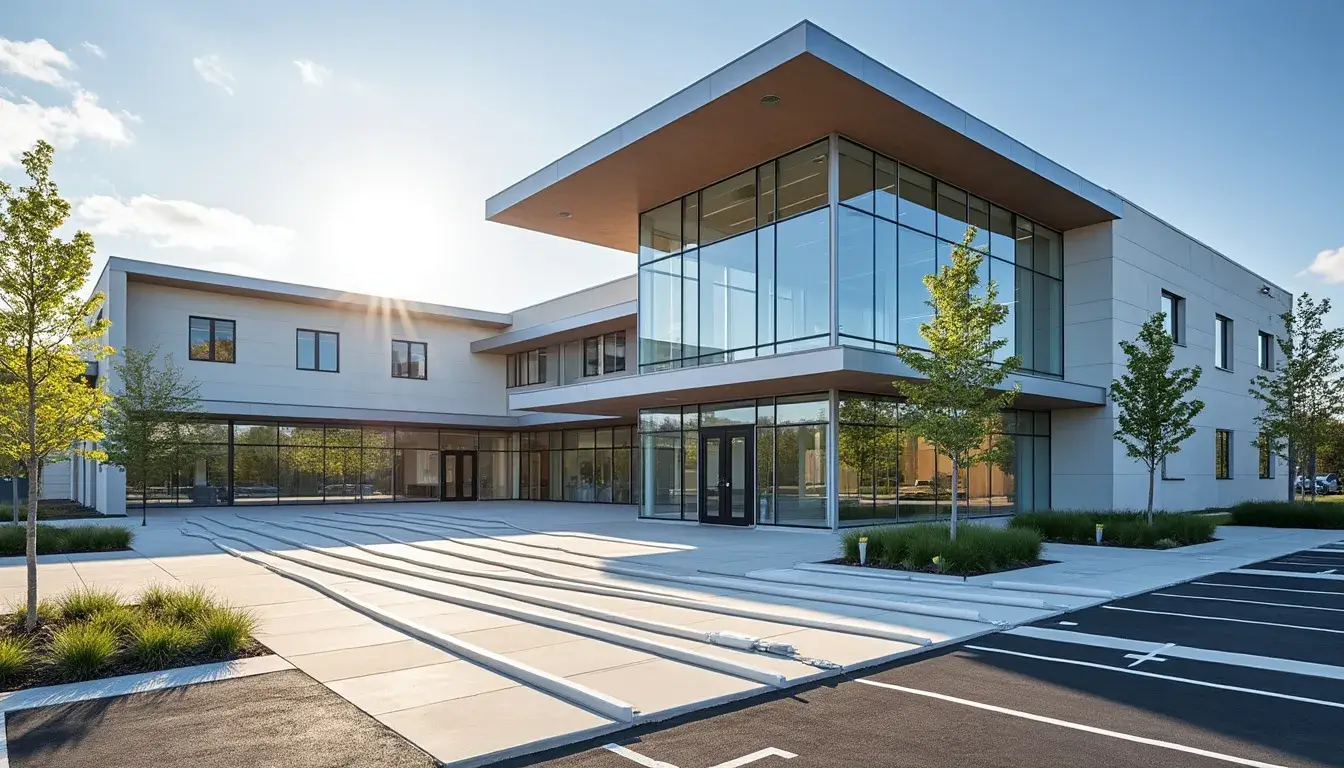
The adoption of this system fits into a context where renewable energies are taking a predominant role in the fight against climate change. According to Xavier Delcroix, communications officer of the departmental council, this installation will achieve a thermal power of 36 kW, increased to 93 kW thanks to a next-generation heat pump. Expected performance includes a reduction of 88% in current energy consumption and a 70% decrease in greenhouse gas emissions.
The choice of geothermal is not accidental. It meets a dual requirement: ecology and economy. By investing in this type of heating, René-Cassin College actively contributes to environmental preservation while achieving significant long-term savings. This approach exemplifies how schools can play a key role in promoting sustainable buildings and environmental innovations.
Moreover, the implementation of this geothermal heating system is accompanied by significant renovation works, including the optimization and securing of the parking lot. These improvements aim to strengthen the infrastructure of the establishment, thus ensuring a safe and welcoming environment for students and staff.
Fourteen geothermal probes installed
Reduction of 88% in energy consumption
Decrease of 70% in greenhouse gas emissions
Renovation and securing of the parking lot
Thermal power increased to 93 kW thanks to the heat pump
Element | Quantity | Depth |
|---|---|---|
Geothermal probes | 14 | 150 meters |
Initial thermal power | 36 kW | - |
Thermal power with heat pump | 93 kW | - |
To learn more about the advantages of geothermal heating, check out this detailed article.
Understanding geothermal energy and its benefits
Geothermal energy is a method of heating using heat naturally present below the earth's surface. This technology offers a sustainable and efficient alternative to traditional heating systems by harnessing the thermal energy stored in the ground. At René-Cassin College, this innovation not only allows for reduced energy costs but also minimizes the environmental impact of the establishment.
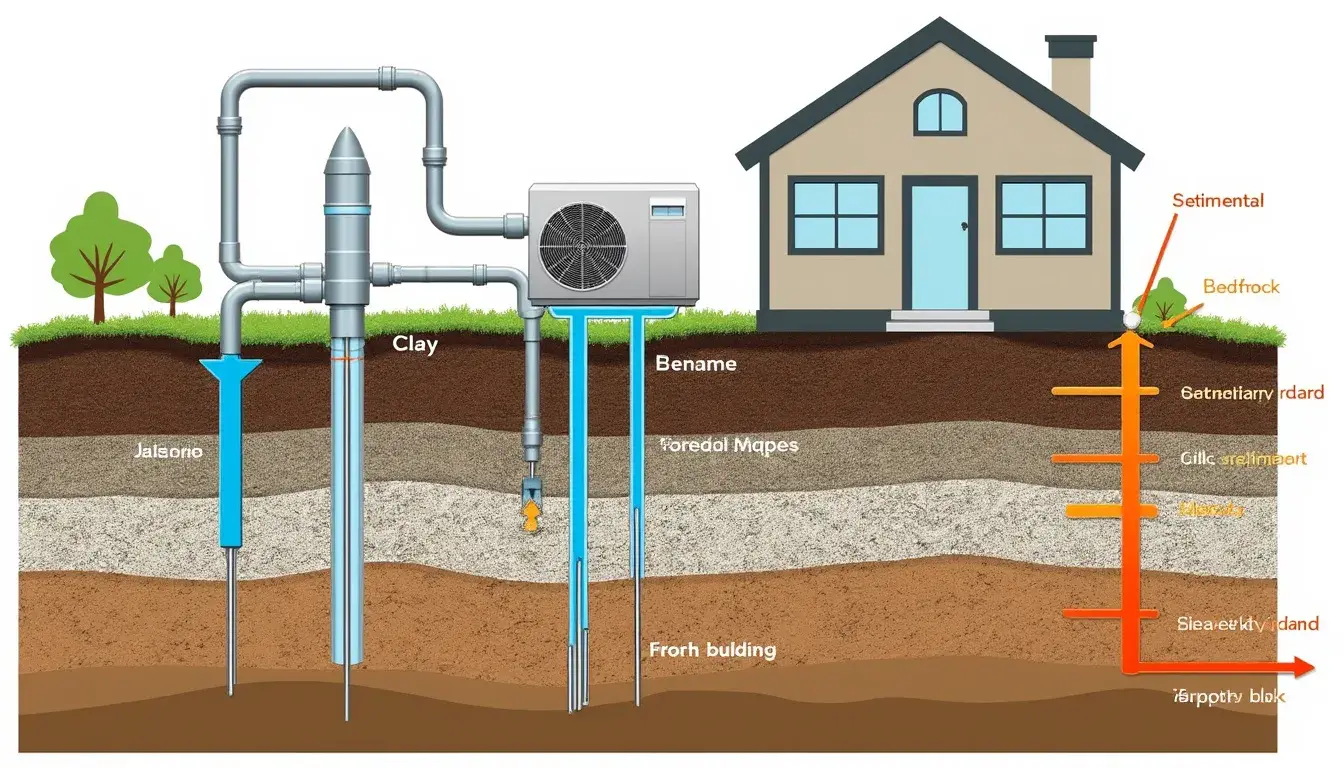
The operation of a geothermal system relies on the installation of probes buried in the ground, which capture natural heat and transfer it to a heat pump. This pump increases the temperature of the absorbed heat, making it usable for heating buildings. This process is particularly effective in regions like Saint-André-les-Alpes, where geological conditions favor good geothermal performance.
The benefits of geothermal energy are numerous. First of all, it ensures a consistency of temperature, providing optimal thermal comfort throughout the year. Furthermore, the geothermal system requires little maintenance, reducing maintenance costs for the college. Compared to fossil fuels, geothermal energy is a renewable energy source that significantly contributes to the fight against climate change.
Renewable energy source
Reduction in energy costs
Temperature consistency
Low maintenance required
Minimal environmental impact
Type of heating | Energy efficiency | Environmental impact |
|---|---|---|
Geothermal | High | Low greenhouse gas emission |
Oil | Medium | High CO₂ emissions |
Electric | Low | Varies depending on electricity source |
Renewable energies are gaining popularity due to their ability to provide clean and sustainable energy. Geothermal energy, in particular, stands out for its high energy yield and low carbon footprint. For more information on the benefits of the geothermal heat pump, visit this page.
Environmental and economic impact of the installation
The installation of a geothermal heating system at René-Cassin College represents a significant advancement in terms of sustainability and environmental responsibility. By reducing energy consumption by 88%, the establishment considerably decreases its carbon footprint, thus contributing to the fight against climate change. This initiative is also accompanied by a 70% reduction in greenhouse gas emissions, a crucial objective in addressing current environmental challenges.
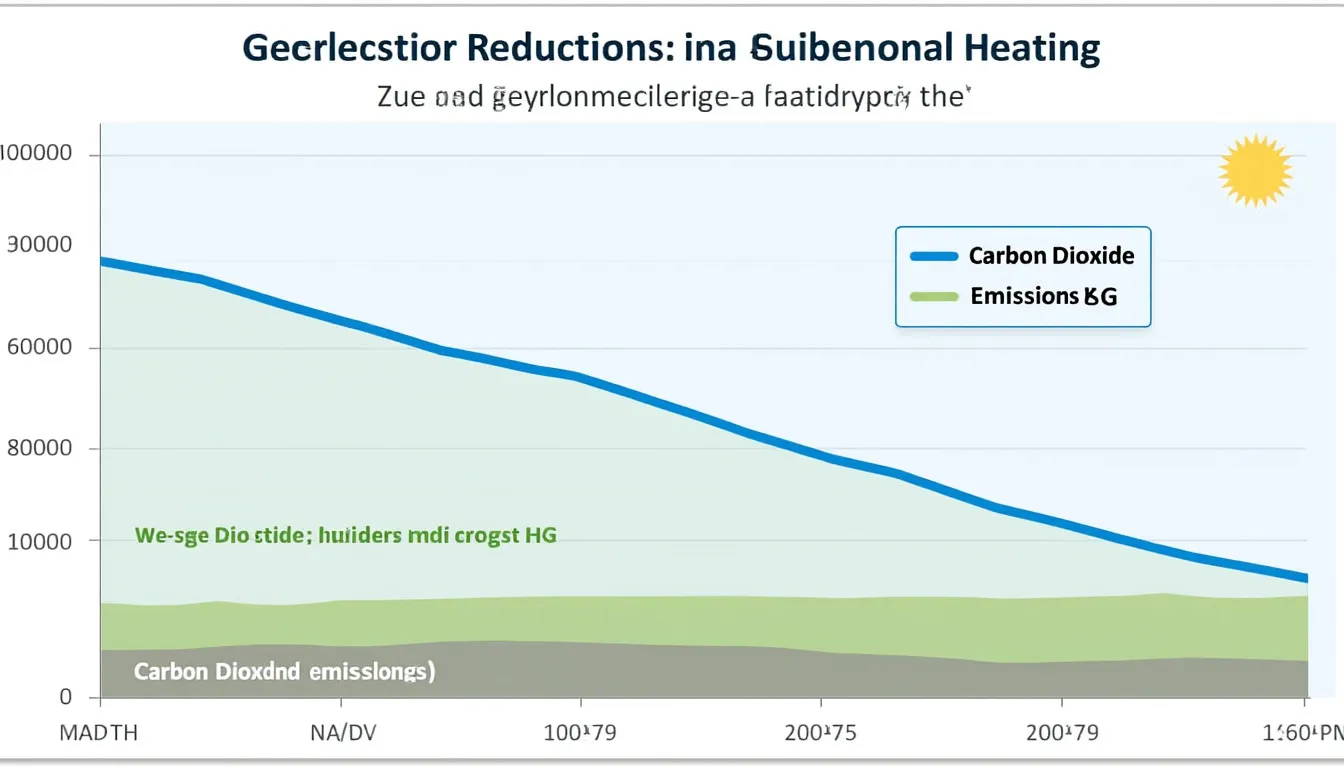
From an economic standpoint, geothermal energy represents a profitable long-term investment. Although the initial installation cost may be higher than that of traditional systems, savings achieved on energy bills more than compensate for this investment over time. René-Cassin College also benefits from grants and financial aid, which facilitate the implementation of this ambitious project. To know the available aid, consult the dedicated resources.
Moreover, the choice of high-quality materials and the guarantee of the work carried out ensure the sustainability of the system, thereby reducing maintenance needs and associated costs. This approach also promotes the recycling of used materials and encourages the use of renewable resources, aligning the college with best practices in sustainable buildings.
Reduction of 88% in energy consumption
Decrease of 70% in greenhouse gas emissions
Savings on energy bills
Access to grants and financial aid
Use of high-quality materials
Aspect | Before geothermal | After geothermal |
|---|---|---|
Energy consumption | 100% | 12% after reduction |
CO₂ emissions | 100% | 30% after reduction |
Annual energy cost | High | Reduced |
To learn more about environmentally friendly heating solutions, visit this page.
Progress of the works and technical innovations
Last summer, René-Cassin College began a series of major works for the installation of the geothermal system. These works included the installation of geothermal probes, the renovation of the parking lot, and its security, ensuring a harmonious integration of the new infrastructures with existing installations. Each step was carefully planned and executed to minimize disruptions and ensure maximum efficiency.
The process of installing geothermal probes required in-depth technical expertise. In collaboration with geothermal specialists, engineers carried out the drilling of the probes to a depth of 150 meters each. These probes capture the natural heat from the soil, which is then transferred to a next-generation heat pump. This pump can increase thermal power from 36 kW to 93 kW, ensuring efficient heating of the whole school building.
The use of cutting-edge technologies has optimized the performance of the geothermal system. Integrated technical innovations include intelligent sensors to automatically regulate temperature, as well as remote monitoring systems to ensure proactive maintenance. These tools not only improve energy efficiency but also extend the lifespan of installed equipment.
Installation of 14 geothermal probes
Depth of probes: 150 meters
Increase in thermal power thanks to the heat pump
Renovation and securing of the parking lot
Integration of intelligent monitoring technologies
Step | Description | Duration |
|---|---|---|
Feasibility study | Soil analysis and energy needs assessment | 2 months |
Installation of probes | Drilling and placement of geothermal probes | 3 months |
Renovation of the parking lot | Rearrangement and securing of parking spaces | 2 months |
The works carried out at René-Cassin College demonstrate technical excellence and commitment to environmental innovation. To discover other similar projects, check out this page.
Community reactions and future perspectives
The adoption of the geothermal system by René-Cassin College has generated great enthusiasm within the local community. Parents, teachers, and students applaud this initiative that not only improves comfort within the establishment but also contributes to environmental preservation. This approach reinforces the sense of belonging and collective responsibility for a more sustainable future.
Feedback from the college's users is very positive. Students now benefit from a healthier and more pleasant environment conducive to learning. Teachers, for their part, appreciate the stability of the heating system, which allows them to fully focus on their educational mission. Parents view this initiative as an investment in the future of their children and the planet.
Moreover, René-Cassin College positions itself as a leader in sustainable development in the region. This geothermal installation paves the way for other schools wishing to follow suit and adopt innovative energy solutions. The success of this project could also inspire similar initiatives in other sectors, thus strengthening the community fabric of Saint-André-les-Alpes.
Improved learning environment
Stability and reliability of the heating system
Collective responsibility towards the environment
Leadership in sustainable development
Inspiration for other ecological initiatives
Group | Reaction | Comments |
|---|---|---|
Parents | Very positive | Value the ecological initiative |
Teachers | Appreciate the stability | Focus on teaching |
Students | Healthy environment | Better concentration |
To keep up with the news of this project and discover testimonials from community members, visit this article.
FAQ
What are the installation costs of a geothermal system?
The initial cost may be high, but it is offset by the savings achieved on energy bills in the long term. Financial aids and grants are available to lighten this investment.How long does it take to install a geothermal system?
Full installation can take several months, including feasibility study, drilling of probes and integration of heating systems.What are the ecological advantages of geothermal energy?
Geothermal energy significantly reduces greenhouse gas emissions, consumes less energy, and uses a renewable energy source, thus contributing to the fight against climate change.Is the geothermal system suitable for all types of buildings?
Geothermal energy is suitable for many types of buildings, but a prior study is necessary to determine its feasibility based on geological conditions and specific energy needs.What maintenance does a geothermal system require?
Geothermal systems require little maintenance. It is recommended to have the system checked regularly to ensure its proper functioning and optimize its performance.