Wood stove flue cleaning: what is the recommended frequency in 2025?
5 min read
The sweeping of wood stoves has become a crucial topic to ensure the safety and efficiency of our heating systems. With the arrival of new regulations in 2023, it is essential to know the maintenance requirements to avoid unpleasant surprises. By 2025, stove owners must be informed of the best practices to ensure that their appliance operates optimally. This article delves deeply into the aspects related to sweeping, the regulations in force, and practical advice for maintaining a wood stove that is both efficient and safe.
Understanding the sweeping of a wood stove
The sweeping of a wood stove involves a series of operations aimed at cleaning and checking the various elements of the heating system. This not only allows for the removal of combustion residues but also ensures the proper functioning of the appliance. Here are the key steps of sweeping:
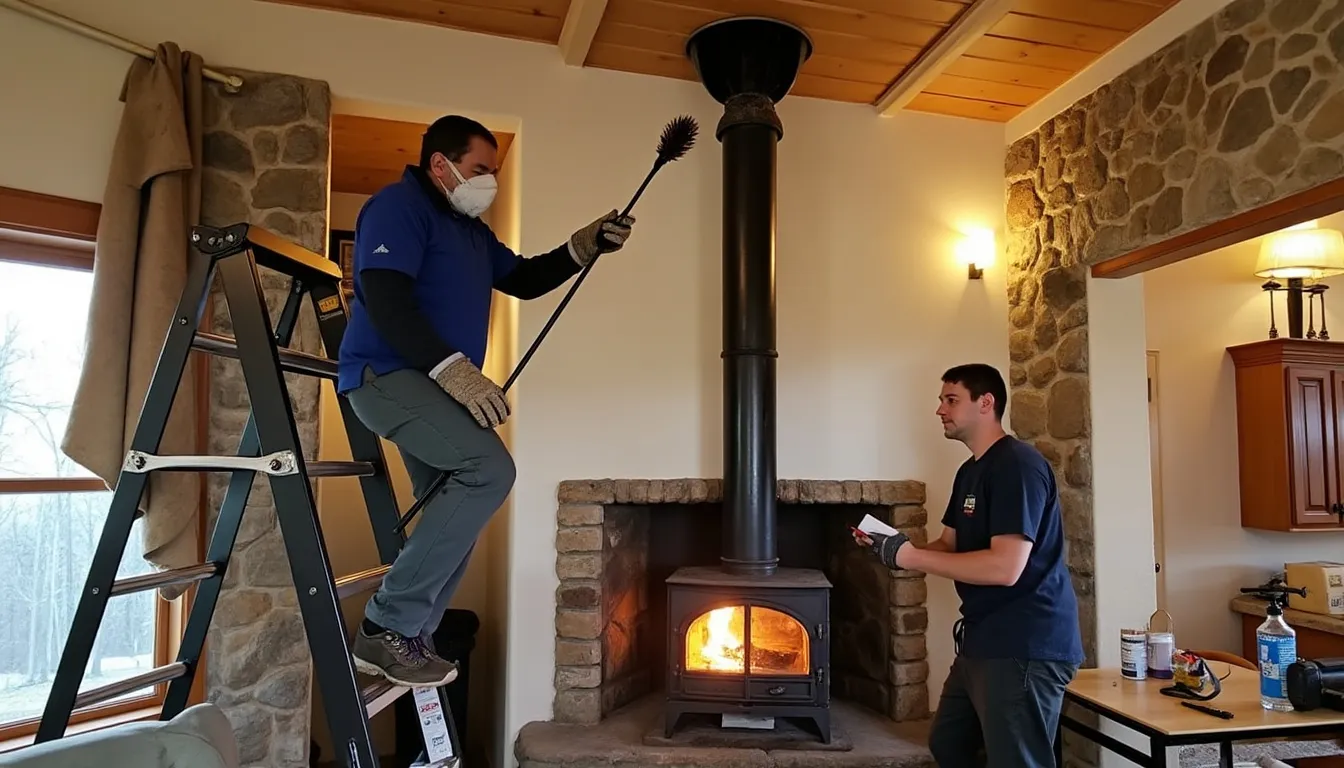
Sweeping the flue: This first step involves removing soot deposits and unwanted elements from the flue, using a brush mounted on a special rod.
Dismantling and cleaning the deflector: This operation allows the removal of ash and residues to ensure effective draft.
Cleaning the smoke circulation channels: After dismantling the traps, a brush is used to ensure optimal cleanliness.
Checking the operation: Finally, it is essential to test the stove while it is operating to ensure that the smoke is correctly evacuated through the chimney.
Once the operation is complete, the professional issues a sweeping certificate, certifying that the appliance is in good condition and compliant with safety standards.
Mandatory sweeping since 2023
Since July 2023, legislation has been enacted making the sweeping of wood stoves mandatory at least once a year. This decree stipulates that only certified professionals may perform this operation, thereby creating a strict safety framework. Owners are required to keep the sweeping certificate to prove the compliance of their installation to their insurer, especially in case of damage.
Failing to comply with this obligation can result in penalties, with fines reaching 450 euros and a risk of refusal for coverage by insurance in case of fire. These legislative measures aim to enhance the safety of homes and prolong the lifespan of heating systems.
Recommended frequency for sweeping wood stoves
The current legislation stipulates a minimum sweeping frequency of once a year. However, it is wise to consider two sweeps annually to ensure optimal maintenance. Here are the practical recommendations:
First sweeping: Before winter, ideally at the beginning of the cold season, to prepare the system for intensive use.
Second sweeping: After the heating season, to remove the residues accumulated during summer use.
Knowing that the heating period runs from November to March, these maintenance windows are crucial to avoid unexpected emergencies. All these sweeps must be performed by a Sweeping Expert approved, who will ensure the quality of the intervention.
Period of sweeping | Recommended frequency | Type of professionalism required |
|---|---|---|
Before winter | 1 time per year (minimum) | Sweeping Pro |
After the heating season | 1 time per year (recommended) | Expertise in Sweeping |
Preparing the stove for the heating season
In addition to regular sweeps, it is essential to ensure the proper preparation of the stove before the winter period. Here are some practical actions:
Check the tightness of the seals to ensure a good draft.
Inspect the chimney for potential bird nests or debris that could obstruct the flue.
Clean the air grilles to facilitate air circulation.
Ensure that the fuel (logs or pellets) is of good quality and well dry.
Removing bird nests and other obstructions
The sweeping is not limited to standard cleaning. A common phenomenon is that of bird nests in chimneys, which can greatly jeopardize the safety of households. Here’s how to identify and manage this situation:
Identifying the presence of nests in the flue
Recognizing the signs of a bird nest can make the difference between a peaceful winter and an emergency situation:
Unusual noises coming from the flue (scratching or flapping).
An unpleasant smell, indicating that an animal may be trapped.
Feathers or nest debris near the fireplace.
The procedure to follow if a nest is discovered
If a nest is discovered, it is crucial not to light the fire before taking action. Here are the steps to follow:
Do not use the stove.
Contact a professional to safely remove the nest.
Consider installing a chimney cap or a bird-proof grate to prevent future intrusions.
Problem | Solution | Recommended action |
|---|---|---|
Bird nest | Removal of the nest | Call a professional sweeper |
Obstruction in the flue | Deep cleaning | Schedule an immediate sweeping |
The importance of hiring a qualified sweeper
Having your sweeping done by a professional such as France Ramonage ensures quality work. Here are some points that illustrate why this is essential:
Technical expertise: Certified sweepers possess the necessary skills to handle specialized tools and assess the overall condition of the system.
Legal compliance: Only certified sweepers can issue a sweeping certificate, required by law.
Safety: Professionals know how to detect potential risks and can help prevent serious incidents such as fires.
Sweeping, comfort, and energy savings
A well-maintained wood stove not only provides natural and comfortable heat, but it also contributes to savings on energy bills. By ensuring good smoke evacuation, you optimize the efficiency of your appliance, reducing fuel costs. This is particularly relevant in a context where wood is becoming a sustainable and low ecological impact heating choice.
A regular and professional intervention also ensures that you get the best performance from your wood heating.
FAQ about wood stove sweeping
Why is it mandatory to sweep your wood stove?
Legislation mandates sweeping to ensure safety and prevent fire risks. Regular maintenance is crucial to guarantee proper smoke evacuation.
How often should I sweep my wood stove?
It is recommended to have your wood stove swept at least once a year, preferably twice for optimal performance.
How can I tell if my wood stove needs sweeping?
If you notice smoke odors, reduced draft, or if you hear unusual noises in the flue, it is time to plan a sweeping.
Can I sweep my wood stove myself?
While you can perform light maintenance, it is highly recommended to consult a professional sweeper to ensure that all safety standards are met.
What happens if I do not sweep my wood stove?
If sweeping is not performed, you risk legal fines, as well as dangers such as obstructions that could lead to carbon monoxide poisoning or fires.