Fire prevention: comply with safety rules for your wood heating
4 min read
Home security is a crucial concern, especially regarding heating. At a time when renewable energies such as wood heating are gaining popularity due to their positive environmental impact, it is essential not to overlook the security rules that arise from it. This concerns not only your comfort but also protection against fire risks. In this article, we will explore how to ensure safe use of your wood heating, as well as the best fire prevention practices to implement for the winter season.
Wood heating: an efficient and ecological solution
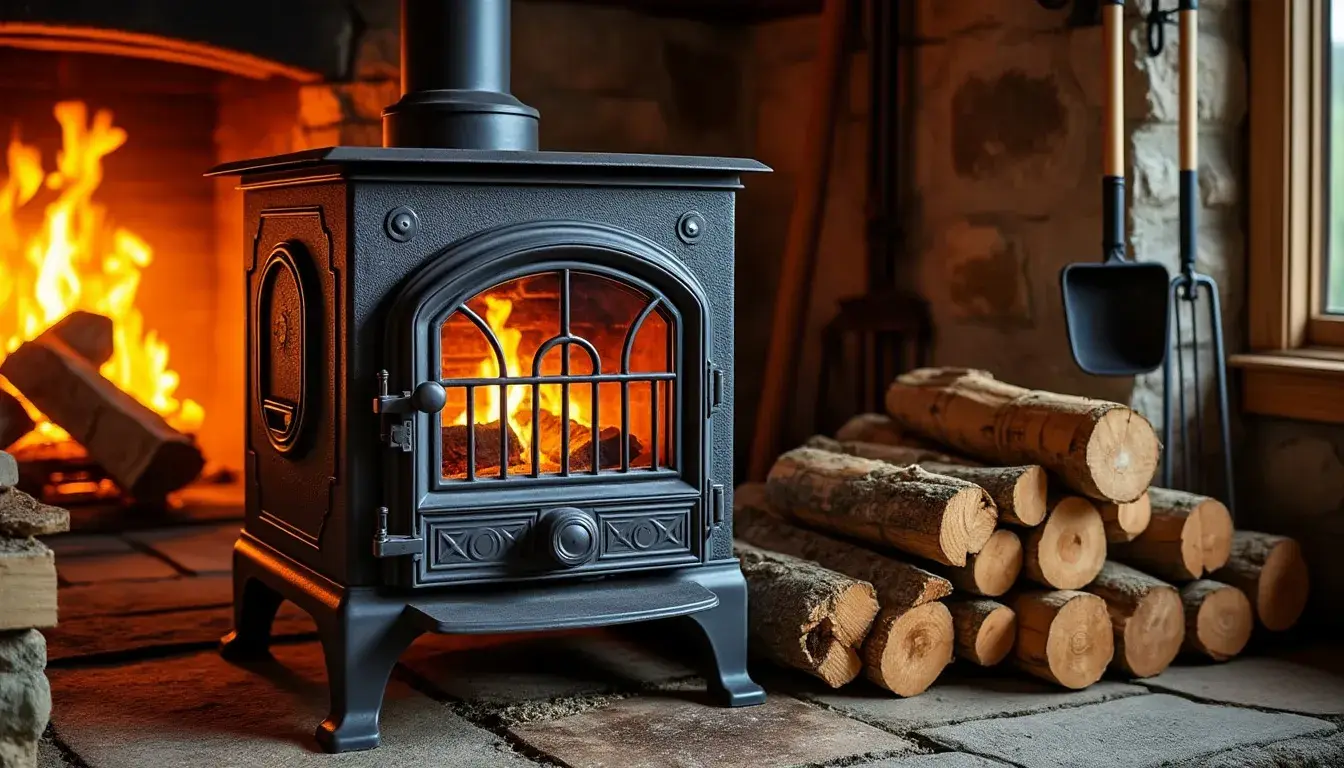
Wood heating is valued for its ability to generate comfortable warmth while being a more ecological option compared to fossil fuels. In 2025, more and more households are opting for high-efficiency wood heating systems that help reduce CO2 emissions. This type of heating comes in several forms, such as wood stoves, fireplaces, and pellet boilers.
The advantages of wood heating
Ecological: By using a renewable resource, wood heating helps reduce carbon footprint.
Economical: The competitive prices of wood compared to other energy sources make it an economical choice.
Energy independence: Reduce your reliance on non-renewable energies and enhance your energy security.
Thermal comfort: Providing pleasant and soothing warmth, wood heating creates a cozy atmosphere.
The challenges related to safety
Despite its many advantages, wood heating also presents fire risks if not used correctly. Chimney fires are particularly a concerning reality, especially in departments where the use of traditional fireplaces is common. The fire prevention campaign by the firefighters of Pyrénées-Orientales has highlighted the increase in interventions related to these incidents. This underscores the importance of fire control of wood heating installations.
Fire prevention: essential rules for your wood heating
Before using a wood heating system, it is crucial to respect the security rules. Here are some key recommendations to reduce the risk of fire in your home.
1. Check the compliance of your installation
Wood heating installations must meet specific standards. Here are some points to verify:
Engage professionals for any installation and ensure it meets current standards.
Regularly check the condition of your stove or fireplace (cleaning of the flue pipes).
Ensure all heating devices are equipped with adequate protections.
2. Regular maintenance of appliances
Proper maintenance of your heating system is essential to ensure safe operation:
Flue cleaning every year by a qualified professional to avoid blockages.
Control of boilers to prevent any carbon monoxide leaks.
Plan for a smoke detector and carbon monoxide detector on every level of your home.
3. Monitor operating appliances
When your appliances are running, monitoring is essential:
Never leave a wood heating appliance unattended while it is lit.
Check that the wood used is dry and free of chemicals.
Avoid placing combustibles near your heating appliance.
4. Create a secure environment
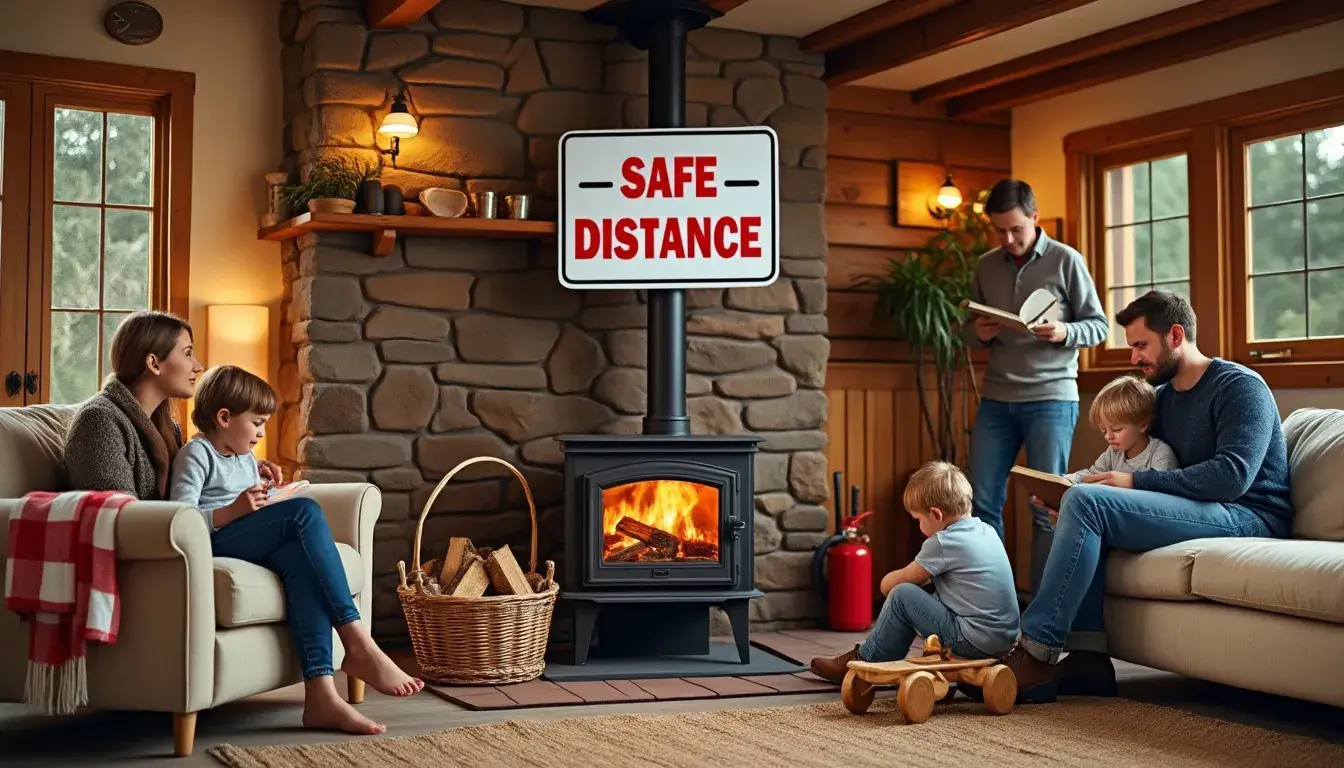
Establishing a safety zone around your heating appliance is crucial:
Install a fire screen in front of the hearth to protect against sparks.
Keep combustible materials away from the heating system.
Ensure that the electrical cable and outlets are up to code.
Safety devices: Guarantees of peace of mind
By 2025, technology has also advanced to provide safety tools that facilitate fire prevention. The use of smoke detectors and carbon monoxide detectors is more accessible than ever. These devices can often connect to your smartphone, instantly alerting you in case of smoke or toxic gas detection.
Detectors: an essential ally
Smoke and carbon monoxide detectors are essential for your safety. Here are some tips for their use:
Install a detector on each floor of your home.
Regularly test the devices to ensure they are functioning.
Replace the batteries at least once a year.
AWARENESS PROGRAMS AND RESOURCES AVAILABLE
In the face of fire dangers associated with wood heating, various awareness programs exist. In partnership with local authorities and emergency services, these initiatives aim to inform the public about fire prevention and home safety.
Importance of fire safety education
Educating the public about home safety practices is equally crucial. Here are some examples of awareness initiatives:
Free fire safety courses organized by local firefighters.
Safety bulletins distributed in schools and community centers.
Communication campaigns via social media to raise awareness of the importance of adhering to safety standards.
FAQ on wood heating and fire prevention
1. What are the main causes of fires related to wood heating?
The main causes include insufficient maintenance, the use of faulty heating equipment, and inappropriate storage of combustibles.
2. How often should I have my wood stove cleaned?
It is recommended to clean your stove at least once a year, ideally before the start of the heating season.
3. What should I do in case of a fire alert?
Evacuate the building immediately and call for help. Do not attempt to extinguish the fire yourself if it seems dangerous.
4. Can I use chemicals to start the fire?
It is strongly advised not to use inappropriate chemicals that can produce toxic fumes and increase the risk of fire.
5. What type of wood is best for wood heating?
It is best to use hardwood that is well-seasoned, such as oak or beech, which burns more efficiently and produces less creosote.
By following these Fire Prevention tips, implementing proper Fire Safety practices, and using compliant equipment, you can enjoy your secure wood heating while ensuring the safety of your home. Committed to fighting fire risks, let’s adopt responsible actions together for a peaceful winter.