
VMC double flow: how to optimize heat recovery for energy savings in 2025?
5 min read
In the current context of energy efficiency and environmental preservation, choosing a ventilation system has become crucial for households concerned with reducing energy consumption. Among the available solutions, the double flow ventilation (VMC double flux) stands out for its efficiency in heat recovery. In 2025, as the requirements for indoor comfort and sustainability strengthen, it is essential to understand how to optimize the use of a double flow ventilation system to make the best out of it, both economically and ecologically.
What is a double flow ventilation system and how does it work?
The double flow ventilation system is an innovative ventilation solution designed to efficiently renew indoor air while minimizing heat loss. Unlike a single flow ventilation system that exhausts stale air and brings in fresh air without heat recovery, the double flow system uses a heat exchanger to capture the heat from the outgoing air to preheat the incoming fresh air. This mechanism not only improves air quality but also significantly reduces energy consumption for heating.
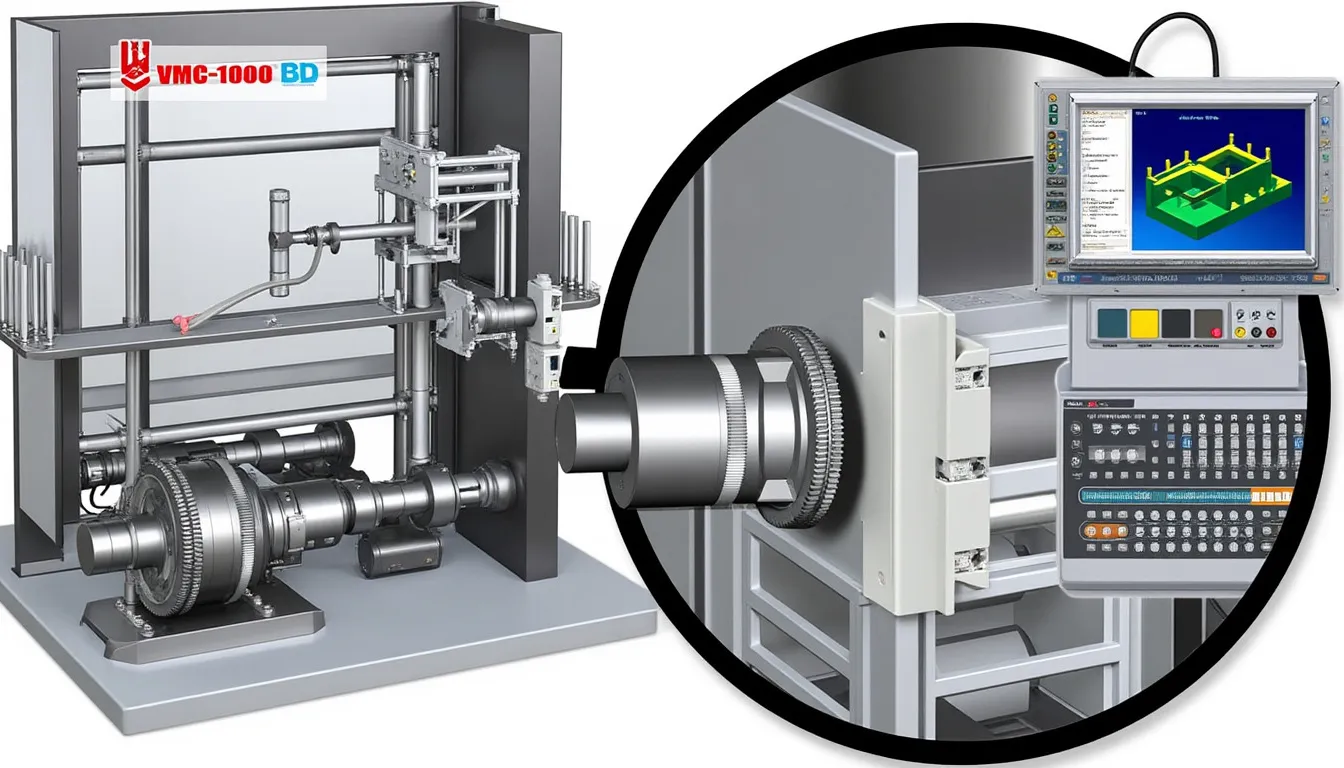
The key components of a double flow ventilation system
To fully understand the efficiency of a double flow ventilation system, it is important to become familiar with its main components:
Motor and fans: They ensure the system operates by allowing the extraction of stale air and the supply of fresh air.
Duct networks: Two distinct networks evacuate used air and bring in fresh air.
Heat exchanger: This is the heart of the system, capable of recovering up to 90% of the heat from the extracted air.
Filters: They purify the incoming air to prevent pollutants and allergens from entering the living space.
Optimizing heat recovery with the double flow ventilation system
To maximize the efficiency of a double flow ventilation system, several key elements can be considered. Optimization involves thoughtful installation, proper maintenance, and appropriate use of available settings.
Properly installing your double flow ventilation system
Proper installation is crucial to ensure that the system functions efficiently. Here are some recommendations:
Preliminary study: Get a study done to evaluate your housing, taking into account the configuration of the rooms, insulation, and structural constraints.
Strategic location: Choose an accessible location for the ventilation unit to facilitate maintenance, while preserving its efficiency.
Well-designed duct network: Ensure that the ducts are properly insulated and positioned to avoid heat loss.
Regular maintenance to ensure performance
Regular maintenance not only improves the efficiency of your system but also extends its lifespan:
Filter replacement: Change the filters at least two to four times a year to maintain optimal air quality.
Duct inspection: Check the ducts every three to five years to prevent blockages that may reduce air circulation.
Cleaning the heat exchanger: Perform an annual cleaning to eliminate dust and dirt buildup, which could harm its performance.
Energy savings with the double flow ventilation system
The benefits in terms of energy savings are one of the main reasons households choose this type of ventilation system. In 2025, reducing your energy expenses while maintaining optimal indoor comfort is more crucial than ever.
Impact on energy bills
A double flow ventilation system can reduce heating needs by an average of 25%. In a typical 120 m² household, this can represent significant annual savings:
Type of housing | Installation cost (€) | Potential annual savings (€) |
|---|---|---|
Apartment (70 m²) | 3,500 | 120 |
House (120 m²) | 6,500 | 230 |
Large house (200 m²) | 10,000 | 380 |
An environmentally friendly ventilation system
By optimizing heat recovery, the double flow ventilation system helps reduce CO₂ emissions. As an alternative to less efficient heating systems, its installation in cozy new buildings or renovations contributes to combating climate change. In 2025, by choosing this system, you not only improve your indoor comfort but also contribute to a more sustainable future.
Choosing the right double flow ventilation system for your home
Choosing the right model of double flow ventilation is crucial to ensure performance tailored to your specific needs. Different types of systems exist that vary in features and costs. Here are the criteria to consider:
Heat recovery capacity: Opt for a high-performance model capable of recovering up to 90% of the heat.
Additional features: Some models offer pre-cooling functions or smart connections.
Budget: Evaluate not only the purchase price but also the installation and maintenance costs.
Cost details of a double flow ventilation system
To help you navigate among the different options, here is an overview of the average costs according to the type of model:
Model | Average price (€) | Features |
|---|---|---|
Standard | 2,500 – 4,000 | Basic heat recovery. |
High performance | 4,000 – 6,000 | Recovery up to 90%, high-quality filters. |
Advanced features | 6,000 – 10,000 | Pre-cooling, connectivity. |
The advantages and disadvantages of the double flow ventilation system
Like any system, the double flow ventilation also has positive and negative aspects. A factual analysis can help you make an informed decision.
The advantages
Reduction of energy bills: Thanks to heat recovery, a double flow ventilation can lead to significant savings.
Improved indoor comfort: Providing fresh air throughout the year keeps a pleasant temperature.
Improved air quality: The filters prevent pollutants from intruding, making the environment healthier.
The disadvantages
High installation cost: The initial investment can be substantial, ranging between €3,000 and €7,000.
Regular maintenance: Filters need to be changed, and maintenance costs can accumulate.
Technical requirements: Installation requires rigorous planning of ducts.
FAQ - Frequently asked questions about the double flow ventilation system
1. What is the cost of installing a double flow ventilation system?
The installation cost of a double flow ventilation system generally ranges between €3,000 and €7,000 depending on the type of model and the complexity of the installation.
2. What energy savings can be expected with a double flow ventilation system?
Users of a double flow ventilation system can expect energy savings of about 25% on their heating bill.
3. What types of filters are used in a double flow ventilation system?
A double flow ventilation system typically uses HEPA filters or activated carbon filters to ensure optimal air quality.
4. Does a double flow ventilation system require a lot of maintenance?
A double flow ventilation system requires regular maintenance, including filter replacement every 2 to 4 months for effective operation.
5. Is the double flow ventilation system suitable for all types of housing?
Yes, the double flow ventilation system can be installed in most types of housing, but requires a preliminary study to ensure its feasibility.