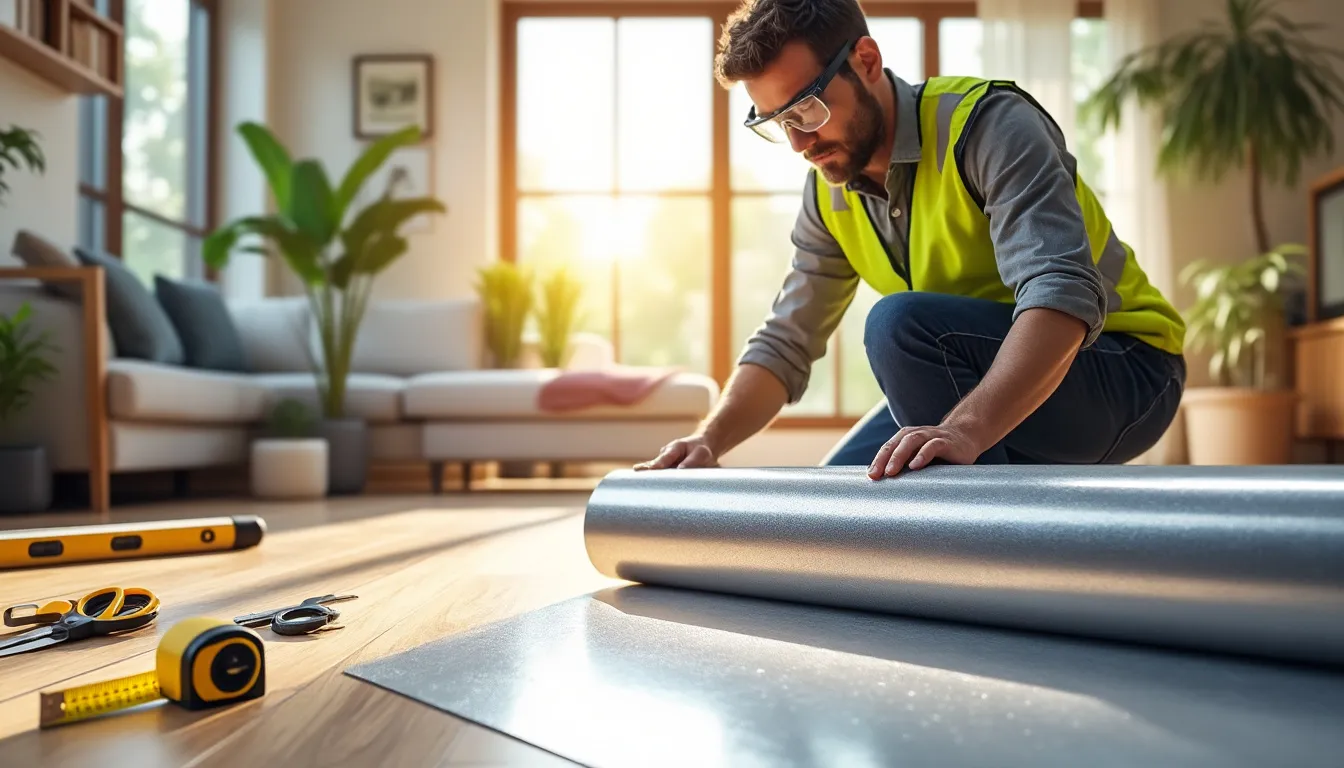
Installing a heating film under laminate flooring: practical guide and expert advice
4 min read
In a world where thermal comfort plays a major role in interior design, the installation of underfloor heating becomes a top choice. Let me guide you through the essential steps to set up a radiant heating system under laminate flooring. This method, using heating films like those from Termofol, guarantees gentle and uniform warmth, redefining well-being in your living space.
Choosing the right type of underfloor heating: a strategic choice
Before considering installation, it is crucial to choose the type of underfloor heating that will meet your needs. Heating films, such as those from EcoHeat or Warmup, are perfect for floating coverings, while for tiles, a heating mat may be more suitable. Each of these options has its own characteristics and benefits.
Comparison of underfloor heating systems
Type of heating | Application | Installation time | Average cost |
|---|---|---|---|
Heating films (Termofol) | Floating parquet, PVC, vinyl | Fast | Moderate |
Heating mat | Tiles | Longer | High |
Hydraulic heating | Parquet, tiles | Long | High |
The choice will depend on your budget, the time you wish to dedicate to the installation, and the type of flooring you envision.
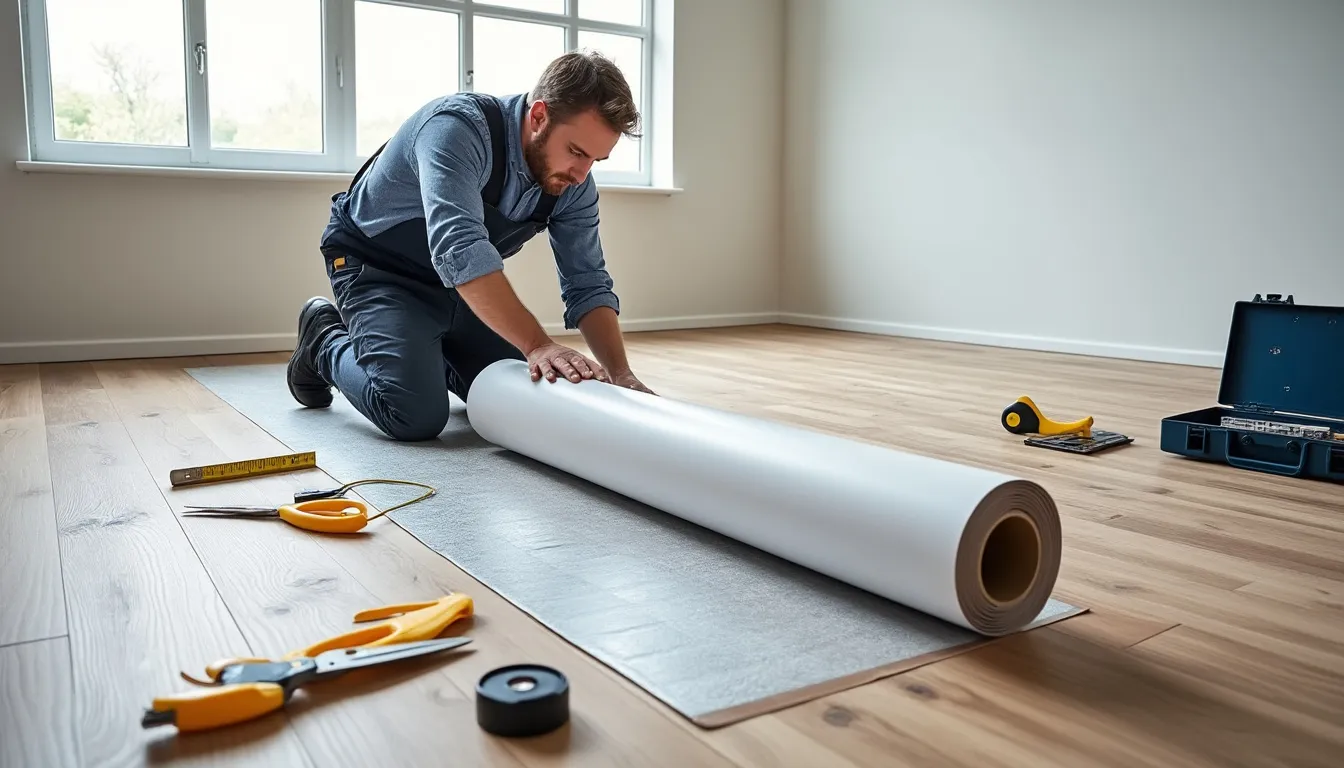
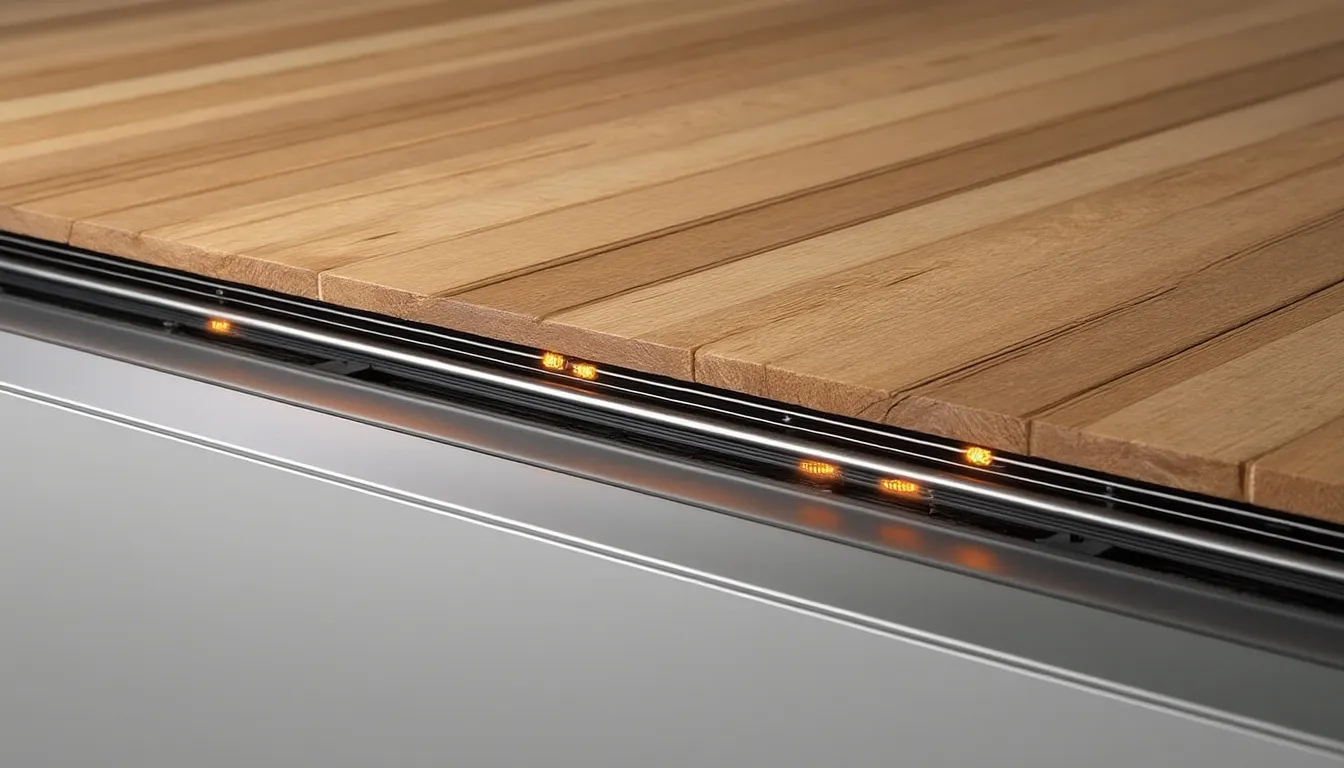
The steps for installing a heating film under laminate flooring
Installing a heating film under your floating parquet may seem daunting, but by following clear steps, this process becomes accessible to everyone. From preliminary organization to finishing, each step plays a key role in ensuring a successful installation.
1. Preparing the site
Before you begin, I recommend sketching a layout of the heating films. This will make installation easier and allow you to easily locate system components later on.
Check the condition of your electrical installation, following current standards (NF C 15-100).
Inspect the heating films to ensure they are free of folds or tears.
Gather your tools: scissors, measuring tape, screwdriver, drill, protective gloves, etc.
2. Installing the temperature sensor
To ensure optimal regulation, install a floor temperature sensor. Create a groove about 15 cm wide from the wall to facilitate wiring. Carefully clean the area before placing the sensor under the heating film.
3. Laying the insulating underlay
Unroll your insulating underlay ensuring that the Termofol logo is visible on the top. This layer prevents heat loss and improves the efficiency of your system.
4. Unrolling the heating film
Carefully unroll the heating film, leaving enough space around the edges. Use scissors to cut it to the desired dimensions according to the markers.
5. Electrical connection
Connect the heating films together, avoiding knots in the cables. Also, ensure that all electrical connections are secure.
6. Finishing touches and laying the flooring
Finally, check the system's operation by turning on the heating. Once everything works correctly, you can lay the floating parquet.
The specifics of laying under tiles: a bit more complex
If your choice is tile, the procedure remains similar, but it requires additional steps. You will need to pour a fiber-reinforced screed of at least 3 cm to accommodate your heating system. This step will ensure better heat conduction.
Pour a screed after installing the heating films.
Ensure that the screed dries for 30 days before laying the tiles.
Test your electrical installation before the final installation.
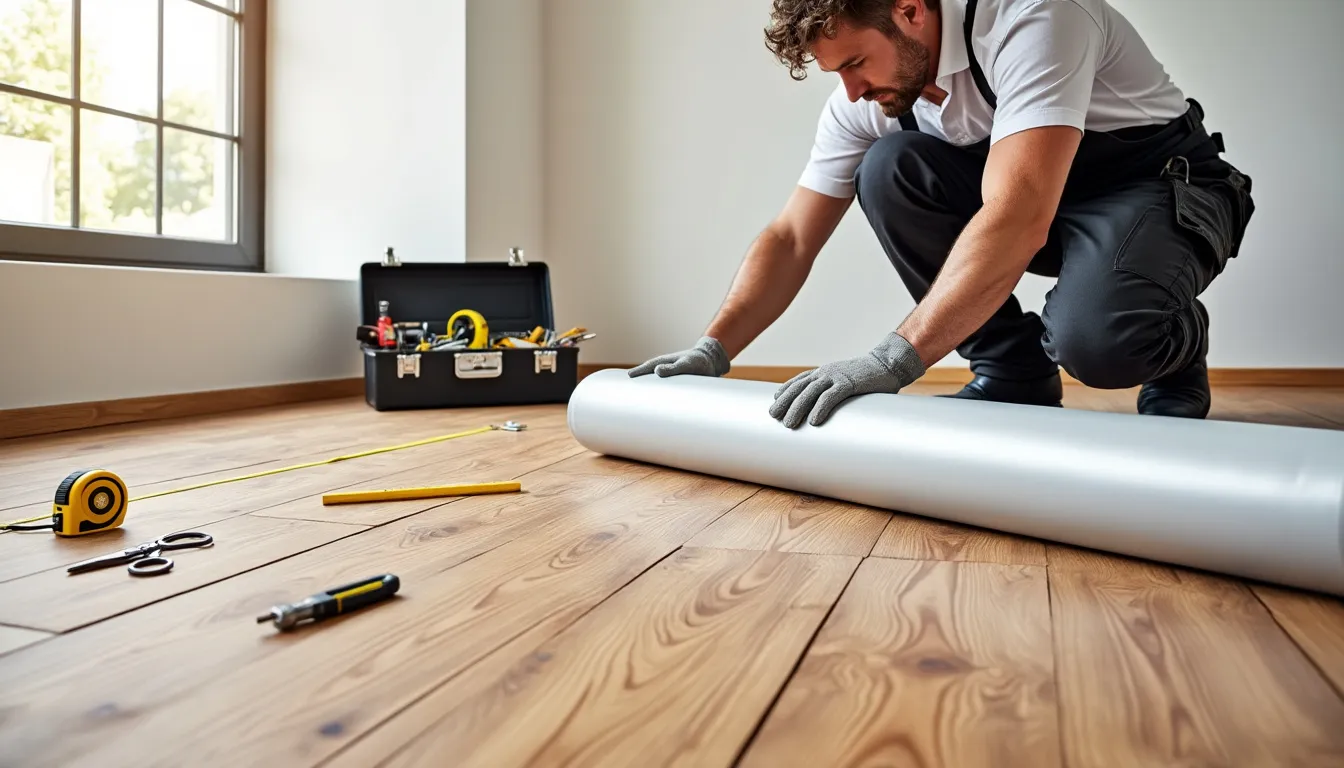
Installing a screed under tiles
Once the screed is poured, wait for it to completely dry before proceeding. To ensure the structure's solidity, using flexible adhesive is recommended for the tiles.
Optimizing your underfloor heating system: expert tips
For your underfloor heating to operate optimally, it is essential to pay attention to certain details. Brands like ComfortHeat and SolaireParquet offer innovative solutions to improve the energy efficiency of your installation.
Saving energy with underfloor heating
By using a programmable thermostat, you can adjust the temperature of your heating according to your needs. This will allow you to achieve significant savings while maintaining maximum comfort.
Program your heating according to your presence schedule.
Choose a thermostat compatible with your heating film.
Opt for a remote control system for more comfort.
Maintenance and durability
It is also important to regularly inspect your installation to ensure its longevity. Heating films require little maintenance, but that does not mean they should be ignored.
Type of maintenance | Recommended frequency |
|---|---|
Checking electrical connections | Every year |
Cleaning heat ducts | Every 2 years |
Temperature control | After each winter |
Frequently asked questions about installing a heating film
1. What type of covering is compatible with heating films?
Heating films are generally compatible with floating parquet, PVC panels, and vinyl. For tiles, a screed is necessary.
2. How long does it take to install a heating film?
The installation duration depends on the area, but a system under parquet can be installed in one day.
3. Can I install the heating film myself?
Yes, with the right tools and by following the instructions, you can carry out the installation yourself. However, it is always good to consult a professional to ensure compliance.
4. What is the average cost of underfloor heating installation?
The price varies according to the area and type of covering, but it can range from 40 to 100 euros per square meter, installation included.
5. What are the advantages of underfloor heating?
Underfloor heating offers uniform warmth, space savings, and better comfort. It is also silent, as it does not make noise like some radiators.
For any further information requests or for assistance with your installation project, feel free to contact me directly.