Secure heating for children and the elderly: essential tips for a healthy home
5 min read
In our quest for comfort and safety at home, heating plays a central role, especially when it comes to protecting the most vulnerable among us, such as children and the elderly. Did you know that every year, around 500 deaths in France are related to home fires? Good reflexes and preventive measures are therefore essential to ensure a healthy and secure environment. This article offers practical advice to secure your heating system while ensuring the serenity of your home.
The dangers of home heating: current state
When we talk about safety at home, it is vital to understand the potential threats that heating can represent. Heat is unavoidable, but it must be handled with care. Indeed, faulty installations or a lack of maintenance can lead to disastrous consequences.
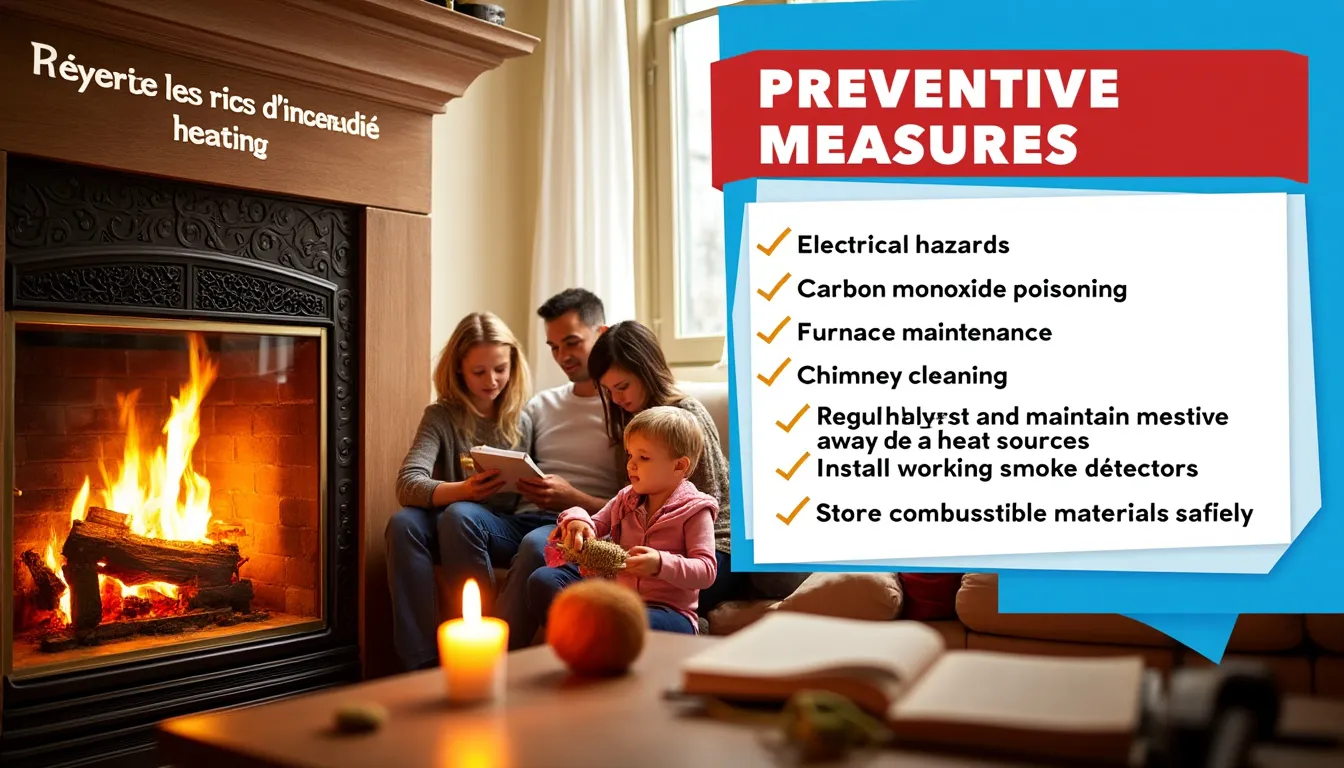
The main causes of heating-related incidents include:
Faulty heating devices: Poorly maintained heaters, including boilers and radiators, can cause carbon monoxide leaks.
Inappropriate electrical installation: Overloaded outlets and worn cables can lead to short circuits and fires.
Location of devices: Heaters too close to flammable materials or curtains pose an increased risk.
Lack of safety devices: The absence of smoke detectors or carbon monoxide detectors can delay the response in case of fire.
The main causes of heating-related accidents
To better protect oneself, it is crucial to identify the risk factors related to your heating system. Here is a summary table of common mistakes:
Common mistake | Potential consequences |
|---|---|
Not regularly maintaining heating systems | Fire risk and malfunctioning devices |
Leaving flammable objects near a heat source | Accelerating the spread of a fire |
Using heaters not suited to the space |
|
Ignoring signs of technical faults | Increased risk of accidents |
Preventive measures for a secure home
There are several measures you can take to protect your home from heating dangers. Here are some essential practices:
1. Regular check-ups and maintenance of heating systems
Invest in regular maintenance of your heating installations. To ensure everything is working correctly, it is recommended to:
Have your boiler systematically checked by qualified professionals.
Chimney sweep it every year to prevent blockages.
Ensure that all electrical connections are secure and not overloaded.
2. Install safety devices
Smoke detectors and carbon monoxide detectors are indispensable safety tools. Make sure to:
Install at least one detector on each floor.
Test their proper functioning regularly.
Replace the batteries at least once a year.
3. Educate family members
To promote a safe environment, educate your children and loved ones about the risks associated with heating:
Show them the importance of not touching heating devices without supervision.
Explain safe behaviors around fireplaces and candles.
Encourage them to always report anomalies.
4. Opt for suitable heating solutions
Adopt modern and efficient systems like ThermoSafe or Chauffage Zen, which not only reduce energy consumption but also offer advanced safety features. Here are interesting options:
ÉcoChauffage: ecological equipment with cutting-edge technologies.
Sérénité Chauffage: devices reducing the risk of accidents while maintaining optimal comfort.
Cocoon: solutions providing gentle warmth and protected against overheating.
The stakes for children and the elderly
Children and the elderly are often more vulnerable to home accidents, particularly those related to heating. It is essential to adapt your home to make it safe for these groups. Here are some crucial points:
1. Safe spaces
Create safe zones where children cannot easily access heating devices. For example:
Install safety barriers around fireplaces.
Keep heating devices away from play areas.
2. Safe temperatures
Ambient temperatures should be regulated to prevent burns or overheating. To ensure comfortable warmth:
Keep the temperature between 19 and 22 degrees Celsius.
Use a programmable thermostat for automatic regulation.
Integrate infrared heating, such as Espace Chaleur, which provides gentle warmth.
3. Awareness of heating dangers
Education is the best way to prevent accidents. Be sure to regularly discuss the dangers associated with heating with those around you:
Establish basic rules for using heating devices at home.
Use visuals to observe and understand the dangers.
Set up information sessions on dangers at home.
What to do in case of a heating-related accident?
It is essential to adopt reflexes in the face of heating-related accidents. In case of fire, follow these crucial steps:
1. Immediate evacuation
If a fire breaks out, the first action is to stay calm and evacuate immediately. Do not try to retrieve belongings. Here are the actions to follow:
Use the stairs: never take the elevator.
Close the doors behind you: to limit the spread of the fire.
Alert emergency services: call the fire brigade (18 or 112).
2. If smoke fills the room
You need to know what to do in case of smoke. Here are some essential steps:
Place a wet cloth under the door to prevent smoke from entering.
Signal your presence at the window if you are trapped.
Stay low, as smoke rises.
3. Prepare for the possibility of a fire
To be proactive, establish an emergency plan. Also consider installing systems like ProtectHome to prevent accidents. Think about:
Develop an evacuation plan known to all.
Create an outdoor meeting point.
React quickly in case of emergency and conduct drills regularly.
FAQ
Why are children more vulnerable to heating-related risks?
Children are naturally curious and may be attracted to heat sources without understanding the dangers. It is crucial to secure at-risk areas and educate children.
What heating technologies are the safest for families?
Systems like ThermoSafe and Sérénité Chauffage offer advanced safety features, thus reducing the risk of accidents.
How to recognize the signs of a faulty heating device?
Unusual noises, strange smells, or overheating are indicators that your device needs special attention and should be checked by a professional.
What safety equipment is essential at home?
It is essential to install smoke detectors and carbon monoxide detectors, as well as fire extinguishers, to respond quickly in case of fire.
How to educate my family about the dangers?
Regularly discuss the risks, establish clear guidelines, and conduct practical exercises to familiarize your family with safety protocols.