Leakage testing of the heating circuit: how to effectively prevent leaks?
4 min read
In a world where energy efficiency is becoming increasingly important, ensuring good sealing of heating circuits is crucial. A leak in a heating system can lead to significant energy losses, high repair costs, and even property damage. As an experienced plumber, I will guide you through the methods and techniques to effectively and preventively detect leaks, ensuring your system operates at its full potential. This article will address technical and regulatory aspects, as well as practical solutions to ensure optimal heating while respecting environmental standards.
Understanding the Importance of Sealing in Heating Circuits
Heating systems, whether hot water, steam, or those using gas boilers like Vaillant, Buderus, Ferroli, or De Dietrich, rely on sealing to operate efficiently. A faulty seal can lead to several problems, including:
Pressure drop: The loss of fluid due to a leak can reduce the pressure in the circuit, resulting in poor heating circulation.
Increased energy consumption: A system that has to work harder to compensate for leaks consumes more energy, raising your bills.
Potential property damage: Leaks can cause structural damage to the building, leading to costly repairs.
Corrosion: Moisture from a leak can cause corrosion of metal components, shortening the lifespan of your equipment.
In my experience, I have often seen heating systems such as those from Chaffoteaux, Saunier Duval, and Atlantic require special attention to their sealing to avoid these issues.
Assessing the Condition of Your Heating Circuit
Before detecting leaks, it is essential to assess the overall condition of your heating circuit. I recommend that you:
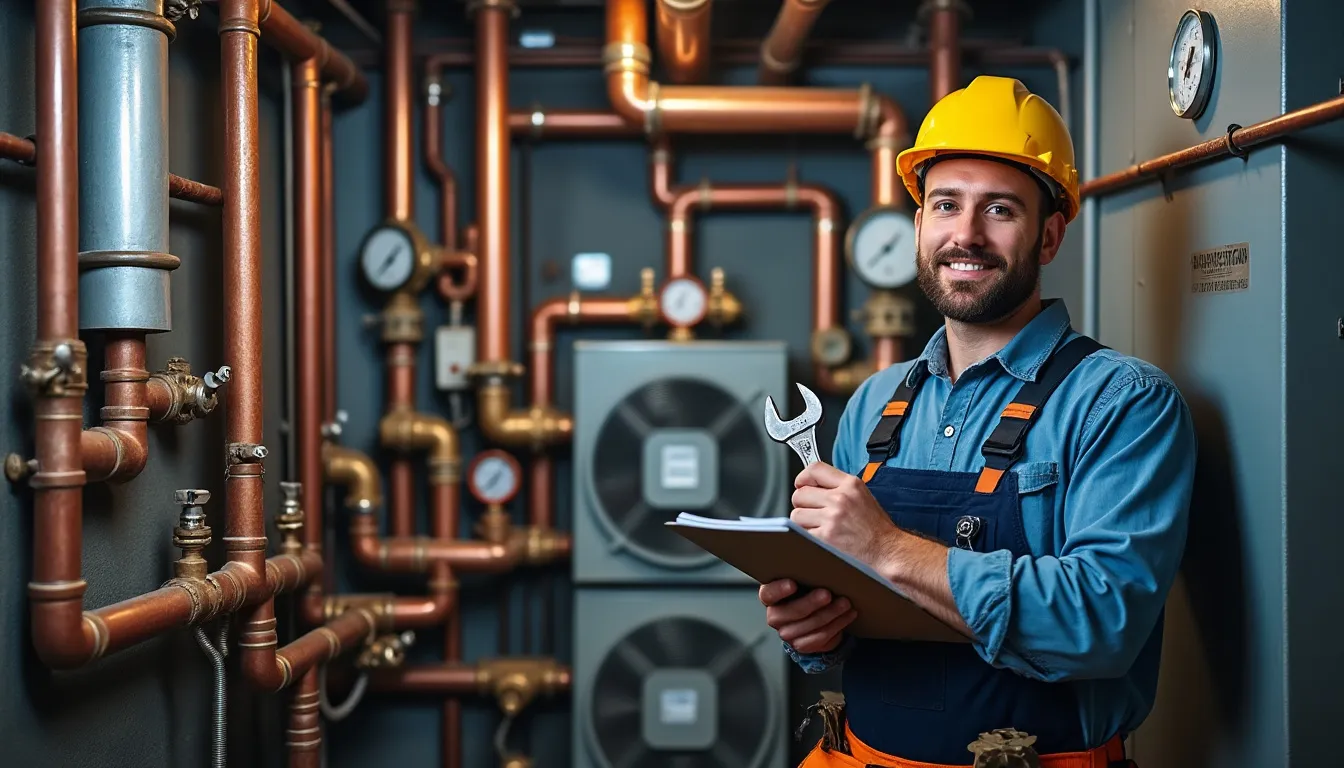
Check pressure with a manometer: This will give you an immediate indication of your system's condition. A pressure lower than 1 bar may be a sign of a leak.
Visually inspect connections: Examine joints, pipes, and valves for signs of moisture or corrosion.
Test components: Ensure that your boiler is effectively circulating hot water without leaks.
Regulations Regarding Sealing in Heating Circuits
Vigilance regarding the sealing of heating systems is not only crucial for performance but is also governed by regulations that protect consumers and the environment. France has integrated the European Union directives concerning energy performance of buildings, which stipulate that heating systems must be regularly inspected and maintained.
Regulatory texts state that:
Boilers with a power less than 400 kW must undergo mandatory annual maintenance to ensure their energy performance
Boilers over 400 kW must be inspected every two to three years, depending on their size
These requirements have been in effect since decree n°2009-648 and decree n°2020-912 of July 28, 2020, highlighting the importance of compliance for manufacturers such as Remeha and DeLonghi.

Key Steps for Maintenance and Inspection
In accordance with regulations, here are the critical steps you must follow to ensure proper maintenance and avoid leaks:
Schedule annual maintenance: Hire a certified professional to assess your system and carry out necessary repairs.
Control sealing: This includes pressure tests and inspection of joints, valves, and connections.
Inspection services: Systems must be inspected by accredited bodies every 2 to 3 years, depending on their power.
Leak Detection: Effective Methods
It is essential to know how to detect leaks to take the necessary corrective measures. Here are some proven methods:
Pressure Testing
Pressure testing is a crucial step in leak detection. For this:
Turn off and isolate the boiler: Ensure no additional pressure is introduced.
Fill the circuit: Apply water to reach the recommended pressure, usually between 1 and 2 bars.
Monitor pressure: If the pressure drops after a few hours, it indicates that there is a leak somewhere in the circuit.
Using Advanced Detection Tools
For harder-to-detect leaks, consider using certain tools:
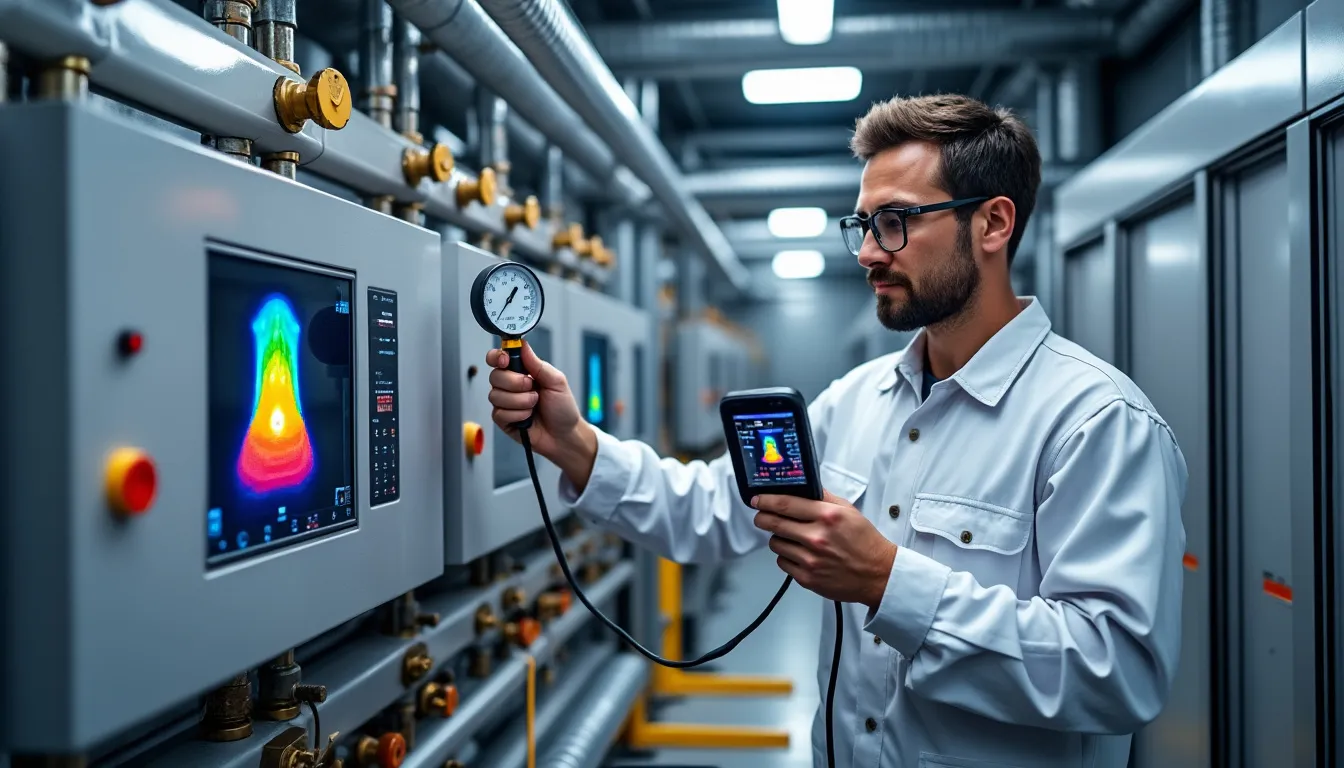
Thermal cameras: They measure temperature variations and can reveal hidden leaks.
Tracer gas: This special gas is introduced into the system, allowing the location of the leak using an appropriate detector.
Acoustic listening: A device that can capture the sound of leaks, especially useful for hard-to-reach areas.
Preventing Leaks in Your Heating Circuit
To avoid leaks in the future, there are several best practices you can implement:
Regular maintenance: An annual check by a professional to ensure everything operates correctly.
Pressure monitoring: Do not neglect pressure drops, as they can be the first signs of a leak.
Using anti-corrosion additives: This can extend the life of components and reduce the risk of leaks from corrosion.
Bleed the radiators: This helps remove trapped air in the circuit, which can also cause abnormal pressures.
The Crucial Role of Professionals
Calling on experts in the field is sometimes essential. I recommend contacting specialized companies that understand the issues related to energy renovation and the safety of your installations. This may include recognized brands such as Atlantic or Remeha, which offer exceptional support when needed.
FAQ on Sealing in Heating Circuits
Why is it important to check the sealing of my heating circuit?
A well-sealed heating circuit helps avoid energy losses, reduces heating bills, and prevents material damage that can occur due to water leaks.
How often should I have my heating system checked?
It is advised to carry out an annual maintenance and an inspection every 2 to 3 years, depending on the power of your installation.
What are the signs of a leak in my heating circuit?
Signs such as a drop in pressure on the manometer, radiators that do not heat uniformly, or signs of moisture may indicate a leak.
What methods are used to detect leaks?
Methods include pressure testing, thermal cameras, tracer gas, and acoustic listening.
Why hire a professional for leak detection?
Professionals have the necessary tools to quickly and effectively identify leaks without causing additional damage to your system.