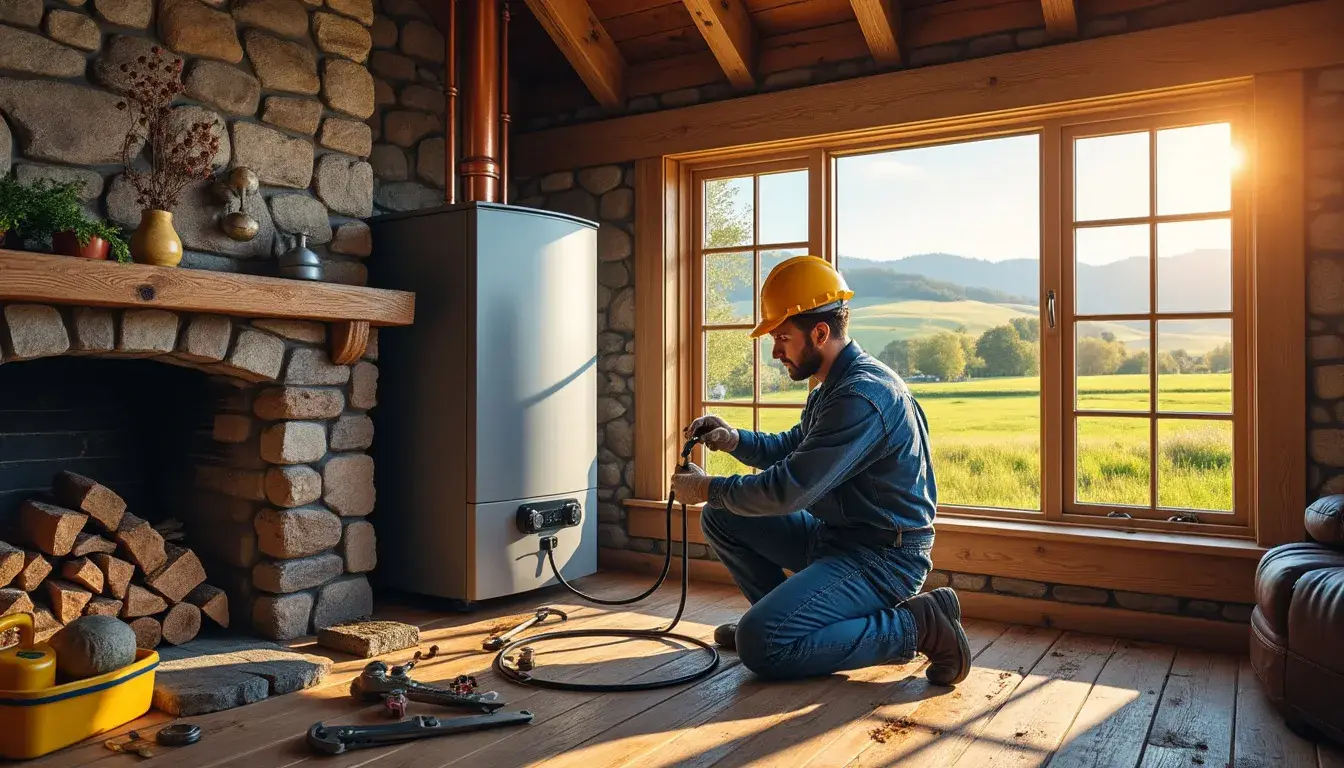
Installing a propane condensing boiler in a rural area: Practical guide and expert advice
6 min read
Choosing to install a propane condensing boiler in a rural area is a decision that brings benefits not only for your thermal comfort but also for your wallet and the environment. In 2025, this technology reached an unparalleled performance level, with energy savings of up to 30% compared to conventional boilers. Whether you are a homeowner looking to improve your heating system or a new buyer, it is essential to understand the key steps for a successful installation. We will guide you step by step through this process, while emphasizing the importance of hiring a professional RGE (Recognized Guarantee of Environment) to ensure compliance with standards, but also to benefit from financial assistance. Let's equip ourselves together!
Understanding Condensing Boilers: An Obvious Choice
The condensing boiler is a wise choice for many households, particularly in rural areas, where alternatives can often be limited in terms of accessibility and cost. But why is this system so recommended?
Energy savings: With high efficiency, these boilers recover heat from flue gases, providing remarkable energy efficiency.
Environmental respect: By using less fuel, you reduce your carbon footprint.
Ease of use: Equipped with modern regulation systems, they easily adapt to your needs.
Reputable brands such as Viessmann, Bosch, and Atlantic stand out with their models, each offering unique features tailored to different needs. Technology is constantly evolving, and it is always crucial to choose a product that integrates well into your home.
Preparing Your Condensing Boiler Installation Project
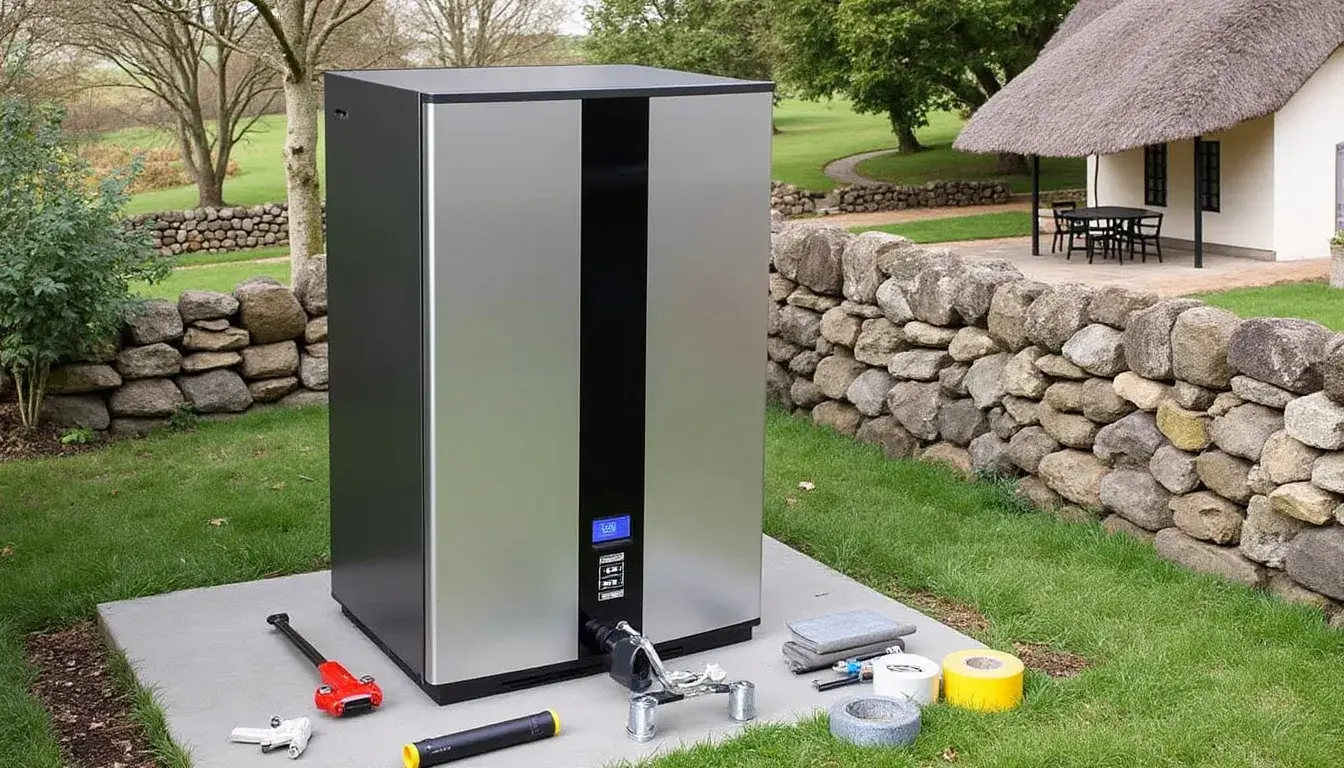
A good project starts with a thorough assessment. Here are the steps to follow to properly prepare your installation.
Analysis of your energy needs: This analysis involves sizing your boiler. For a medium-sized house (~100m²), a 15 kW boiler may suffice. However, for larger homes, you might need 25 kW or more.
Choice of fuel: Propane is a viable option, especially in rural areas, where natural gas may be less accessible. Also, consider the cost impact and alternatives like fuel oil.
Number of radiators and area to be heated: Count how many radiators you have and their size. This will directly influence the necessary power.
Area (m²) | Required power (kW) |
|---|---|
100 | 15 |
150 | 25 |
200 | 35 |
Choosing the Right Model of Condensing Boiler
At present, the market offers a wide range of boilers with various options. Here are some factors to consider when making your choice:
Energy efficiency: Opt for a model that shows optimal efficiency. A high-performing boiler, such as those from Remeha or Buderus, will ensure minimal fuel consumption.
Dimensions: Ensure that the space where the boiler will be installed can accommodate the chosen model without accessibility issues.
Integrated features: Modern boilers often include options such as timers or flame modulators, which help in better temperature control.
It is wise to compare reviews and feedback on different manufacturers, including Ferroli or Chappee, to get an idea of the durability and efficiency of the devices.
Obtaining Necessary Permits for Installation
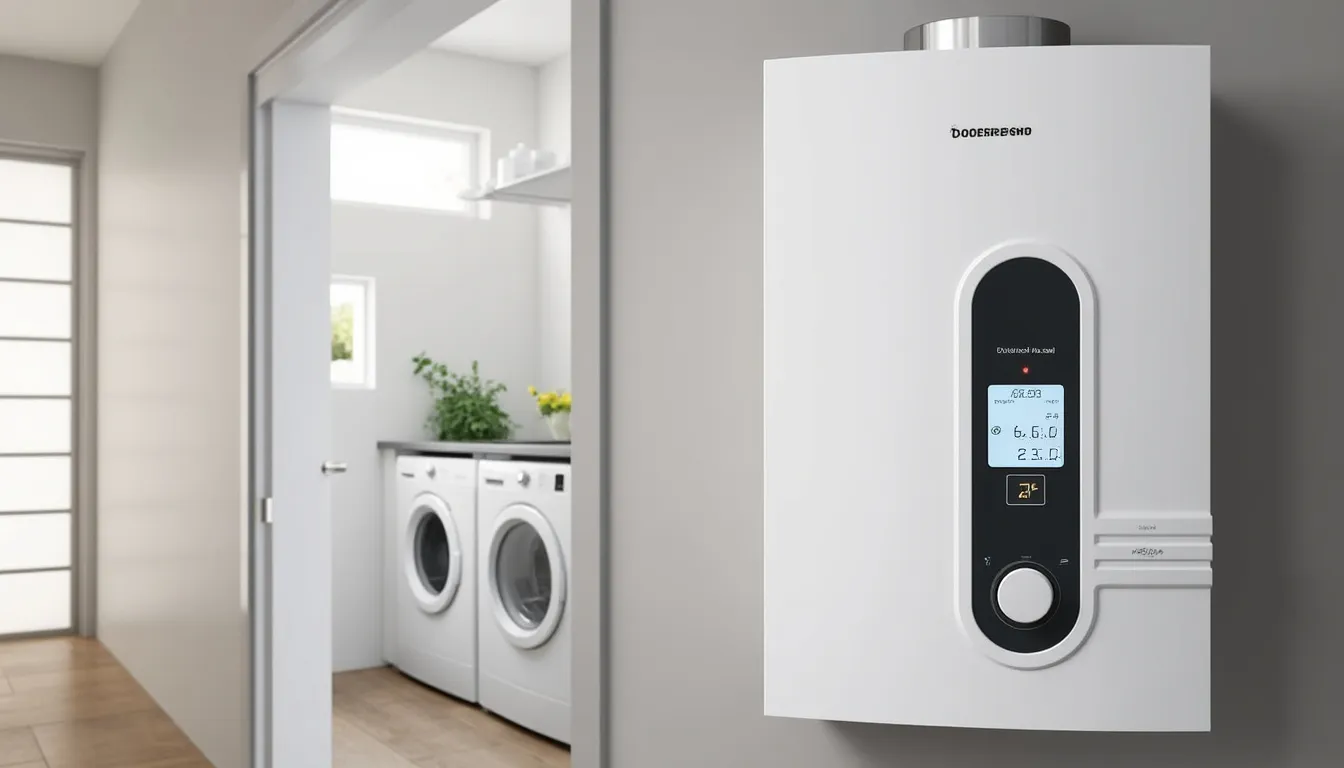
Before starting the installation work, here are the administrative steps to consider:
Check regulations: Depending on your municipality, you may need a building permit or a work declaration.
Safety standards: Follow the DTUs (Unified Technical Documents) to ensure compliance of your installation.
Declarations to the town hall: Inform local authorities to avoid future complications.
Paying particular attention to these aspects will facilitate the installer's work and ensure a legally compliant start.
Preparing the Technical Room for Boiler Installation
The choice of location for your boiler is crucial for its optimal functioning. Let's evaluate together the main considerations:
Ideal location: The room should be dry, ventilated, and accessible for regular maintenance. Good air circulation is essential.
Preparing the inlets and outlets: Ensure that the water, gas, and electricity connections comply with the device specifications.
Ventilation of the room: A VMC (Controlled Mechanical Ventilation) or natural ventilation is crucial to avoid the accumulation of harmful gases like carbon monoxide.
Selection Criteria | Details |
|---|---|
Accessibility | Ease of maintenance and access by the installer |
Ventilation | Minimize the risks of carbon monoxide accumulation |
Proximity to networks | Avoid costly installation work |
Importance of Professional Installation
An important point not to be overlooked is to hire a qualified RGE installer. Here’s why:
Safety standards observed: A professional guarantees an installation that complies with current regulations.
Financial assistance: You could benefit from assistance such as MaPrimeRénov' thanks to a recognized installer.
Experience: A seasoned technician will know how to adapt the installation to the specific requirements of your home.
Installation Process and Commissioning of Your Condensing Boiler
After preparing the technical room and choosing the professional, it is time to proceed with the actual installation. Here are the key steps of the process:
Electrical and hydraulic connection: This includes setting up gas or oil lines, electrical connection, and connecting to the heating circuit.
Purging the circuit: A complete purge is necessary to eliminate air and ensure proper water circulation in the radiators.
Commissioning: The installer must conduct tests to ensure proper configuration and optimal functioning of the boiler.
During this phase, particular attention is paid to the tightness of connections, which will ensure the safety and longevity of your device.
Importance of Rigorous Commissioning
After installation, it is essential to carry out a rigorous commissioning:
Adjustment checks: Pressure and temperature must be adjusted according to your needs.
Boiler control: The installer will check the correct functioning, including energy consumption tests.
Certificate of conformity: It is crucial that you receive a certificate proving that everything has been done according to standards.
Optimizing the Performance of Your Condensing Boiler
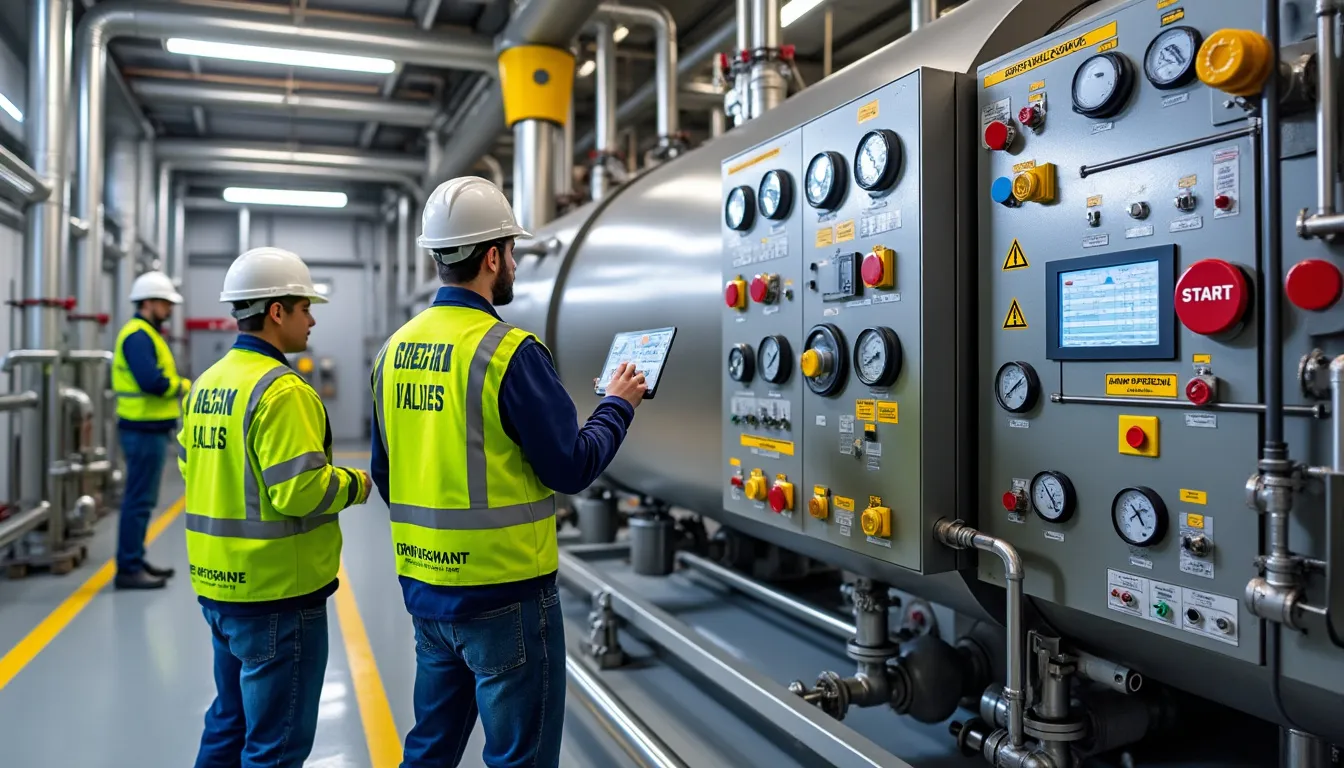
Once the installation is complete, it is imperative to optimize the performance of your boiler. Here are some tips to follow.
Temperature adjustment: Precise regulation allows adaptation to different seasons. A programmable thermostat can help you manage this effectively.
Pressure monitoring: Ensure that the circuit pressure remains within the recommended indicators to avoid any malfunction.
Use of a smart thermostat: This type of thermostat can even be controlled remotely, offering dynamic management of your consumption.
In the long term, these adjustments will help maintain a high level of efficiency while reducing your heating bills.
Parameter to monitor | Frequency of verification |
|---|---|
Water temperature | Weekly |
Circuit pressure | Monthly |
Condensate level | Quarterly |
The Importance of Safety and Regular Maintenance
Investing in a condensing boiler is an excellent decision, but it also involves ensuring its longevity through preventive measures:
Installation of a carbon monoxide detector: A mandatory device to ensure the safety of your home.
Annual maintenance contract: Choose a professional for cleaning and checking all boiler components.
Regular revisions: In addition to annual maintenance, perform simple checks to ensure there are no leaks and that pressure is adequate.
FAQ about Installing a Propane Condensing Boiler in Rural Areas
Q: What are the advantages of a condensing boiler compared to a traditional boiler?
A: It offers superior efficiency, enabling you to save on your energy bills while being more environmentally friendly due to its better efficiency.
Q: Do I need a professional for the installation of my boiler?
A: Yes, installation must be carried out by a qualified RGE professional to ensure your safety and allow you to benefit from financial assistance.
Q: What is the lifespan of a condensing boiler?
A: Generally, these boilers can last between 15 and 20 years with regular maintenance.
Q: What fuels are most suitable for a condensing boiler in rural areas?
A: Propane is an excellent choice for rural areas, but fuel oil and alternative solutions like wood pellets can also be considered if propane is not available.
Q: What financial assistance is available for the installation of a condensing boiler?
A: You may benefit from MaPrimeRénov' and other subsidies if your installation meets certain energy efficiency standards.