Maintaining your heating: how to prevent breakdowns and save money
5 min read
In a constantly evolving world where environmental concerns and energy-saving needs intersect, ensuring that your heating system operates optimally has become essential. By 2025, thermodynamic technologies, such as thermodynamic water heaters, are increasingly favored for their energy efficiency and low ecological footprint. But how can you ensure their proper functioning while reducing associated costs? This article offers concrete solutions to prevent breakdowns in your heating system and maximize your savings.
Optimizing the use of your heating system: the fundamentals
When it comes to domestic heating, several factors come into play to ensure efficient and economical operation. Whether it's a traditional model or an advanced system like those produced by Viessmann or De Dietrich, the performance of the device depends on key elements that every homeowner should be aware of.
Understanding the different heating systems
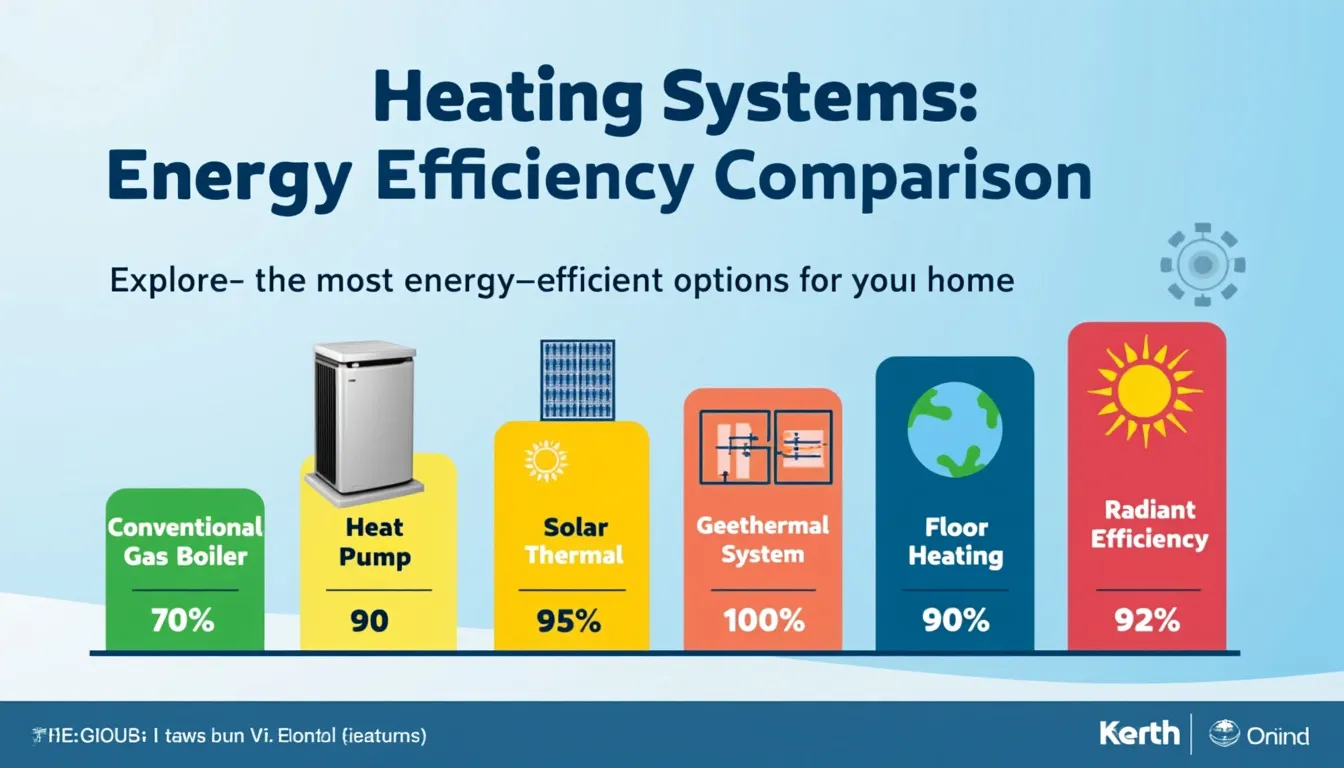
Beyond thermodynamic water heaters, there is a variety of heating systems available on the market. Each has its own characteristics, advantages, and disadvantages. Here’s an overview of the most common systems:
Electric resistance water heater: classic system, often costly in energy consumption.
Solar water heater: prioritizes renewable energy, but depends on weather conditions.
Thermodynamic water heater: uses ambient air to heat water, thus providing substantial savings.
Gas water heater: a popular choice, but can incur high costs depending on gas prices.
In 2025, an essential aspect to consider is the integration of these systems into a larger energy network, often coupled with new energies such as solar and wind energy. This paves the way for significant energy-saving opportunities.
Regular maintenance: key to performance
As a plumber with several years of experience, I cannot emphasize enough the importance of regular maintenance. Preventive maintenance not only extends the lifespan of your device but also reduces the risk of unexpected breakdowns. Here are some practical tips:
Check the filters regularly. A clogged filter can diminish the efficiency of your system.
Bleed the radiators: this action helps release trapped air and optimize heating.
Monitor system pressure: an incorrect pressure level can harm the operation of your heating.
Contact a professional for annual maintenance to ensure ideal operation.
Investing a bit of time and effort into maintaining your heating system can lead to substantial savings in the long run.
Installation costs and financial aids: a lever for adoption
Installing a new heating system may seem like a major expense, but in 2025, significant amounts of financial aid are available to support households in their energy transition. Keep in mind that a good investment project should be well planned.
Financial aids available in 2025
Grant and tax credit opportunities are more accessible than ever. Here’s a summary table of the available aids:
Type of aid | Average amount per household | Eligibility conditions |
|---|---|---|
Tax credit | 30% of installation cost | Installation by a certified professional |
Local grant | Varies by region | Depends on the type of system installed |
Zero-interest eco-loan | Up to €30,000 | |
ANAH aid | From €1,600 to €4,000 | Resource conditions |
The installation cost: a long-term view
Although the cost of a thermodynamic water heater may range from €2,500 to €4,000, it is important to keep in mind the savings you can achieve on your energy bills. Thermodynamic installations, like those offered by Chaffoteaux or Bosch, can reduce energy consumption to a level of 1,000 kWh per year, much lower than that of traditional water heaters.
Innovations of 2025: towards connected heating
We are living in a time when technology is gradually transforming our approach to domestic energy management. By 2025, heating systems are becoming increasingly intelligent, integrating innovative features that allow for optimized consumption management.
Water heaters and connected homes
Technological advances now allow the integration of heating devices into home automation systems. You can thus control your water heater remotely, monitor your energy consumption, and adjust parameters according to your needs. Imagine being able to activate your water heater while you are still at the office, ensuring that a hot shower awaits you upon your return home.
Manufacturers like Atlantic and Buderus offer intelligent heating models that automatically adapt to consumption habits, contributing further to your energy savings.
The challenges of new technologies
Even though technology offers promising solutions, it is not without challenges. Here are some obstacles that users may encounter:
Initial cost: Connected devices can have a high cost, which may hinder adoption.
Understanding systems: Households need to familiarize themselves with these new technologies to make the most of them.
Specialized maintenance: Advanced systems may require additional technical expertise for maintenance.
It is crucial to remember that change sometimes requires an adaptation period, but the benefits in energy savings are far outweighing these shortcomings.
Daily actions to optimize your heating
Alongside a good installation and periodic maintenance, there are many simple daily actions you can adopt to improve the efficiency of your heating system. As a plumber, I am convinced that small changes can have a big impact.
Simple actions to take
Bleed the radiators: At least once a year, it is advisable to bleed your radiators to ensure uniform heat distribution.
Descaling and cleaning: A dirty system can harm efficiency. Regular cleaning should be done.
Adjusting thermostats: Adjust your thermostats according to your needs to avoid wasting energy.
Insulation of ducts: Ensure that your heating ducts are well insulated to minimize heat loss.
Signs that your heating requires immediate attention
Being attentive to signs of malfunction can save you costly breakdowns in the future. Here are some telltale signs:
Decrease in ambient temperature compared to the thermostat setting.
Unusual noises such as banging, creaking, or vibrating.
Unexplained increase in electricity bills.
Unpleasant odors coming from your heating devices.
Difficulty starting or stopping your heating system.
With vigilance and responsiveness, you can prolong the life of your heating system and ensure optimal thermal comfort.
FAQ on heating maintenance and cost optimization
1. What is the advantage of a thermodynamic water heater compared to a conventional water heater?
A thermodynamic water heater uses ambient air to heat water, which is much more economical in the long run, thereby reducing your electricity bills.
2. How often should I schedule maintenance for my heating system?
It is recommended to have your heating serviced at least once a year by a professional to ensure its proper functioning and avoid breakdowns.
3. Can I perform basic maintenance on my water heater myself?
Yes, simple tasks such as bleeding radiators and cleaning filters can be done by yourself, but for more technical interventions, it is advisable to call a professional.
4. What financial aids can I receive for the installation of a thermodynamic water heater?
In 2025, several aids are available, including tax credits, local grants, and zero-interest eco-loans, intended to encourage the installation of energy-efficient heating systems.
5. How can I know if a heating system is compatible with a home automation integration?
Consult your supplier or plumber to determine the compatibility of your device with the home automation systems available on the market.