Installation of solar thermal panels: what financial assistance is available in 2025?
5 min read
The energy transition is at the heart of concerns in 2025, and the installation of thermal solar panels plays a key role in this approach. The financial assistance put in place this year represents a real opportunity for individuals wishing to invest in renewable energy. Thanks to innovative mechanisms such as tax reductions, grants, and other forms of support, it is now possible to significantly reduce the costs associated with the installation of these systems. In this article, we will explore in detail the various aids available and how they can allow you to take advantage of solar energy in a cost-effective way.
Understanding the financial aids available for the installation of thermal solar panels
2025 marks a turning point in government support for investments in renewable energies. Solutions to install thermal solar panels are more accessible than ever, and several financial aids reinforce this dynamic. This chapter revolves around three main devices: the reduced VAT, MaPrimeRénov’, and the self-consumption grant.
The reduced VAT: a relief on installation costs
In 2025, consumers can benefit from a reduced VAT rate of 10% for the installation of photovoltaic panels with a power less than or equal to 3 kWc. For thermal systems, the reduction is even more advantageous: the VAT is set at 5.5%. This mechanism applies automatically if you call upon a certified RGE (Recognized Guarantor of the Environment) installer, which is a significant advantage for households wishing to switch to solar energy.
10% VAT for photovoltaic installations ≤ 3 kWc
5.5% VAT for thermal systems
Obligation to engage a RGE professional to benefit from these rates
MaPrimeRénov’: a grant accessible for low-income households
The MaPrimeRénov' grant was designed to facilitate access to sustainable and energy-efficient installations. In 2025, households can benefit from aid of up to €10,000 for the installation of thermal solar panels, provided they meet certain criteria:
The property must be over 15 years old.
Work must be carried out by a RGE professional.
The owner must occupy the property for at least 8 months a year.
This grant makes equipping with combined systems, such as solar water heaters and heating, much more affordable for low-income households.
The self-consumption grant: an additional income
To encourage self-consumption, a decreasing grant is available, based on the power of the installation:
Power of the installation | Amount of the grant |
|---|---|
≤ 3 kWc | 220 €/kWc |
3 kWc to 9 kWc | 160 €/kWc |
Up to 36 kWc | 100 €/kWc |
These aids, funded by actors such as EDF or other approved suppliers, are paid directly after the commissioning of your installation, thus providing an immediate boost to your budget.
Why is 2025 the ideal year to invest in solar energy?
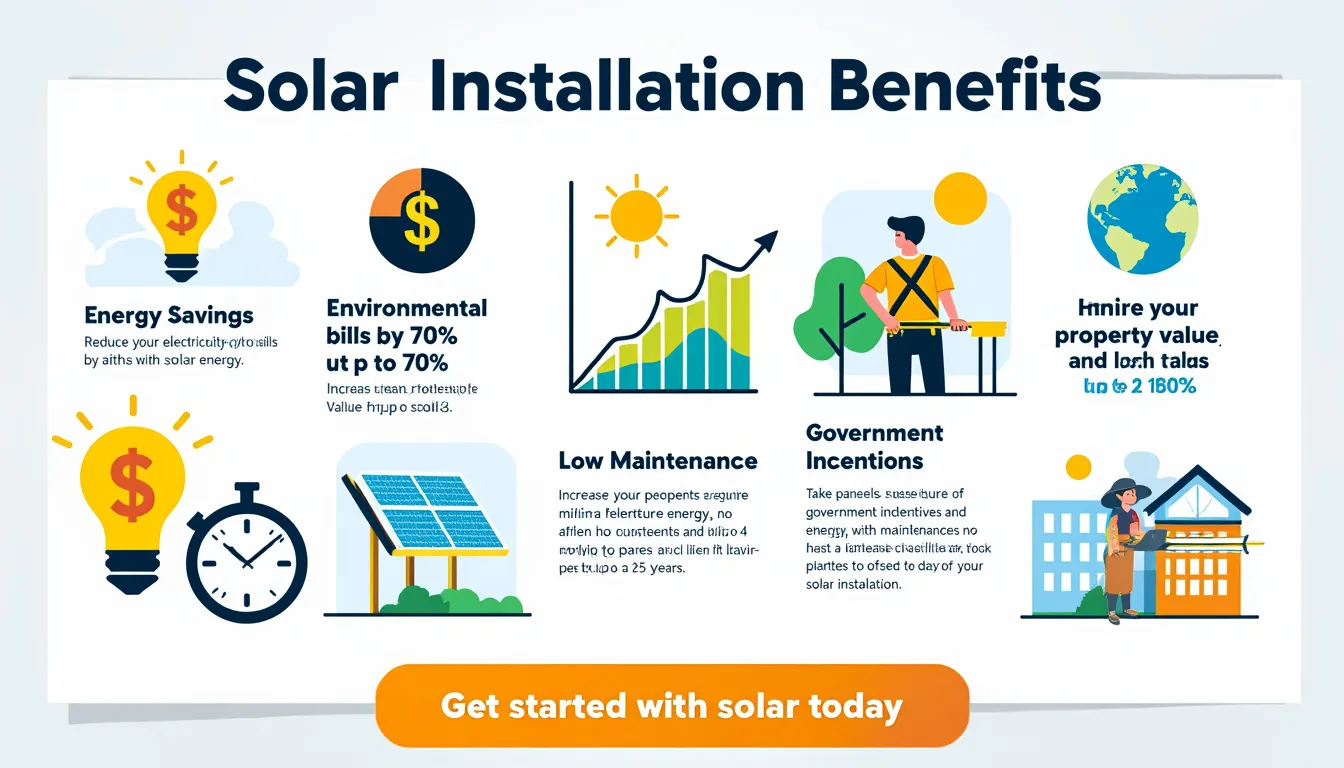
With such a favorable financial landscape, 2025 is shaping up to be a pivotal year for anyone considering investing in solar energy. In addition to the mentioned aids, other factors converge to make this period the ideal time to get started.
Energy savings and return on investment
One of the main advantages of a solar installation is the significant reduction in your electricity bill. By investing in solar panels, you can not only reduce your consumption but also generate income by reselling your surplus electricity. Indeed, the photovoltaic feed-in tariff scheme proposed by the State guarantees a fixed rate for 20 years for the electricity you sell.
Predictable income for 20 years thanks to the feed-in tariff
Tax exemption on resale income for installations ≤ 3 kWc
Initial investment offset by long-term savings
A commitment to a sustainable energy transition
Investing in thermal solar panels is also a step toward a more sustainable future. Each installation contributes to reducing greenhouse gas emissions, promotes energy independence, and helps stabilize the electrical grid. Major players such as TotalEnergies, Engie, SolaireDirect, and others actively participate in this momentum with varied offers.
Outlook for market evolution
The solar energy market continues to evolve and adapt to consumer needs. In 2025, innovative companies such as Systovi and Photowatt stand out in the sector with cutting-edge technologies and solutions tailored to new energy challenges. With the rising power of initiatives like GreenYellow and EcoWatt, it is certain that the sector will continue to grow, making solar energy even more accessible.
In conclusion to this chapter, it is clear that 2025 is shaping up to be the ideal year to integrate solar solutions into one's home, while benefiting from unprecedented financial support.
Steps to successfully install thermal solar panels
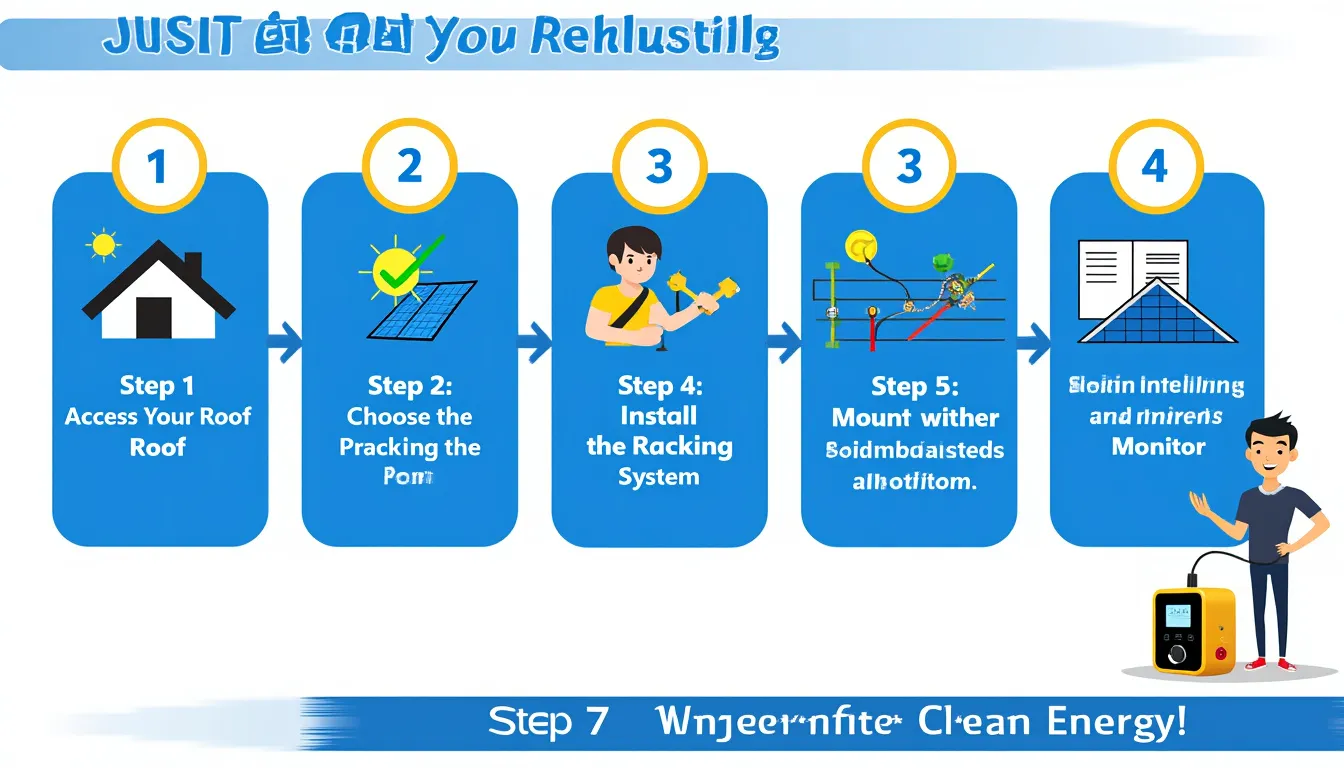
Once you have decided to take action, it is essential to properly prepare your project for installing thermal solar panels. This requires a methodology and consideration of several elements to ensure the success of the installation.
1. Determine the feasibility of your project
This is the first essential step. Conduct an energy audit to understand your needs and determine if your roof is suitable for receiving panels. Consider:
The surface area available on the roof
Its orientation and slope
Obstacles such as trees or other buildings
After this analysis, don't hesitate to contact a professional for advice and to propose suitable solutions.
2. Compare offers from installers
The choice of installer is crucial. Obtain several quotes and examine the proposals carefully. Consider:
The total price of the installation
The guarantees offered
The professionalism of the company (certifications, experience)
3. Prepare a grant application file
Once the installer is chosen, it is essential to create a solid file to benefit from financial aids. This may include:
A detailed quote from the installer
Documentation regarding the property (age, occupancy)
Proof of support from a RGE professional
4. Oversee the installation and commissioning
Ensure that the installation is carried out according to standards and in accordance with the rules of the trade. Once the installation is completed, ask the installer to proceed with commissioning while respecting certain essential steps:
Verification of operation
Connection to the electricity grid via Enedis
Declaration to your energy supplier
FAQ about the installation of thermal solar panels in 2025
What are the conditions to benefit from MaPrimeRénov’?
The property must be over 15 years old, occupied by the owner for at least 8 months a year, and work must be carried out by a RGE professional.Are the income from selling electricity taxable?
For an installation of less than 3 kWc, the income generated from selling surplus is tax-exempt.How to choose the right solar panel installer?
Examine the quotes, check RGE certifications, and inquire about client references before making a decision.What are the benefits of switching to self-consumption?
Benefits include savings on electricity bills and the ability to sell generated surplus electricity.Who are the best energy suppliers for solar panels?
Players like EDF, TotalEnergies, and Engie offer interesting solutions for solar installations.