Reuse your old radiators: a guide to renovating your heating system
6 min read
In a world where energy renovation has become a priority, the challenge of efficiently heating an old house is acute. Historic buildings, with their unique architecture, often raise the question of optimizing thermal comfort while preserving their authenticity. Reusing your old radiators, embracing an eco-responsible approach, combining energy savings and performance, are crucial issues for your heating circuit. This guide aims to help you discover the best solutions to modernize your installation while respecting the charm of your home.
The challenges of renovating a heating circuit in an old house
The renovation of a heating system in an old house is not just a question of comfort. It also includes an essential factor: energy efficiency. Indeed, with issues such as often insufficient thermal insulation and aging heating networks, it is imperative to conduct a prior thermal diagnosis. This diagnosis will allow you to assess the specific needs of your space, identify heat losses, and consider suitable heating solutions.
When approaching the renovation of an old house, here are some constraints to keep in mind:
Sometimes failing thermal insulation: Old houses are often less well insulated than modern constructions, which can lead to significant heat loss.
Thick walls and humidity: The thick structure can trap moisture, affecting air quality and thermal comfort. This will require appropriate treatment.
Large volumes to heat: Spacious rooms require a more powerful heating system for uniform comfort.
Aging heating networks: If an old heating system is already in place, it can be expensive to replace it completely, hence the importance of exploring rehabilitation options.
Therefore, consider a balance between modernity and tradition by questioning the different heating solutions: from condensing boilers to heat pumps, including wood heating. When making your choice, also take into account the financial aids available in 2025, such as MaPrimeRénov' and zero-interest eco-loans, to alleviate your renovation budget.
Thermal diagnosis: a crucial step
Conducting a thermal diagnosis is essential before choosing your heating solution. Here are the main steps:
Evaluate the current performance of the heating system.
Identify sources of heat loss through windows, doors, and walls.
Measure humidity levels and determine their impact on thermal performance.
Analyze the needs according to the volumes of each room.
A well-conducted diagnosis will allow you to better choose between heating systems such as Atlantic radiators, known for their performance, or Kermi radiators, which offer excellent heat distribution.
Heating systems suitable for old houses
Let's review the heating options that are most suitable for a house undergoing renovation. Three systems stand out: the heat pump, wood heating, and high-performance gas boilers.
Heat pump: an energy revolution
The heat pump is an ecological and economical solution that comes in several types:
Air-Air: It is ideal for milder seasons, allowing not only heating but also air conditioning your space.
Air-Water: It is compatible with existing water radiators, providing a practical solution if you already have a central heating network.
Geothermal: Although requiring excavation work, this type of heat pump is extremely efficient for heating.
Heat pumps consume little energy, especially in regions where winters are mild, thus increasing your comfort while minimizing your ecological impact.
Wood heating: a return to basics
A traditional and friendly heating method, wood heating comes in several formats:
Wood stoves: For a cozy heat that easily adapts to any interior.
Wood boilers: Ideal for those who want to enjoy warmth in multiple rooms.
Using wood as a heating source remains economical. In 2025, it continues to be the most affordable fuel, while being a key element in creating a pleasant atmosphere in your home.
High-performance gas boilers
High Energy Performance (HEP) gas boilers play an important role in old houses.
Efficiency: An optimized yield providing constant heat.
Compatibility: Use of existing radiators, thus reducing installation costs.
Comfort: A silent and reliable heating system.
Gas boilers are an excellent choice for homes already connected to natural gas. However, their viability will ultimately depend on fluctuations in gas prices.
Heating system | Advantages | Disadvantages |
|---|---|---|
Heat pump | Economic and ecological | High initial investment |
Wood heating | Pleasant atmosphere and economical | Difficult fuel storage |
High-performance gas boiler | Comfort and efficiency | Sensitivity to price fluctuations |
Adopting a comprehensive renovation approach
Modernizing your heating circuit without considering the entire house can lead to disappointments. A comprehensive thermal renovation is key for optimal comfort.
Optimize thermal insulation
Insulation plays a fundamental role in the energy performance of a home. Make sure to address the following points:
Attic insulation: Classically, good roof insulation can reduce heating needs by 30%.
Walls: Treat wall insulation to limit losses.
Window replacement: Invest in double or triple-glazed windows.
These works, in conjunction with the choice of systems such as those offered by the French Heating Company, will ensure sustainable savings on your bills.
The role of ventilation
Ventilation is also crucial in old houses to avoid humidity problems. Installing a controlled mechanical ventilation (CMV) system allows for maintaining healthy air quality while optimizing thermal comfort.
Photovoltaic panels: towards energy autonomy
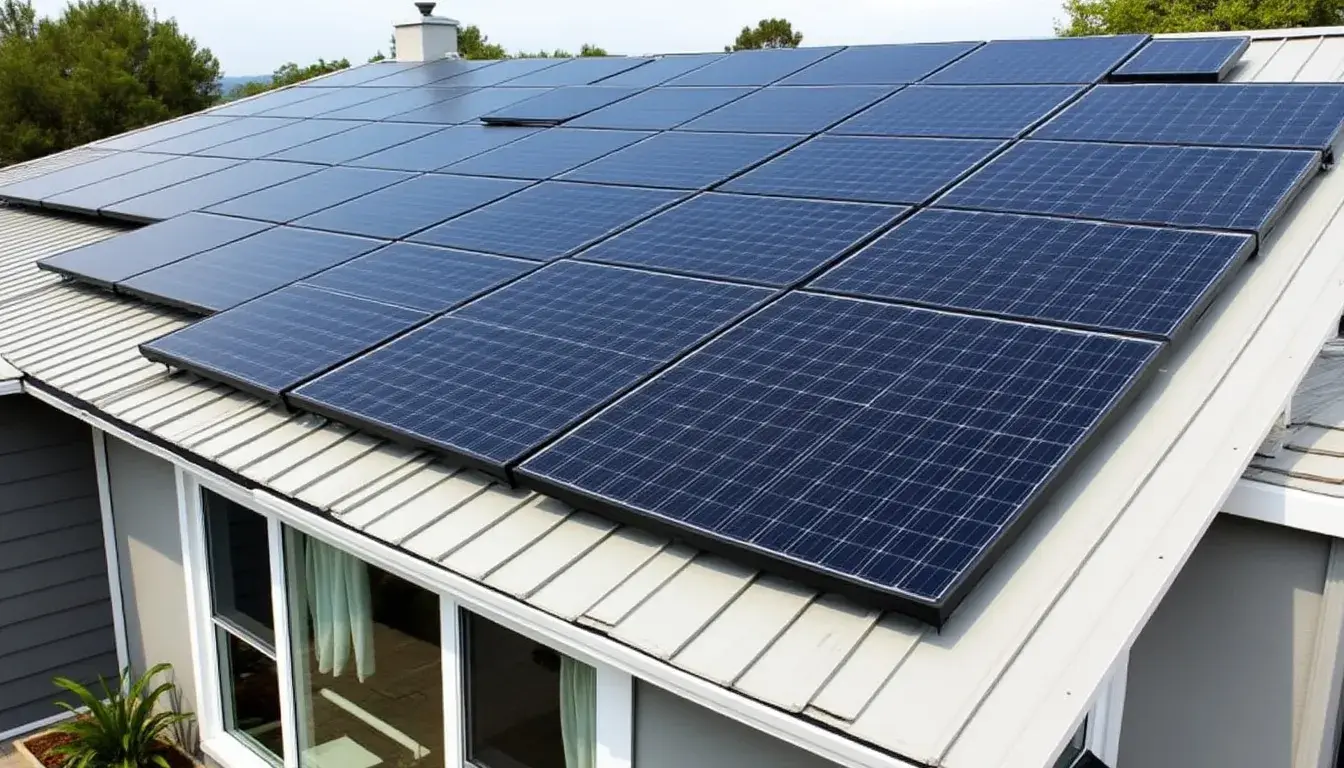
To go further in your renovation process, consider integrating photovoltaic panels. This modern technology not only reduces dependence on external energy but also helps decrease costs related to electricity consumption.
The advantages of new electric radiators
If your old radiators are no longer functioning properly or are too energy-consuming, considering their replacement may be a wise decision to improve your thermal comfort. New generations of radiators such as Noirot and Thermor offer more efficient and aesthetically pleasing solutions.
Replacing your old radiators to reduce your consumption
An outdated electric radiator can increase your bills. Here are reasons to consider replacing it:
Energy consumption: Older models are inefficient, heating unevenly.
Thermal comfort: New models, with their inertia technology, allow for homogeneous heat distribution.
Energy savings: With recent advancements, you can save up to 30% compared to older systems.
The aesthetic choice of new radiators
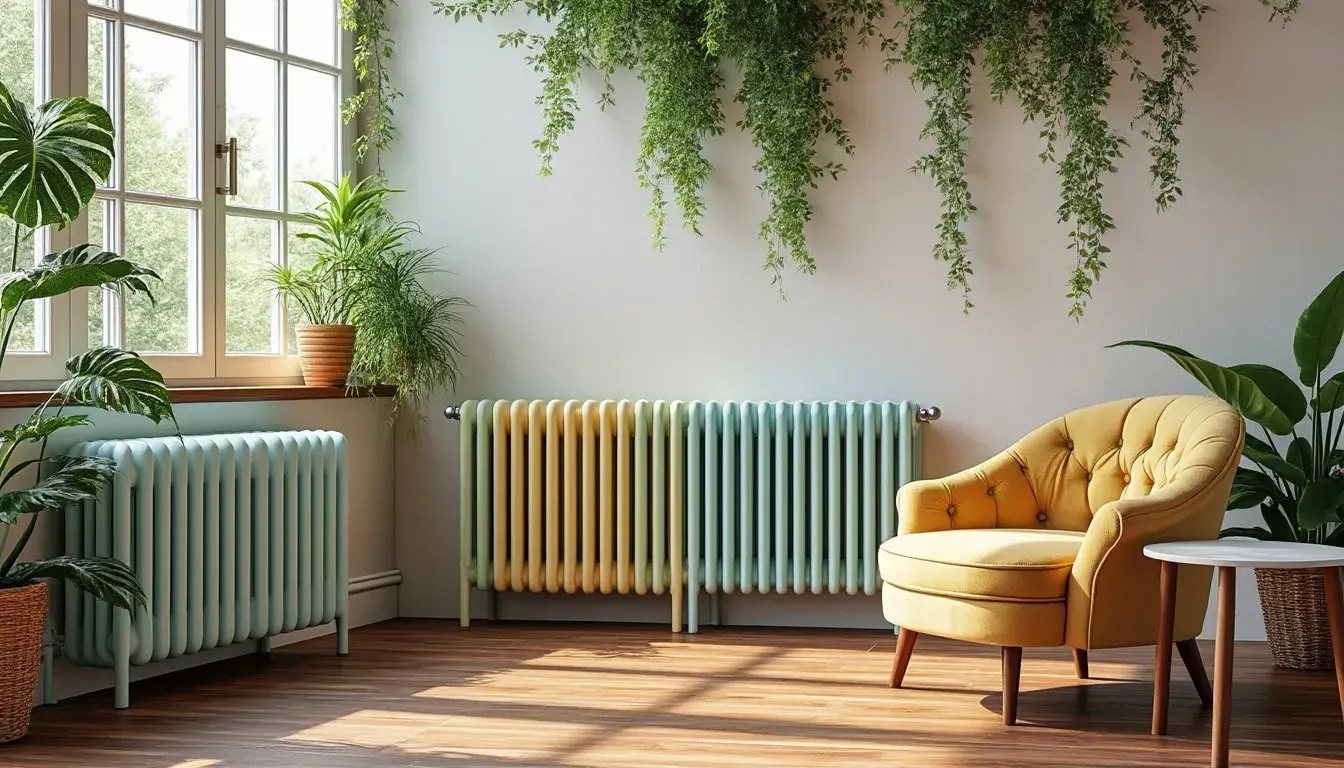
Old radiators often have outdated designs. In contrast, today’s designer radiators come in various shapes, from vertical models to very discreet low radiators, which fit harmoniously into your interior.
Practical tips for replacing your radiators
To replace an old electric radiator, here are the key steps:
Turn off the electricity: Before any intervention, ensure the power is turned off at the circuit breaker.
Remove the old radiator: Be careful to proceed cautiously to avoid damaging the wall.
Install the new model: Follow the manufacturer's instructions for electrical connections.
Check the power: Ensure that the breaker is suitable for the power of your new device.
For a modified comfort, feel free to consult professionals for personalized advice.
Criteria | Old radiators | New radiators |
|---|---|---|
Energy efficiency | Low | High |
Thermal comfort | Uneven | Homogeneous |
Design | Outdated | Contemporary |
Operating costs | High | Minimized |
And now? The next steps towards effective renovation
Renovating your heating circuit is part of a broader approach to enhance your property and improve your daily comfort. By combining history and modernity, implementing solutions like Wärmec heating systems will allow you to reach unprecedented levels of efficiency.
Support from professionals
The choice of systems and monitoring their installation often require the expertise of a professional. As a plumber, I advise you to seek trusted specialists such as Chauffage Design to ensure the quality of your project. A good installation is essential for sustainable energy savings.
Don't hesitate to ask your questions about new installations, maintenance needs, or even available financial aids. Each project deserves special attention, and I am here to guide you through all these steps.
Frequently Asked Questions
What is the best heating system for my old house?
It depends on many factors, including the state of insulation, budget, and area to be heated. A heat pump is often recommended for its efficiency and ecological impact.How can I benefit from financial aid for renovation?
Multiple schemes, such as MaPrimeRénov', are in place to facilitate energy renovation in 2025. Inquire with the relevant organizations.Is it possible to reuse my old radiators?
Yes, if your installation allows it. The important thing is to ensure that your old radiators are in good condition and compatible with the new heating system chosen.What insulation is recommended for an old house?
Insulating attics and walls is essential. Using eco-friendly materials is a plus to preserve the building's authenticity.Is maintenance necessary after renovation?
Absolutely. Regular monitoring of heating installations is essential to ensure their performance and prolong their lifespan.
Renovating a heating system in an old house represents an opportunity to improve comfort while reducing energy consumption. By carefully considering your choices, you can enhance your property while contributing to a more sustainable future.