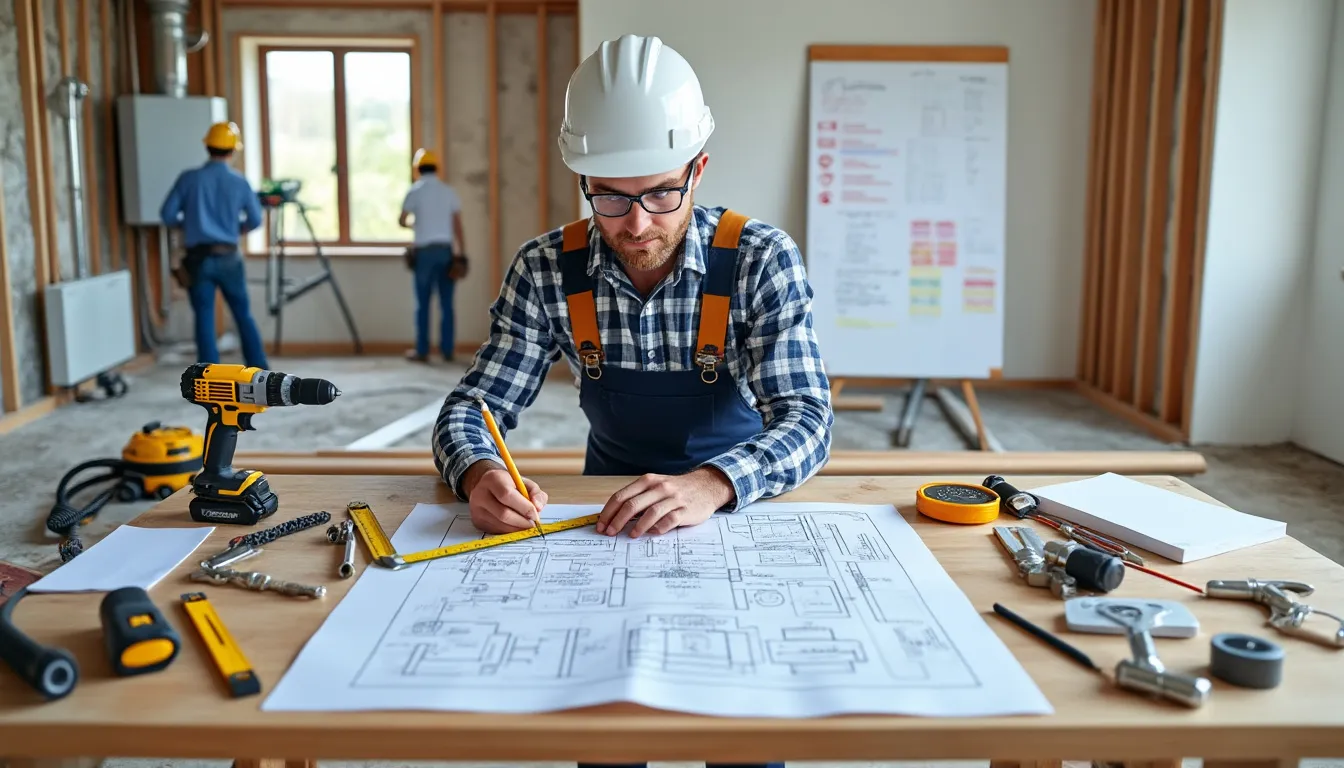
Efficient heating renovation: plan your work step by step
5 min read
Faced with contemporary energy challenges, the efficient renovation of your heating system is no longer just an option, but a necessity. In 2025, the awareness of climate challenges and the rise in energy costs are pushing many homeowners to consider renovations. Not only does this approach allow for substantial savings on energy bills, but it also contributes to the enhancement of your property. However, before embarking on this adventure, it is essential to establish a detailed and thoughtful action plan.
Why embark on the energy renovation of your home?
Energy renovation is not just an aesthetic concern; it directly impacts your quality of life and finances. Improving the energy efficiency of your home brings multiple benefits, including:
Reduced energy consumption: A well-insulated and equipped property requires less energy for heating or cooling.
Lower energy bills: By consuming less energy, you reduce your monthly expenses.
Increased thermal comfort: Good insulation ensures a pleasant temperature throughout the year.
Property value enhancement: Properties with a favorable Energy Performance Diagnosis (EPD) often sell for a higher price.
Environmental protection: By reducing your carbon footprint, you play an active role in the fight against global warming.
Never lose sight of the fact that each renovation is also an investment decision for your future.

Why establish a priority order in your energy renovation work?
While the prospect of construction may seem daunting, it becomes easier to grasp when the work is well planned. This will allow you to better manage your budget and optimize your efforts.
To begin, it is essential to create a list of the work to be done, ranking them by relevance. For example, if it is necessary to replace your heating system, this should be prioritized if the house is not sufficiently insulated. By proceeding this way, you maximize the results of each intervention.
Here are some concrete advantages of defining a priority order:
Cost optimization: by grouping certain tasks, you can save on materials and labor.
Prevention of complications: good insulation before replacing heating will make your system more efficient.
Improved comfort: each stage done correctly will bring you immediate benefits.
Step 1 of your energy renovation: the thermal insulation of your roof
The first step of any energy renovation should always begin with roof insulation, as this part accounts for nearly 30% of heat loss. Effective insulation can have a significant impact on your heating bills.
Depending on the type of attic you have, several options are available to you:
For lost attics: Install fiberglass insulation, an effective and economical insulator, although other eco-friendly options like hemp or cellulose wadding are also available.
For converted attics: Rigid or semi-rigid insulating panels between the rafters will be more suitable.
Make sure to also insulate the floor if there is a basement or crawl space, as this will contribute to a stable heat in your home.
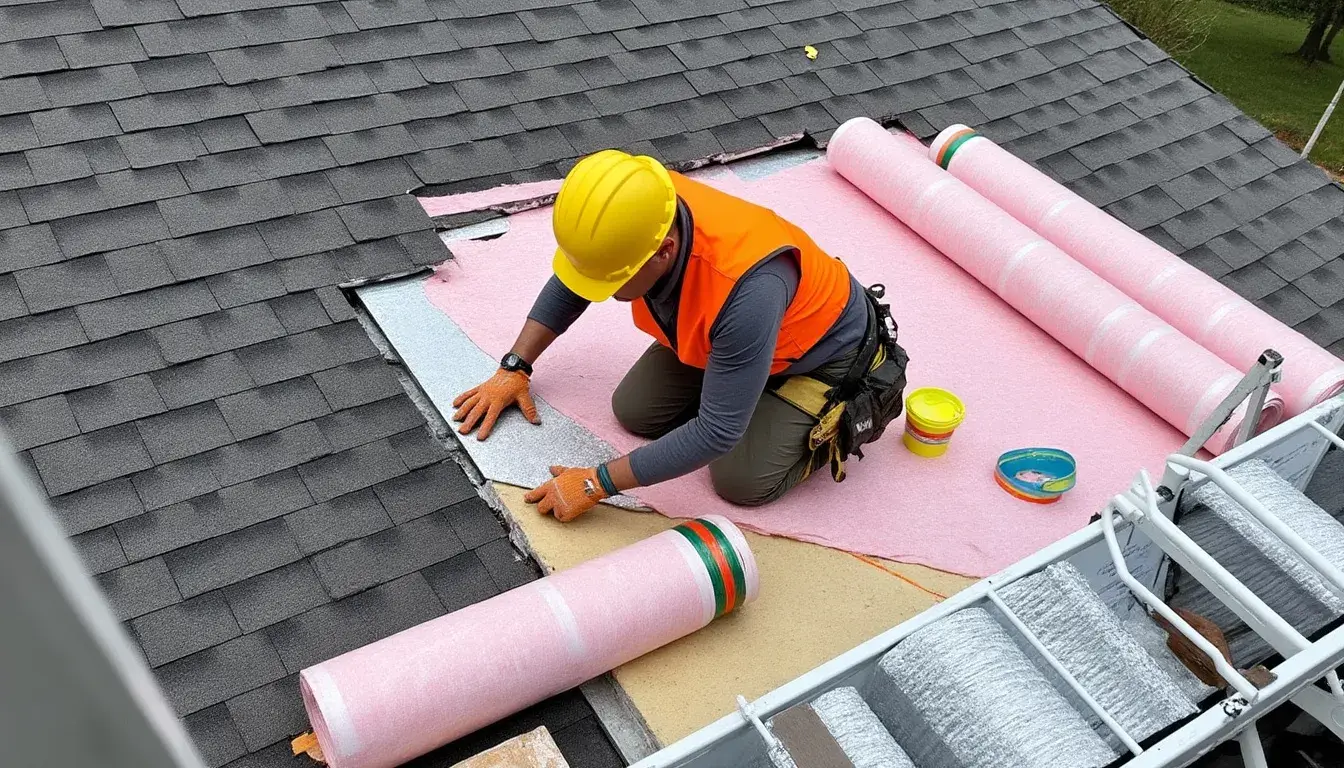
Step 2: insulating your walls, from the inside or outside
After the roof, the next step concerns wall insulation. Prioritize the insulation of walls exposed to the north or strong winds.
Here are two insulation methods:
Internal insulation: This requires doubling the walls with insulating panels, which is more economical but slightly reduces living space.
External insulation: Much more advantageous, this method does not impact the interior space, and you will also give your facade a fresh look.
It is always wise to consult experts to maximize results and avoid costly mistakes.
Step 3 of your thermal insulation: doors and windows
After addressing your roof and walls, it is crucial to consider your joinery. Old windows allow a significant portion of heat loss; thus, it is essential to replace them if they are single-glazed.
Be sure to choose double glazing or even triple glazing for better thermal performance.
Invest in shutters: They protect against climatic variations.
Ensure your patio doors are well insulated: This guarantees good sealing and reduces heat loss.
On average, between 10 and 15% of heat escapes through uninsulated windows, according to Ademe.
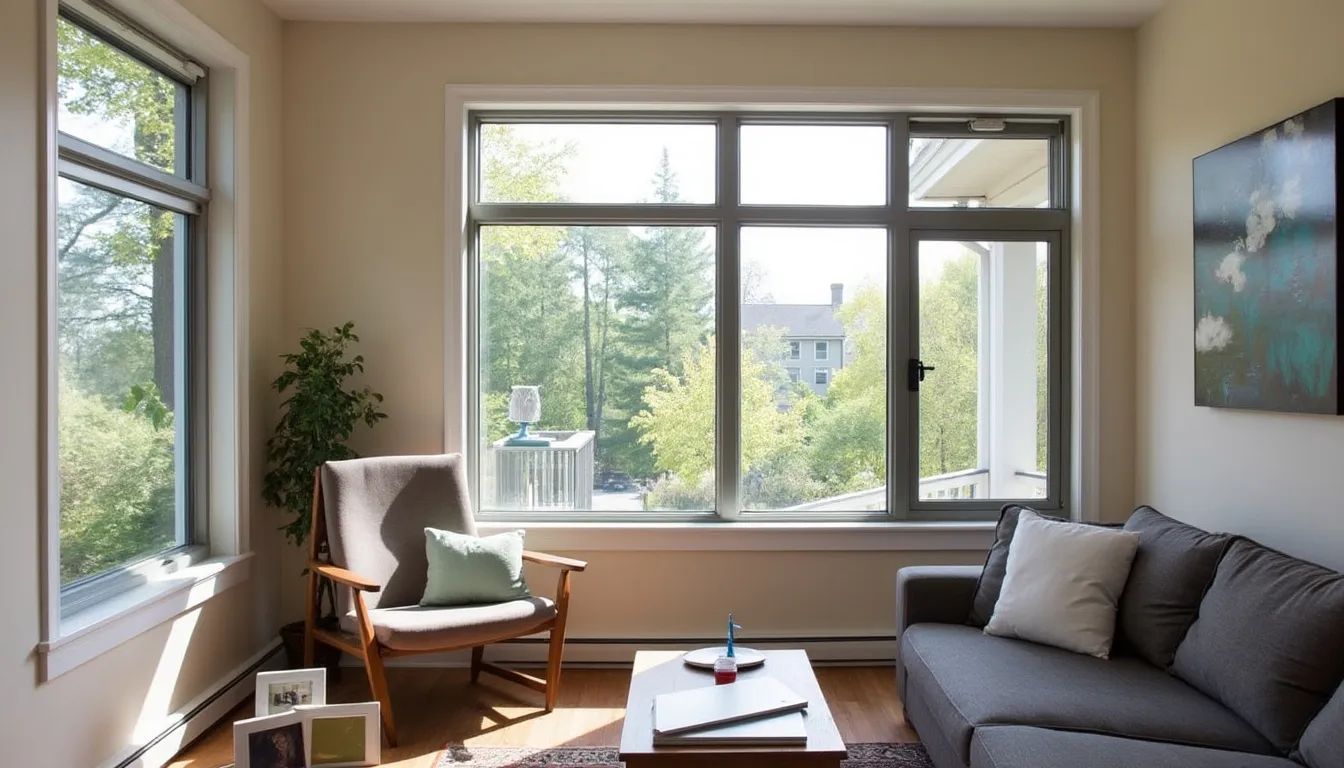
Step 4: install new ventilation to renew the air
Having a perfectly insulated home is one thing, but ensuring good air circulation is equally necessary. A Controlled Mechanical Ventilation (CMV) could be the ideal solution. Consider installing a hygroscopic model that adjusts automatically to the humidity in your home.
Less humidity: This prevents the risk of mold and improves air quality.
Air filtration: Opt for a double-flow CMV for even greater efficiency.
Step 5: opt for a new, more efficient heating system
Finally, installing an efficient heating system concludes your energy renovation project. several options are available to you:
Inertia radiators: Ideal for gentle and even heat.
Heat pumps: They are increasingly popular for their energy efficiency.
Solar panels: A future solution that uses renewable energy to power your home.
Changing your heating system translates into long-term savings. Government aids, such as MaPrimeRénov', make these investments even more affordable.
What assistance does the State offer for your energy renovation?
In this renovation context, it is essential to inquire about the financial aid available to support homeowners. Among the main ones:
MaPrimeRénov': Originating from the CITE, it promotes the improvement of the energy efficiency of your home.
Eco-PTZ: An interest-free loan for financing the work.
Energy savings certificates (ESC): These aids are also cumulative with MaPrimeRénov’.
If you seek personalized advice, France Rénov' advisors are at your disposal to answer all your questions.
How to avoid scams during your energy renovation work?
Unfortunately, the energy renovation sector has its share of scams. Here are some tips to protect yourself:
Do not give in to telemarketing: Such solicitations are often suspicious.
Verify the company's qualifications: Ensure that it is labeled RGE (Recognized Guarantee of the Environment).
Compare quotes: Take the time to consult several companies to let competition play.
Vigilance is essential to ensure the success of your renovation.
FAQ
What are the most cost-effective works during an energy renovation?
Insulation work, particularly in attics, is generally considered the most cost-effective due to its direct impact on energy bills.
How can I find qualified artisans for my work?
It is advisable to refer to artisan evaluation sites or seek recommendations from your circle.
What financial aid can I expect for my work?
Aids depend on the work carried out, but schemes like MaPrimeRénov’, Eco-PTZ, or ESC are often available.
How long do energy renovation works generally take?
The duration will depend on the scope of the work, but the more you plan ahead, the quicker it will be.
Should I conduct an energy audit before starting work?
Yes, an energy audit can provide valuable information on the weaknesses of your home and the most sensible works to undertake.