Modification of the electrical panel for the installation of a three-phase heat pump: what you need to know
5 min read
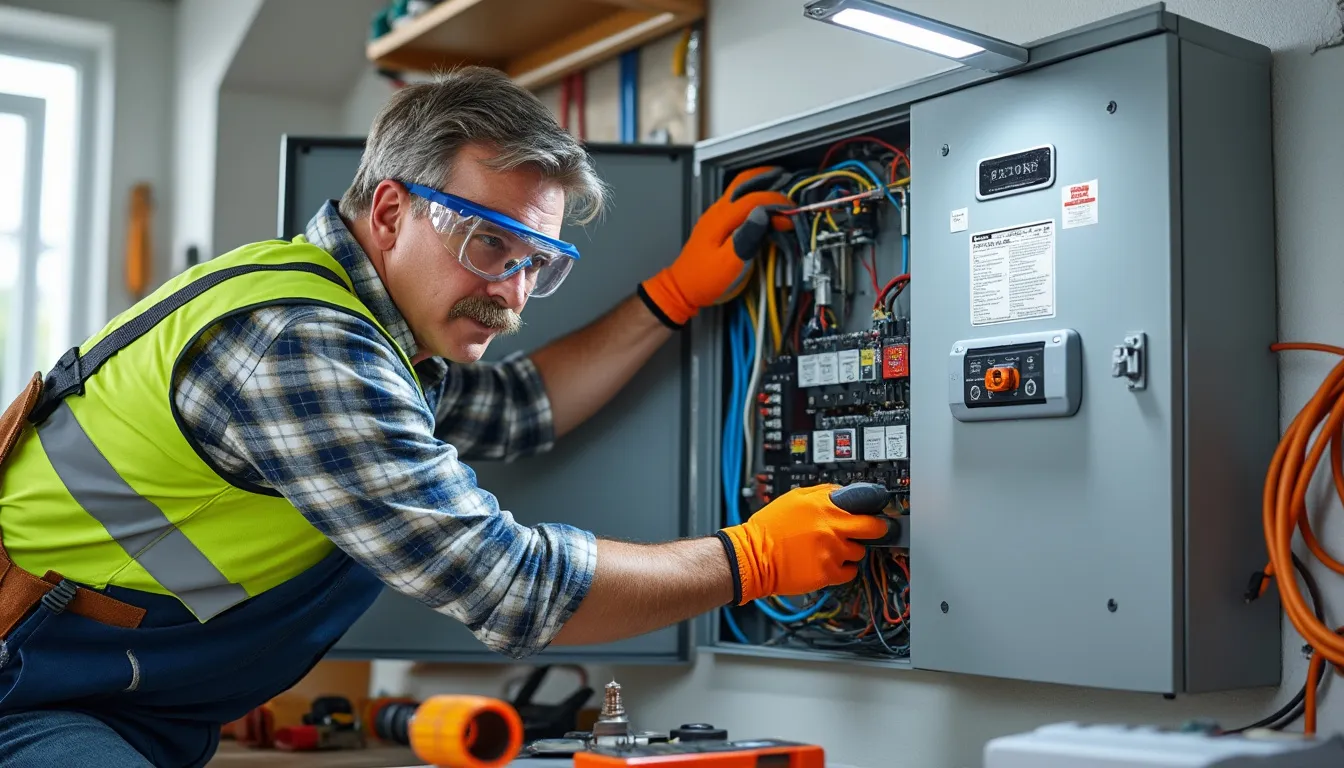
In a world where energy efficiency and reducing carbon footprints have become priorities, the installation of a heat pump (HP) represents an essential solution for homeowners concerned about their energy consumption. In 2025, as the energy transition continues to accelerate, it is crucial to ensure that your electrical panel can manage this new equipment. Making the necessary modifications to your electrical panel to accommodate a three-phase HP should be a priority to ensure safety and performance.
In this article, we will explore the essential aspects to know regarding the modification of your electrical panel for the installation of an HP. Starting from the specifics of the required electrical supply to the standards that must be respected, we will provide you with all the keys to successfully carry out this operation.
Choosing the Right Type of Power Supply for Your Heat Pump
The first question that arises when installing an HP is the type of electrical supply to favor. For an HP, you will have the choice between a single-phase model operating at 230V or a three-phase model at 400V. Each of these types has its advantages and disadvantages, and your choice must be adapted to your existing electrical installation.
Specifications of the Three-Phase HP
Three-phase models are often more efficient and suitable for the needs of medium to large-sized homes. Additionally, they allow for a better distribution of electrical loads, which can reduce the risks of overheating and overload. Moreover, using a three-phase HP can help decrease electricity consumption peaks, which is beneficial for your bill.
Power: Three-phase Hps can achieve powers greater than those of single-phase models, making it possible to power other devices.
Stability: By relying on a three-phase network, you ensure a more uniform and stable voltage.
Economy: Using a three-phase HP often correlates with long-term energy savings, especially if you plan to use high-consumption devices.
Characteristics of Single-Phase Models
If your electrical panel only supports single-phase, it is still possible to install an HP. However, it is essential to check the subscribed power and ensure that all connected devices do not exceed this limit. The single-phase HP is ideal for small homes or those with less intensive use.
Criteria | Single-Phase HP | Three-Phase HP |
|---|---|---|
Voltage | 230V | 400V |
Power | Less than 12 kW | Up to 36 kW |
Usage | Small homes | Medium/Large homes |
Voltage consistency | Less stable | More stable |
Standards and Regulations for the Electrical Connection of the HP
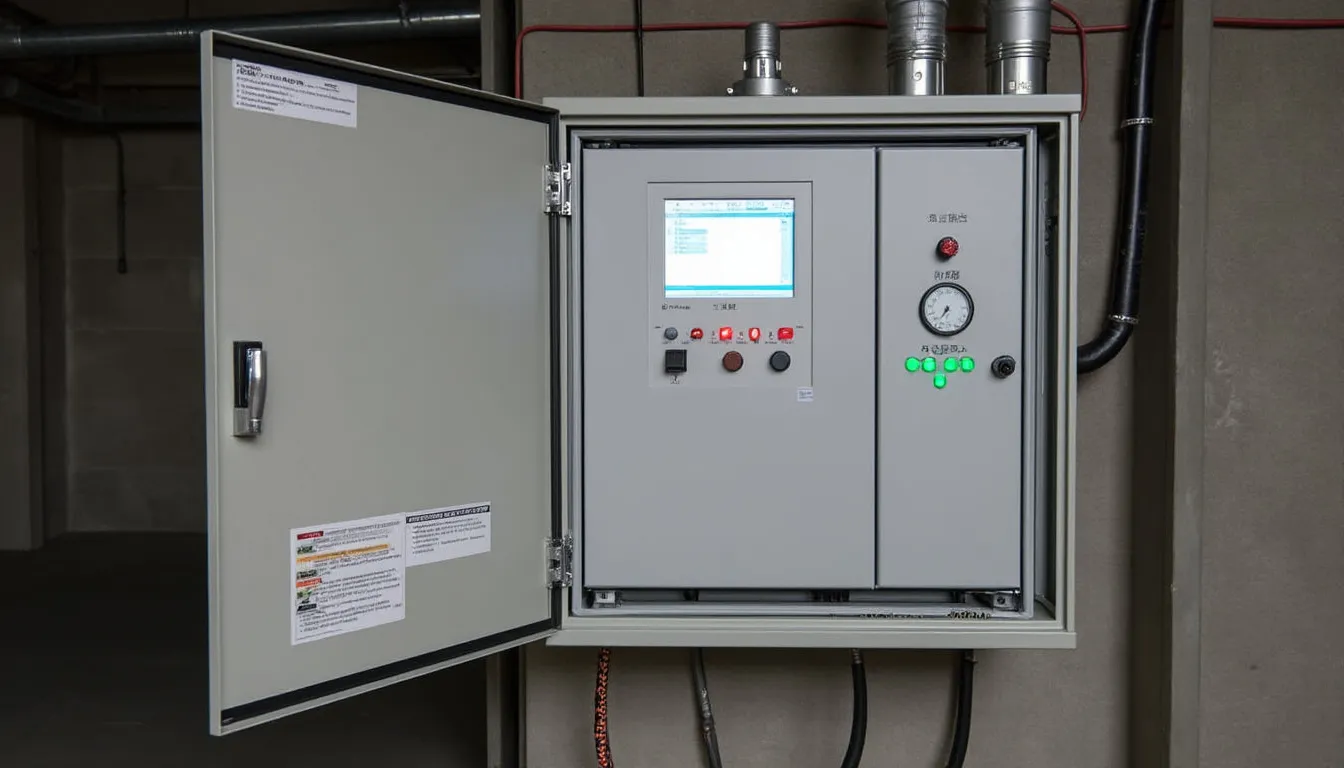
To avoid malfunctions and ensure a secure installation, it is crucial to comply with current standards when installing the electrical connection of an HP. In France, the most important regulation is the NF C 15-100 standard, which governs all low-voltage electrical installations. This standard defines criteria for the design, implementation, and maintenance of electrical installations.
Electrical Connection of Hps and Their Specific Standards
Each type of HP has its own specifications regarding electrical installation. There are several types of connections:
Bi-block HP: These installations require two dedicated electrical lines, one for each unit (indoor and outdoor).
Monobloc HP: One single exterior unit containing all components, connected by a single electrical line.
Geothermal HP: Specific control on the supply based on heat sensors in the ground or air.
Important Recommendations to Follow
When implementing the standards, make sure to comply with the following points:
Limit the starting intensity of motors to avoid excessive disturbances in the electrical network.
Each HP must be protected by a specific differential circuit breaker to ensure the safety of the installations.
For bi-block heat pumps, ensure that each unit has its own electrical circuit.
The Importance of Grounding in the Electrical Connection of the HP
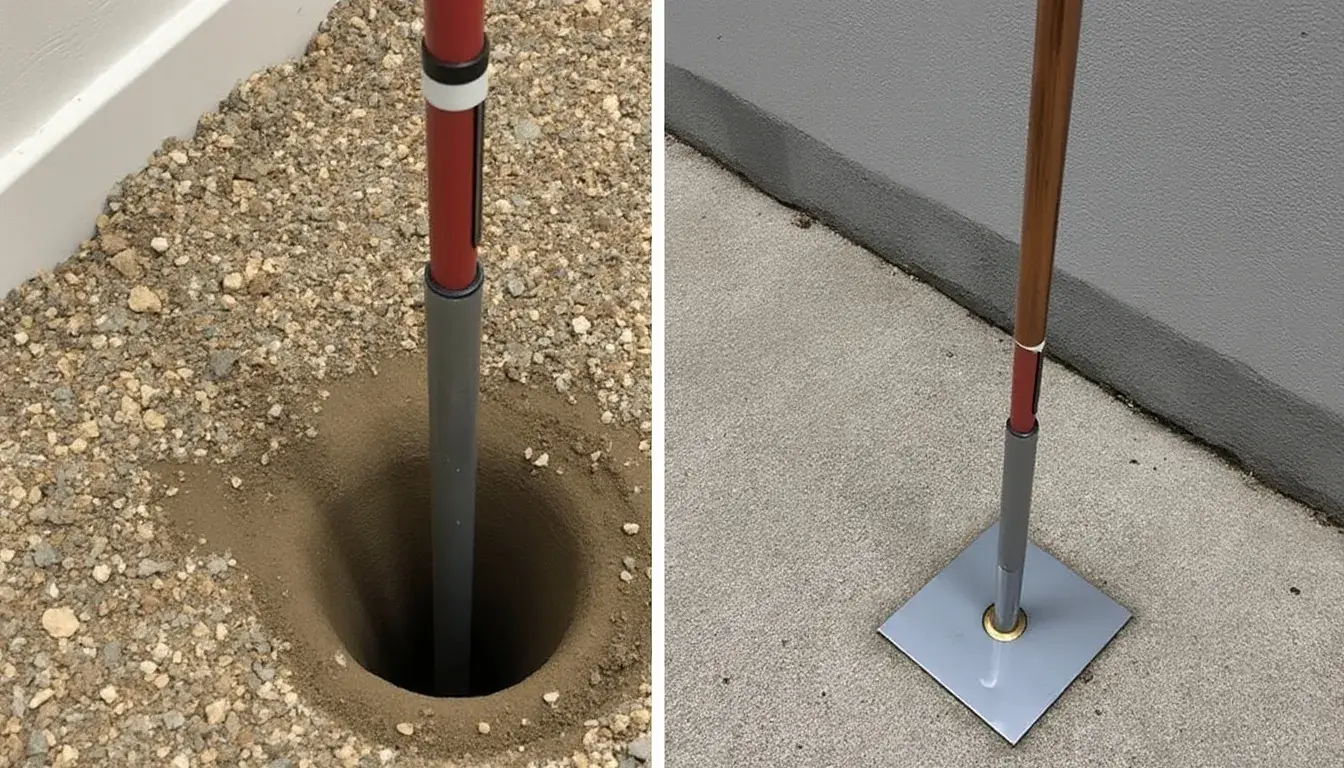
Grounding is an essential component of any electrical installation, particularly when installing a heat pump. It ensures not only the proper functioning of your HP but also the safety of the occupants. Indeed, a correctly performed grounding helps dissipate leakage currents, thus protecting users from the risks of electric shock.
Regulations on Grounding According to NF C 15-100
The NF C 15-100 standard requires that each installation be equipped with effective grounding. This includes:
A return path for the current: Grounding allows excess current to be redirected to the ground.
Safety: Provides assurance against potentially lethal electric shocks.
Prevention: Prevents surges that could damage equipment.
Circuit Breakers and Electrical Protection: Choosing the Right Devices
The choice of the circuit breaker is reinforced by the need to protect the HP as well as the entire electrical circuit. Depending on the power and specificities of your HP, several options are available. It is necessary to carefully study the characteristics of each circuit breaker to ensure current interruption in the event of an incident.
Types of Circuit Breakers
In a suitable electrical panel, you can find different types of circuit breakers:
C curve circuit breaker: Ideal for most domestic applications.
D curve circuit breaker: More suitable for electric motors of HPs that require a significant starting current.
Differential circuit breaker: Must be installed to detect current leaks and protect devices.
Technical Characteristics to Consider
When choosing a circuit breaker, the following aspects should be considered:
Type of Circuit Breaker | Rating | Characteristics |
|---|---|---|
C (standard) | 16A to 32A | For general domestic circuits |
D (high tolerance) | 50A to 63A | For motors requiring high starting currents |
Differential | 30mA to 300mA | Protect sensitive circuits |
FAQ on Electrical Modifications for the Installation of an HP
What are the differences between a single-phase HP and a three-phase HP?
Single-phase Hps are ideal for small homes, while three-phase Hps are better suited for larger houses due to their ability to manage a higher electricity consumption.
Why is it important to comply with the NF C 15-100 standards?
These standards ensure the safety of installations and prevent potential electrical issues, such as short circuits and fire hazards.
Is a professional necessary for the installation of an HP?
Yes, hiring a RGE (Recognized Guarantee of the Environment) professional is essential to ensure a compliant and safe installation that meets the manufacturer's requirements.
What types of circuit breakers are recommended for an HP?
C curve and D curve circuit breakers are recommended, as well as a differential circuit breaker to protect electrical circuits against the risks of short circuits and current leaks.
What financial aid is available for the installation of an HP?
In 2025, financial aid may be available for the installation of Hps, including tax credits and grants. Conduct thorough research to discover the options available in your region.